ECB Expected to Hold Rates in April, Hike Likely in June
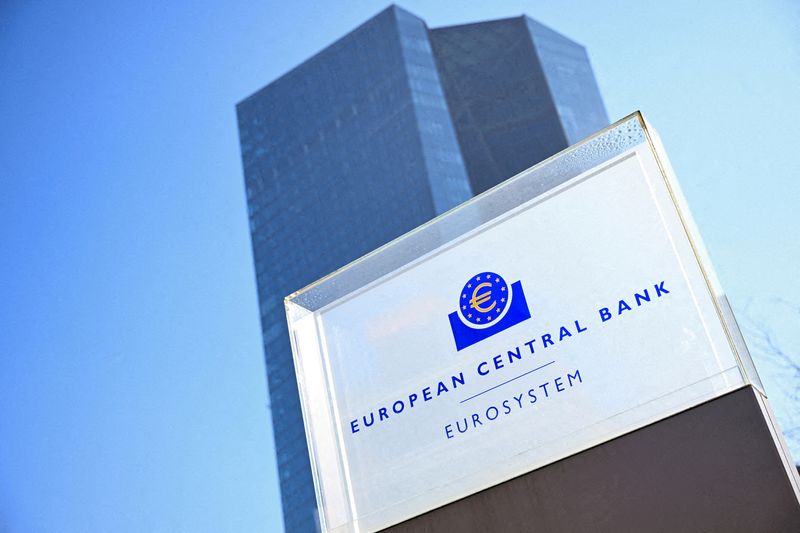
The European Central Bank is widely expected to keep its deposit rate unchanged at its April 30 meeting. However, a majority of economists surveyed by Reuters anticipate a rate increase in June, as policymakers aim to shield the eurozone economy from inflation driven by rising energy costs linked to geopolitical tensions.
War-Driven Inflation Pressures Build
Oil prices have climbed sharply amid ongoing conflict in the Middle East, pushing inflation well above the ECB’s 2% target. This surge has led markets to price in multiple rate hikes this year, while also weighing on business confidence and consumer spending across the eurozone.
Uncertainty Surrounds Policy Path Beyond June
Despite expectations for a June rate hike, economists remain divided on what comes next. The planned increase is largely viewed as a precautionary move, given the uncertainty over whether higher energy prices will trigger broader, long-term inflation across the economy.
ECB Balancing Risks and Past Policy Mistakes
ECB policymakers appear determined to contain inflation but remain cautious about acting too quickly. Officials have pointed out that energy prices are largely outside their control and may not necessarily translate into sustained price increases across other sectors.
The central bank is also mindful of past missteps, including its delayed response to inflation in 2022 and the premature rate hikes in 2011 that worsened the eurozone debt crisis.
Economist Forecasts Highlight Division
Out of 85 economists surveyed, nearly all expect the ECB to hold rates steady in April. Just over half predict a rate hike to 2.25% in June, while a significant portion still expects no changes throughout the year.
Some analysts argue that policymakers need clearer evidence before tightening further, while others believe acting early could help prevent inflation from becoming entrenched.
Growth Outlook and Inflation Projections
Inflation in the eurozone rose to 2.6% last month and is projected to remain above target in the coming quarters, averaging just over 3% before easing slightly.
Meanwhile, economic growth is expected to remain modest, with quarterly expansion of around 0.2% and annual growth of 0.9% in 2026—lower than earlier forecasts. Major economies such as Germany and France are also expected to see slightly weaker growth than previously anticipated.
Oil Prices and Policy Implications
Brent crude has averaged close to $100 per barrel this month, exceeding earlier ECB assumptions. While elevated energy prices continue to fuel inflation risks, some economists believe stable oil levels could allow the ECB to delay further action if inflation expectations remain under control.