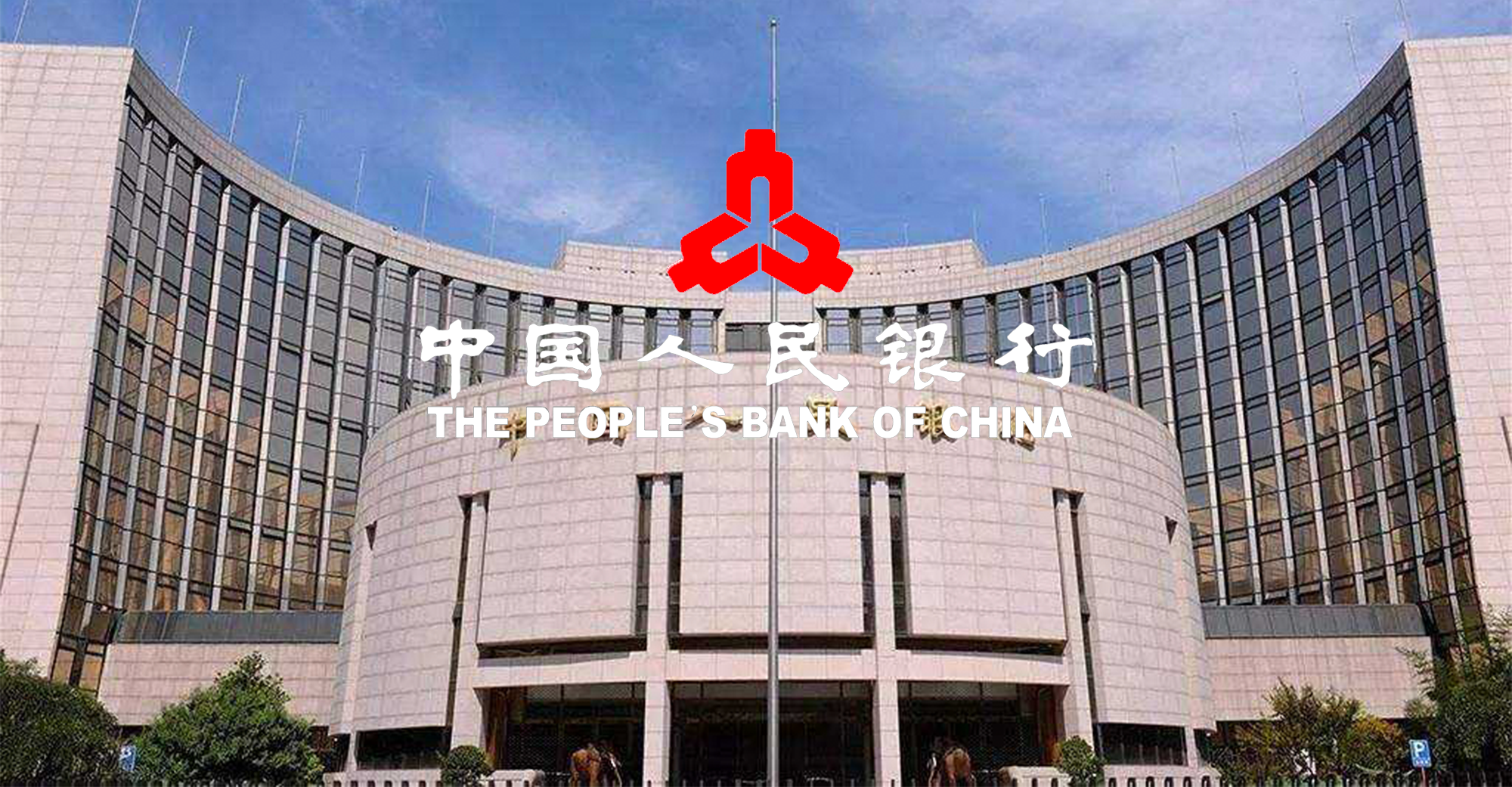
China is widely expected to keep its benchmark lending rates unchanged in September, extending the current policy stance for a 16th consecutive month.
A Reuters survey showed that policymakers are likely to remain cautious about introducing fresh stimulus, especially as major global central banks adopt a more hawkish approach to monetary policy.
China Loan Prime Rates Expected to Stay Steady
China’s Loan Prime Rate (LPR) is the benchmark used by banks when lending to their most creditworthy customers.
The rate is calculated each month after 20 designated commercial banks submit their proposed lending rates to the People’s Bank of China (PBOC).
In a Reuters survey of 21 market participants, all respondents expected both benchmark rates to remain unchanged at the upcoming review.
The one-year LPR is expected to stay at 3.00%, while the five-year LPR is forecast to remain at 3.50%.
The strong consensus suggests that markets see little chance of an immediate policy change.
Hawkish Global Central Banks Limit China’s Policy Flexibility
Expectations for unchanged rates come as several major economies move toward tighter monetary policy to control inflation.
Citi analysts said they expect the PBOC to keep LPRs steady in September due to the increasingly hawkish stance of global central banks.
This global backdrop could make aggressive monetary easing in China more difficult.
A significant gap has also developed between US and Chinese government bond yields.
The yield premium on benchmark 10-year US Treasuries over Chinese government bonds has remained near record highs following the Federal Reserve’s latest interest rate increase.
At the same time, the Chinese yuan has continued to strengthen gradually against the US dollar.
PBOC Signals Slower Credit Growth Could Become Normal
Recent comments from PBOC Governor Pan Gongsheng have also supported expectations for steady interest rates.
Pan said slower loan growth in China could become the new normal.
Demand for credit has weakened as the property sector and local government activity shrink.
Meanwhile, newer and emerging industries have not yet created enough borrowing demand to fully offset the decline.
This structural shift could reduce the need for aggressive interest rate cuts, even as policymakers continue to support economic growth.
China Bank Lending Remains Weak
China’s banking data has also highlighted ongoing weakness in credit demand.
New bank lending returned to positive territory in August after posting a record contraction in July.
However, lending remained well below economists’ expectations.
Weak demand from both households and businesses continues to weigh on overall credit growth.
The slowdown suggests that lower borrowing costs alone may not be enough to generate a strong recovery in lending activity.
China Monetary Policy Outlook Remains Cautious
China’s decision to keep benchmark loan rates steady would underline the PBOC’s cautious approach to monetary policy.
Policymakers must balance weak domestic credit demand with external pressures from higher global interest rates.
Markets will continue to watch the PBOC, Chinese loan growth, the yuan and global bond yields for clues about when Beijing may decide to introduce additional stimulus.