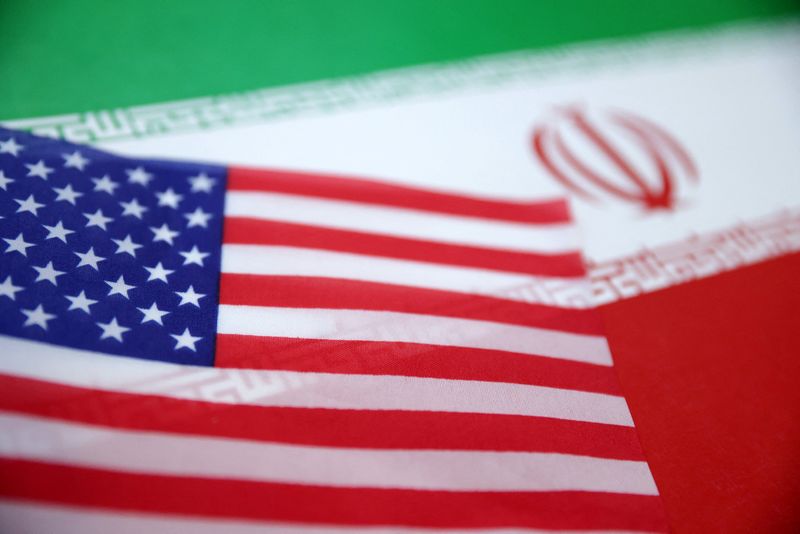
A prolonged “no war, no peace” scenario between the United States and Iran appears increasingly likely after a framework ceasefire agreement expired this week, according to analysts at Wolfe Research.
The firm believes the current stalemate could keep oil prices elevated without necessarily triggering a full-scale economic shock, provided energy flows from the Gulf continue.
Wolfe Sees Middle East Stalemate Becoming Entrenched
In a note to clients, Wolfe Research analysts Tobin Marcus and Chutong Zhu said the conflict appears more entrenched than ever.
The analysts argued that if reports of continued covert oil exports from the Gulf are accurate, current oil prices may remain sustainable.
In that scenario, crude prices could stay high but avoid reaching levels that would create a severe global economic crisis. However, the outlook could change quickly if shipping disruptions worsen or military tensions escalate further.
Strait of Hormuz Remains a Major Risk
The future of the conflict remains highly uncertain, particularly around the Strait of Hormuz.
Recent weeks have been marked by repeated cycles of escalation followed by temporary periods of reduced tension. Neither Washington nor Tehran has been able to reach a lasting agreement.
Iran has reportedly indicated that it intends to adopt a more aggressive military posture.
According to Reuters, a senior Iranian official said authorities should prepare for further escalation in the Strait of Hormuz and across the wider region.
The conflict began after an initial joint military assault by U.S. and Israeli forces in late February.
U.S.-Iran Negotiations Remain Uncertain
U.S. President Donald Trump previously said Washington would not seek an extension of the existing Memorandum of Understanding.
Trump also suggested that U.S. officials had established a back channel with members of Iran’s Islamic Revolutionary Guard Corps.
Iran later denied that such a communication channel existed.
At the same time, tensions have also expanded to Oman, which has been attempting to negotiate its own arrangement with Iran aimed at reopening the Strait of Hormuz.
Both Iran and Oman border the strategically important waterway.
Shipping Disruptions Add Pressure to Oil Markets
Traffic through the Strait of Hormuz has slowed sharply as tanker operators and shipping companies remain concerned about potential attacks.
The United Kingdom Maritime Trade Operations agency reported on Tuesday that a vessel traveling out of the strait had been struck by an unidentified projectile.
The incident reportedly caused damage to the ship’s engine room and resulted in a crew casualty.
Such developments have increased concerns about the security of one of the world’s most important energy shipping routes.
Brent Crude Climbs Above $90
Brent crude futures rose above $90 per barrel as geopolitical tensions intensified.
The increase has renewed concerns that higher energy costs could push inflation higher and complicate monetary policy for major central banks.
Persistently expensive oil could raise transportation, manufacturing and household energy costs, potentially slowing consumer spending and economic growth.
U.S. Treasury yields have also moved higher, adding another potential source of pressure on financial conditions.
Can the U.S. Economy Handle Higher Oil Prices?
Despite the risks, Wolfe Research believes the U.S. economy is capable of absorbing the current increase in energy prices.
The analysts said they are not expecting a diplomatic agreement in the near future. However, they also noted that financial markets have so far avoided some of the more damaging reactions that might normally accompany a major oil shock.
One concern has been that rising energy prices could increase inflation expectations and push bond yields significantly higher.
So far, however, market-based inflation expectations have remained relatively stable.
Shorter-term Treasury yields have also declined since the Federal Reserve’s July policy meeting.
Energy Shock Has Yet to Seriously Pressure Yields
According to Wolfe Research, Iran-related energy disruptions are currently having only a limited impact on U.S. bond yields.
That could be an important signal for the broader economy.
If inflation expectations remain contained and borrowing costs avoid another sharp increase, the United States may be able to withstand elevated oil prices without slipping into a more serious economic downturn.
However, the outlook remains highly dependent on developments in the Middle East.
A significant disruption to oil supplies, further attacks on shipping or a broader military escalation could quickly change the economic picture.
For now, Wolfe Research sees the U.S. economy as resilient enough to manage the current environment, even as uncertainty surrounding Iran, the Strait of Hormuz and global energy markets remains elevated.