Asian currencies strengthened against the US dollar on Thursday as investors reacted positively to the Democratic Party’s victory in both chambers of Congress during the US midterm elections.
The election outcome helped reduce political uncertainty, improving global market sentiment and encouraging demand for risk-sensitive currencies.
The New Zealand dollar led regional gains, while the Chinese yuan stabilized following measures by Beijing to limit its recent appreciation.
Asian Currencies Gain as US Dollar Weakens
The US Dollar Index declined 0.3% to 101.26, reversing part of its recent advance as investors reassessed the political and economic outlook.
The New Zealand dollar gained 0.6% to $0.5651, emerging as the strongest performer among major regional currencies. Meanwhile, the Australian dollar increased 0.2% to $0.7015.
The Japanese yen strengthened 0.3%, bringing the USD/JPY exchange rate to 157.93. Similarly, the Singapore dollar advanced 0.2%, pushing USD/SGD down to 1.2764.
European currencies also benefited from the weaker dollar. The euro climbed 0.3% to $1.1260, while the British pound rose 0.2% to $1.3491.
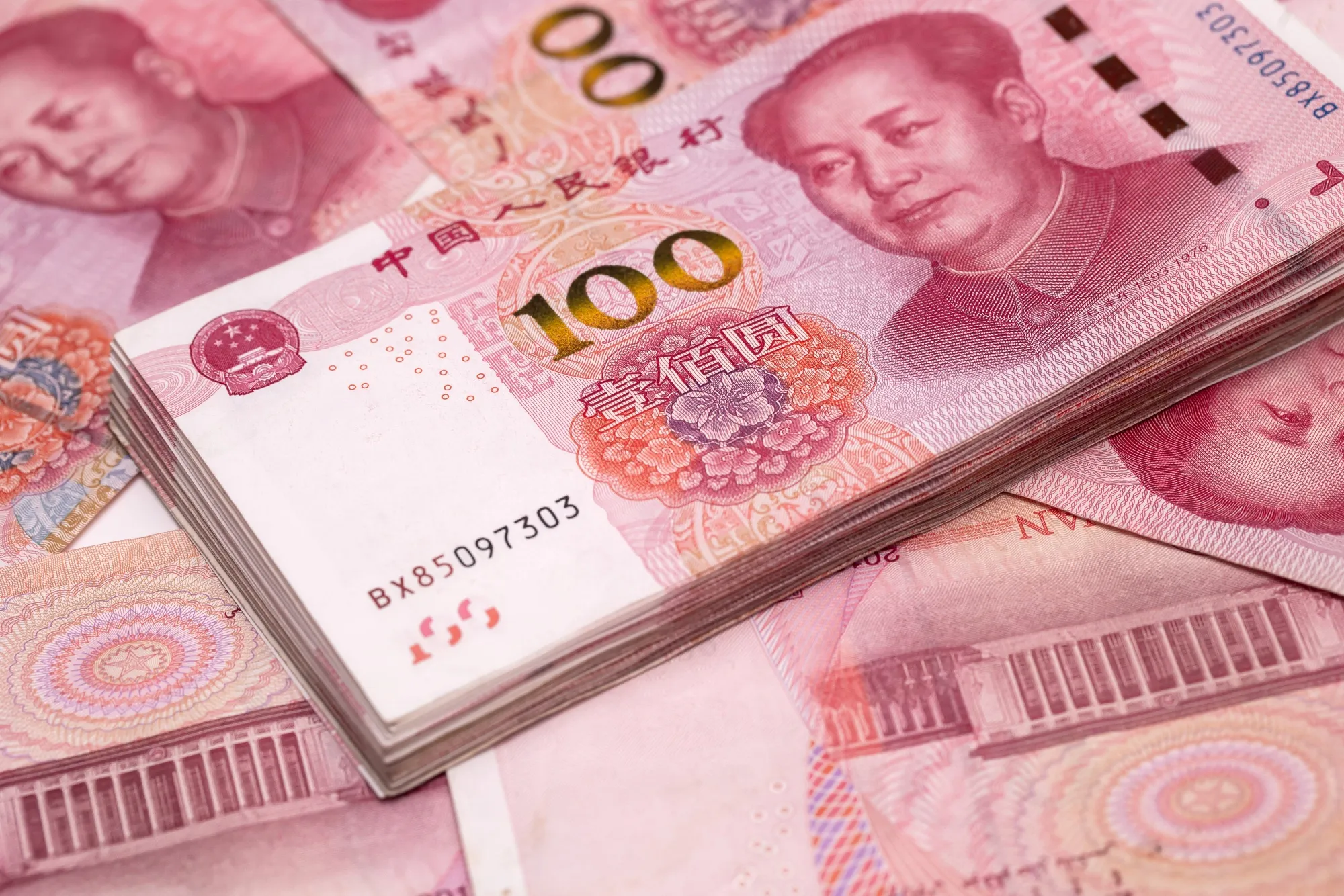
China’s yuan recorded modest gains, with offshore USD/CNH declining 0.1% to 6.6682. The onshore USD/CNY exchange rate slipped 0.04% to 6.6702.
However, not all Asian currencies participated in the rally. The South Korean won and Taiwan dollar weakened slightly, with USD/KRW and USD/TWD both increasing by 0.2%.
US Midterm Election Results Put Pressure on the Dollar
The latest decline followed a period of strength for the US currency.
On Tuesday, the Dollar Index gained 0.3%, marking its largest daily increase since October 1 and approaching its 2026 high reached the previous month.
Several factors supported that earlier rally, including rising US Treasury yields, stronger economic indicators, and renewed investor interest in artificial intelligence stocks.
Furthermore, persistent inflation pressures strengthened expectations that the Federal Reserve could continue raising interest rates.
Recent economic reports showed US factory production expanding at its fastest pace since 2021. Job openings also increased by 333,000 to 7.523 million, indicating continued resilience in the labor market.
Nevertheless, the Democratic Party’s control of both the House of Representatives and the Senate helped ease concerns about a disputed election outcome.
Consequently, global equities and US Treasury markets benefited from improving investor confidence, while the dollar faced renewed selling pressure.
Federal Reserve Rate Expectations Remain Elevated
Despite the dollar’s retreat, financial markets continue to anticipate additional monetary tightening by the Federal Reserve.
According to market pricing, the probability of at least a 25-basis-point interest rate increase in December climbed to 81.2%, compared with 77.4% previously.
Meanwhile, October private-sector employment increased by 86,000 jobs, exceeding economists’ expectations for a gain of 69,000.
The stronger-than-expected figures reinforced expectations that the US economy remains resilient despite elevated borrowing costs.
Investors are now awaiting Friday’s official employment report, which could provide further guidance on the Federal Reserve’s next policy decision.
Oil Prices and Geopolitical Risks Influence Currency Markets
Energy markets remain another important factor influencing the US dollar and Asian currencies.
Oil prices traded near $103.85 per barrel after declining approximately 1% on Tuesday to their lowest level in almost four weeks.
Investors are monitoring diplomatic efforts aimed at resolving conflicts involving Iran and Ukraine.
Although progress toward potential agreements could reduce geopolitical risk premiums, renewed military activity may threaten energy supplies and trigger additional price volatility.
Changes in oil prices can significantly affect inflation expectations, economic growth, and monetary policy decisions across major economies.
As a result, currency traders remain sensitive to developments in global energy markets.
New Zealand Dollar Rebounds Despite Weak Labor Market
The New Zealand dollar recorded the strongest advance among regional currencies, rising 0.6% despite ongoing challenges in the domestic economy.
The currency remains approximately 11% below its level at the end of the COVID-19 pandemic, making it the second-weakest performer among Group of 10 currencies after the Japanese yen.
New Zealand’s unemployment rate reached 5.7% in the third quarter, its highest level since 2015. Employment also contracted by 0.1%, highlighting continued labor market weakness.
Additionally, the New Zealand dollar recently reached a record low against the offshore Chinese yuan and its weakest level against the Australian dollar in nearly 14 years.
These currency declines have increased import expenses and added pressure to household living costs.
Nevertheless, the broader retreat in the US dollar provided temporary support for the kiwi.
Japanese Yen and British Pound Benefit From Rate Expectations
The Japanese yen also strengthened as investors assessed the Bank of Japan’s latest monetary policy signals.
Minutes from the central bank’s September meeting revealed that Japanese interest rates had reached 1.25%, their highest level in 31 years.
One policymaker also indicated that additional rate increases could occur more quickly than previously anticipated.
Meanwhile, the British pound remained close to $1.3503, its highest level in seven weeks.
Sterling was heading toward its sixth consecutive daily advance, potentially marking its longest winning streak since an eight-session rally that ended on July 6.
Investors were also preparing for an anticipated Bank of England interest rate increase on Thursday, which would represent the central bank’s first hike since August 2023.
Australian Dollar Supported by Trade Surplus and RBA Policy
The Australian dollar received additional support from stronger trade figures and the Reserve Bank of Australia’s monetary policy stance.
Australia’s September trade surplus expanded significantly to A$2.83 billion, compared with just A$184 million previously.
The result was nearly three times larger than economists had anticipated, providing a positive signal for the country’s external trade position.
Furthermore, the Reserve Bank of Australia recently increased its benchmark interest rate to 4.85%, the highest level in 18 years.
However, the divided policy vote raised questions about whether Australia’s monetary tightening cycle may be nearing completion.
This uncertainty could influence the Australian dollar’s performance in the coming months.
Chinese Yuan Stabilizes Following PBOC Intervention
China’s yuan stabilized after authorities introduced measures aimed at slowing the currency’s recent appreciation.
The People’s Bank of China increased foreign-exchange reserve requirements from 4% to 6%, with the adjustment scheduled to take effect on November 15.
The decision followed a 13-session winning streak for the yuan, which had strengthened significantly against the US dollar.
Despite the interruption, the Chinese currency remains more than 4% higher for the year.
The central bank’s intervention highlights Beijing’s efforts to manage exchange-rate volatility and prevent excessive currency appreciation.
Market participants will continue monitoring China’s monetary policy decisions for indications of future currency movements.
Asian Currency Outlook: Key Economic Events Ahead
Looking ahead, Asian currency markets face several important economic releases and central bank decisions.
Thursday’s calendar includes Indonesia’s third-quarter GDP figures, inflation reports from Taiwan and Thailand, and Singapore’s latest retail sales data.
Additionally, Bank Negara Malaysia is scheduled to announce its monetary policy decision.
These developments could influence regional currency performance as investors evaluate economic growth, inflation trends, and interest rate expectations.
For now, the weaker US dollar and improved global risk sentiment are supporting most Asian currencies.
However, Federal Reserve policy expectations, geopolitical tensions, and upcoming economic indicators could determine whether the rally continues.