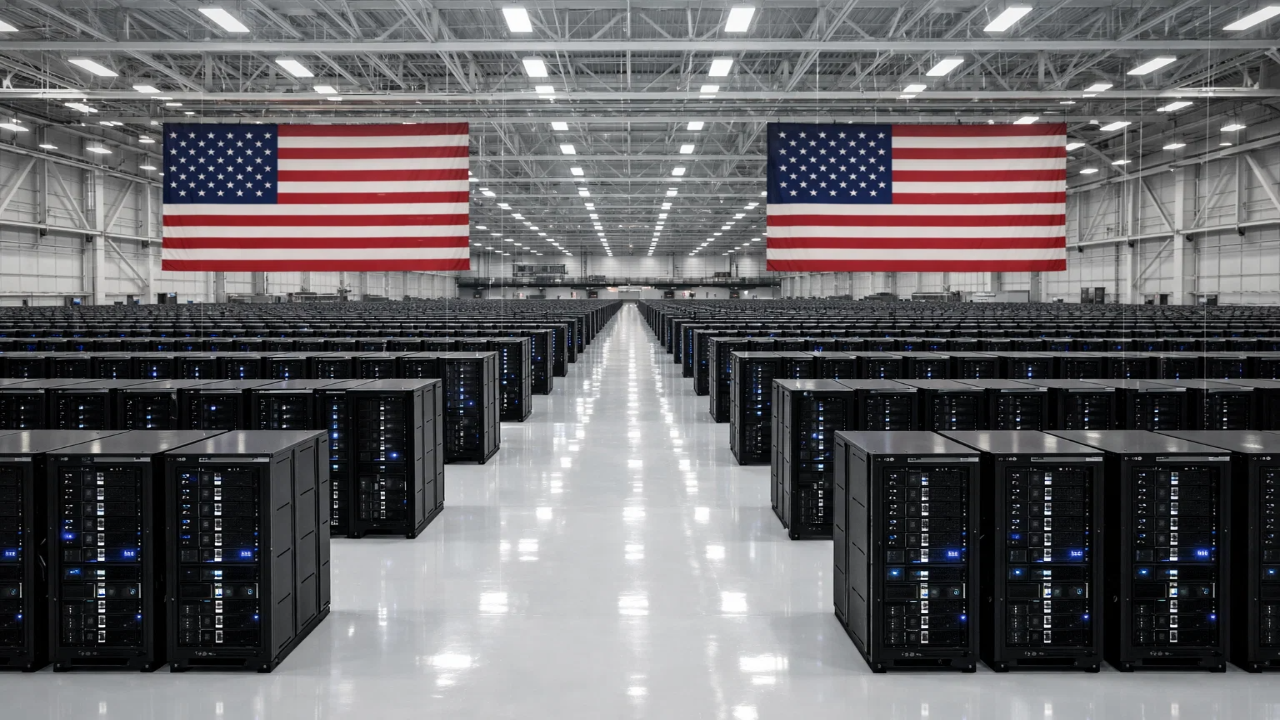
AI data center stocks came under selling pressure on Wednesday after Democrats secured control of both chambers of Congress in the US midterm elections. The results raised investor concerns about stricter artificial intelligence regulations, potential changes to technology tax incentives, and increased antitrust scrutiny.
The political shift could create new obstacles for companies investing heavily in AI infrastructure, particularly those developing large-scale data centers across the United States.
AI Data Center Stocks Fall Following Democratic Election Victory
Shares of several AI infrastructure companies declined as investors assessed the potential consequences of tighter government oversight.
CoreWeave, a major provider of cloud computing infrastructure for artificial intelligence, fell as much as 3.2% in premarket trading. Applied Digital dropped approximately 3%, while Nebius declined 1.3%.
These companies belong to the rapidly expanding AI cloud infrastructure industry, which has attracted substantial investment amid growing demand for advanced computing capacity.
However, investors now fear that additional regulatory requirements could increase development costs and delay new projects.
Wall Street Analysts Warn of Growing Regulatory Risks
Evercore ISI analysts, led by Amit Daryanani, warned that a more restrictive environment for data center development could negatively affect investor sentiment toward AI infrastructure companies.
Several newly elected Democratic governors have already expressed support for stronger oversight of artificial intelligence and related infrastructure projects.
According to the analysts, investors may initially reduce their exposure to AI-related stocks as they evaluate the election results.
Nevertheless, the longer-term impact remains uncertain. Inflation trends, Treasury yields, and underlying business fundamentals could eventually offset some of the immediate political concerns.
Oracle Shares Decline After Recent Market Rally
Oracle also experienced selling pressure following the election.
The technology company’s shares fell approximately 1.2% in premarket trading, giving back part of the 5.85% gain recorded during Tuesday’s session.
The decline followed Oracle’s recent announcement of a combined $20 billion stock and debt offering.
As a major participant in the AI infrastructure market, Oracle remains exposed to changes in data center investment, financing conditions, and government policy.
Democratic Gains in Texas and Georgia Raise Concerns
The Democratic Party’s victories in both the Senate and House of Representatives marked a significant political setback for President Donald Trump and the Republican Party.
Democrats also achieved important victories in traditionally Republican-leaning states, including Texas and Kansas.
The results could complicate the administration’s legislative agenda and increase political scrutiny of the technology industry during the remainder of Trump’s presidency.
Texas and Georgia are particularly important to the AI infrastructure market. Together, the two states account for approximately one-third of US AI data center spending and development projects.
Democratic victories in both states’ gubernatorial elections have therefore intensified concerns about possible restrictions on future data center construction.
AI Infrastructure Expansion Already Faces Major Obstacles
The election-related uncertainty comes at a time when the US data center industry is already facing increasing opposition from local communities.
According to Data Center Watch, at least 45 data center projects valued at approximately $68 billion encountered disruptions during the second quarter of 2026.
Local resistance has centered on issues such as electricity demand, infrastructure costs, environmental concerns, and the impact of large facilities on surrounding communities.
These challenges could become more significant if federal and state authorities introduce additional requirements for AI infrastructure development.
AI Stocks Were Under Pressure Before the Midterm Elections
The latest selloff follows a broader deterioration in AI-related equities.
Goldman Sachs’ Broad AI basket reportedly declined 15% in October and had fallen more than 24% from its previous peak heading into Wednesday’s trading session.
The weakness suggests that concerns about elevated valuations, substantial capital spending, and uncertain investment returns were already weighing on the sector before the election.
Additional political uncertainty could further complicate the outlook for companies relying on aggressive expansion and continued investor financing.
What Democratic Control of Congress Means for AI Stocks
Despite the election results, major changes to federal technology legislation are not guaranteed.
Any new law approved by the Democratic-controlled Congress would still require President Trump’s signature, unless lawmakers secured sufficient support to override a presidential veto.
This limitation could reduce the immediate risk of sweeping legislative changes affecting the AI industry.
However, congressional investigations, state-level regulations, and greater scrutiny of data center development could still influence investment decisions.
Even without major legislative reforms, uncertainty surrounding future rules may encourage companies to reconsider expansion plans or delay capital commitments.
For investors, the central question is whether the political changes will materially affect AI infrastructure growth or simply create temporary market volatility.
The answer could prove important for CoreWeave, Applied Digital, Nebius, Oracle, and other companies positioned to benefit from the ongoing artificial intelligence investment boom.