Oil prices declined for a sixth consecutive session on Wednesday as investors reacted to signs of diplomatic progress between the United States and Iran.
Sentiment was also pressured by improving prospects for Middle Eastern crude supplies as Saudi Arabia moved to restore a major export route.
Brent crude futures for November delivery fell around 0.7% to $98.58 per barrel, while West Texas Intermediate crude slipped roughly 1.3% to $89.38 per barrel.
Both benchmarks had already fallen by more than 1% during the previous session.
Brent Crude Falls Below $100
Brent crude settled below the $100-per-barrel level on Tuesday for the first time since September 8.
The decline reflects easing concerns over supply disruptions in the Middle East, which had previously pushed energy prices sharply higher.
Oil traders are now paying close attention to diplomatic developments between Washington and Tehran.
Any progress toward reducing tensions could improve expectations for regional oil flows and put additional downward pressure on crude prices.
Trump Signals Progress in U.S.-Iran Talks
U.S. President Donald Trump said on Tuesday that American officials had held what he described as a productive, three-hour meeting with Iranian representatives in New York.
Although Trump also used strong language regarding the conflict, his comments increased expectations that diplomatic negotiations could eventually lead to de-escalation.
The meeting represented the first known direct contact between U.S. and Iranian officials since June.
Trump said special envoys Steve Witkoff and Jared Kushner participated in the discussions.
Strait of Hormuz Remains Crucial for Oil Markets
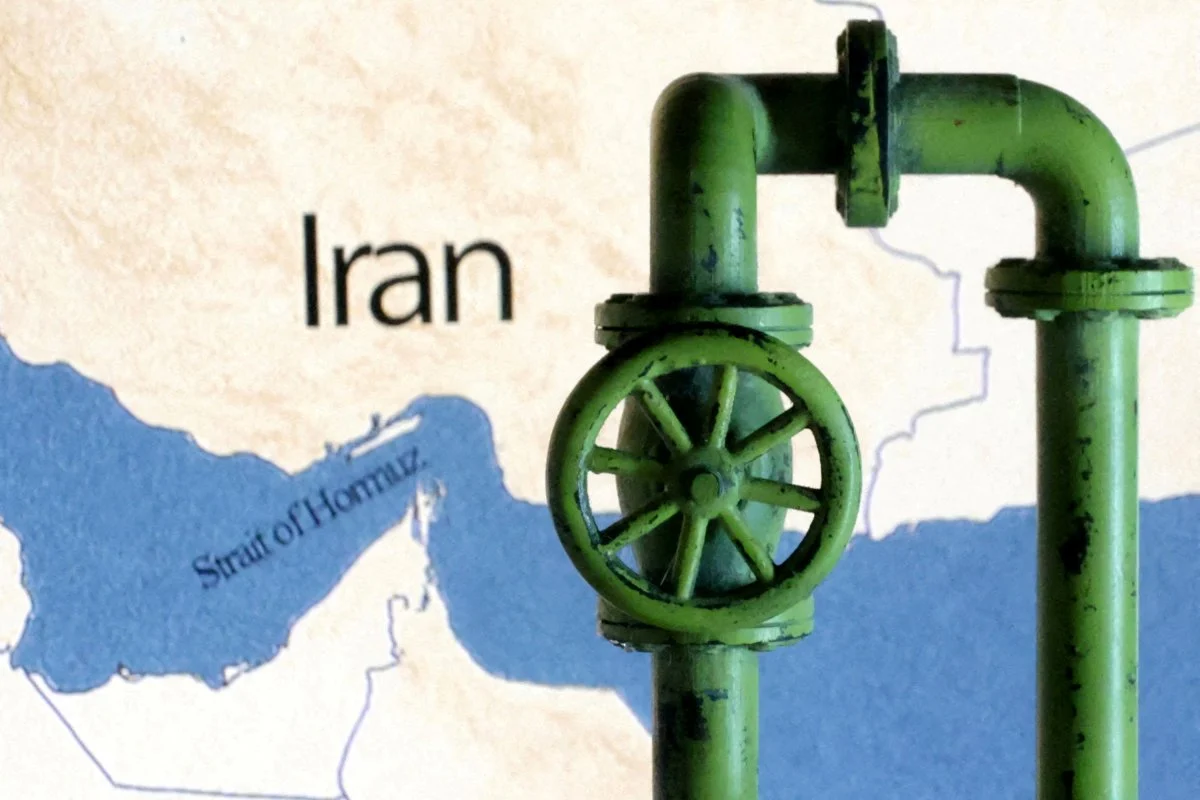
The Strait of Hormuz remains one of the most important factors influencing global oil prices.
Iran has reportedly indicated that it could reopen the strategic waterway if the United States eases military pressure and removes its blockade of Iranian ports.
However, no firm agreement has yet been confirmed.
Before the conflict, the Strait of Hormuz handled roughly one-fifth of global oil and liquefied natural gas supplies.
That makes any disruption to shipping through the region highly significant for international energy markets.
Tanker Traffic Shows Signs of Improvement
Recent tanker movements suggest that energy flows through the region have started to recover.
However, shipping risks remain elevated as geopolitical uncertainty continues.
A sustained improvement in tanker traffic could ease concerns over supply shortages and further reduce the geopolitical risk premium built into oil prices.
Traders will therefore continue monitoring developments around the Strait of Hormuz closely.
Saudi Arabia Restarts Key Oil Pipeline
Saudi Arabia has also restarted operations along its East-West pipeline, according to reports.
The pipeline allows Saudi crude to reach the Red Sea port of Yanbu without passing through the Strait of Hormuz.
This makes the route strategically important during periods of heightened tension in the Gulf.
The pipeline had been shut following a drone attack earlier this month.
Saudi Pipeline Could Ease Supply Concerns
The East-West pipeline has a total capacity of around 7 million barrels per day.
However, damage to pumping stations means it may take between six and eight weeks before the network can return to full operating capacity.
Even a partial restoration could provide oil markets with an alternative export route and reduce dependence on the Strait of Hormuz.
That development has helped ease concerns over potential supply disruptions.
For now, oil prices remain under pressure as investors balance improving diplomatic signals, recovering transport routes and continuing geopolitical risks across the Middle East.
Further progress in U.S.-Iran negotiations or stronger crude flows from Saudi Arabia could remain important drivers for Brent and WTI prices in the coming sessions.