Dollar Holds Near Two-Month High as Iran Tensions and Fed Outlook Dominate Markets
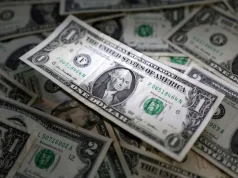
The U.S. dollar remained broadly stable on Thursday as investors assessed the impact of escalating tensions between the United States and Iran, alongside stronger-than-expected U.S. inflation data that could influence future Federal Reserve policy decisions.
The U.S. Dollar Index hovered near the 100 level, maintaining gains close to a two-month high as traders remained cautious amid rising geopolitical risks and growing expectations of tighter monetary policy.
US-Iran Escalation Supports Safe-Haven Demand
Market sentiment remained fragile after U.S. forces carried out additional strikes on Iranian targets overnight. President Donald Trump also warned that further military action could follow if Iran failed to reach an agreement with Washington.
Iran responded by launching attacks on U.S. military facilities in Kuwait and Bahrain. The country also announced a suspension of vessel traffic through the Strait of Hormuz, one of the world’s most important routes for global energy shipments.
The latest escalation fueled a rise in oil prices and increased demand for safe-haven assets, helping support the U.S. dollar while keeping currency markets on edge.
Strong US Inflation Data Reinforces Fed Expectations
Fresh economic data released on Wednesday showed that U.S. consumer inflation accelerated in May, strengthening expectations that the Federal Reserve may maintain higher interest rates for longer than previously anticipated.
Headline inflation recorded its fastest annual increase in more than three years, largely driven by rising energy prices linked to the worsening Middle East conflict.
However, core inflation, which excludes volatile food and energy prices, increased by a more modest 0.2% after rising 0.4% in April.
Analysts at ING noted that while higher gasoline prices and airline fares boosted headline inflation, underlying inflation pressures were softer than expected.
They also suggested that inflation could ease in June if gasoline prices retreat, although energy market volatility continues to pose a significant risk.
Markets Price In Potential Fed Rate Hike
Following the inflation report, investors increased their expectations that the Federal Reserve could deliver at least one additional interest rate hike before the end of the year.
Market participants are now closely watching upcoming U.S. producer price data and weekly jobless claims figures for further clues regarding inflation trends and the future path of Federal Reserve policy.
Focus Shifts to Bank of Japan Meeting
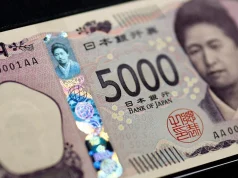
In Asia, the Japanese yen remained relatively stable, with the USD/JPY pair trading near 160.52 and holding above the key 160 level that previously triggered intervention by Japanese authorities in April.
Attention is now turning to next week’s Bank of Japan policy meeting, where investors widely expect policymakers to raise interest rates to 1.0% as inflation continues to exceed the central bank’s target.
The Bank of Japan also announced that Governor Kazuo Ueda has been hospitalized for medical treatment and will be unable to attend the June 15-16 meeting.
Meanwhile, China’s yuan remained largely unchanged against the U.S. dollar as traders awaited further economic and policy developments across the region.