Dollar Weakens as U.S.–Iran Tensions Persist
The U.S. dollar edged lower on Monday as investors continued to assess the ongoing deadlock between the United States and Iran, a situation that has disrupted global oil supply and weighed on market sentiment.
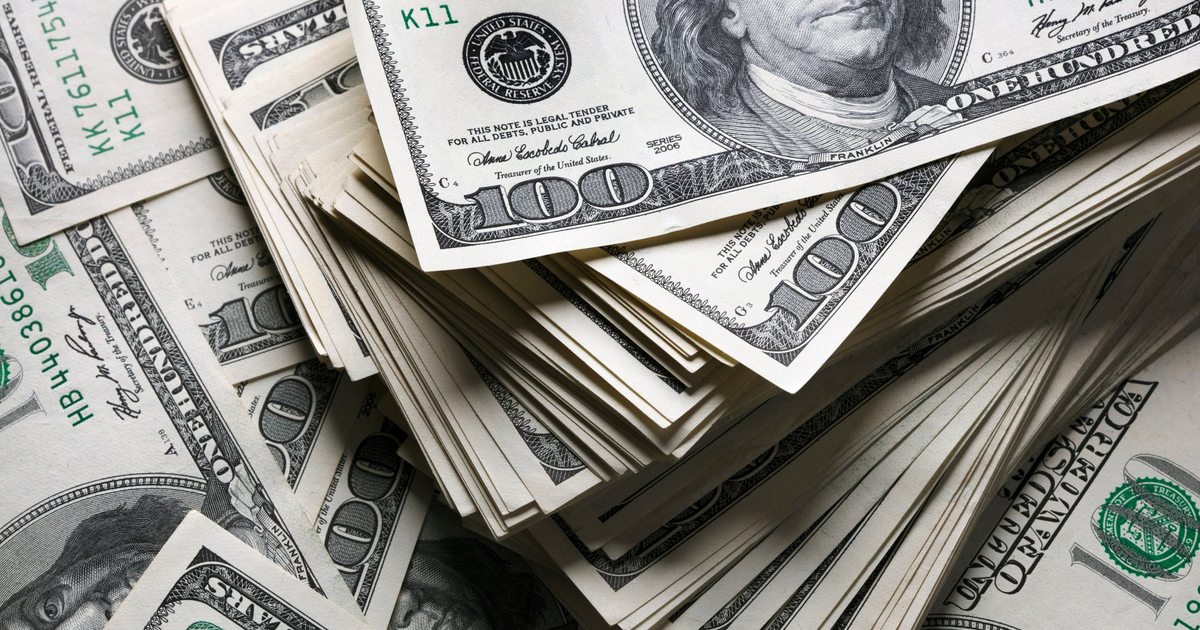
As of 07:33 ET (11:33 GMT), the U.S. Dollar Index—measuring the greenback against a basket of major currencies—declined by 0.2% to 98.31. Meanwhile, the euro gained 0.2% to reach $1.1742, and the British pound also rose 0.2% to $1.3558.
Safe Haven Demand Previously Supported the Dollar
Despite the current dip, the dollar posted gains last week, supported by safe haven demand amid escalating tensions in the Middle East. Investors have viewed the U.S. economy as relatively resilient, particularly because of its role as a major energy exporter, which could help offset disruptions in oil flows through the Strait of Hormuz.
Iran Signals Possible De-Escalation
Recent reports indicate that Iran may be willing to ease its effective blockade of the Strait of Hormuz, although it has not addressed concerns surrounding its nuclear program. According to regional officials cited in media coverage, Iran is also seeking the removal of U.S. restrictions on its ports.
The proposal was reportedly conveyed to Washington through Pakistan, which has often acted as a mediator between the two nations during periods of heightened conflict. However, it remains unclear whether the offer will be accepted.
U.S. President Donald Trump stated on Sunday that Iran could initiate contact if it seeks to end the prolonged conflict, emphasizing that the United States maintains a strong negotiating position.
Markets Watch for Signs of a Ceasefire
Analysts noted that recent developments have raised cautious optimism about a potential diplomatic resolution. Reports over the weekend suggested that Iran may be open to extending a ceasefire, which could pave the way for broader negotiations and help stabilize the region.
Federal Reserve Decision in Focus
Alongside geopolitical developments, market participants are closely monitoring the upcoming Federal Reserve policy meeting. The central bank is widely expected to keep interest rates unchanged, as uncertainty tied to the Iran situation continues to influence the economic outlook.
This meeting could also mark the final one chaired by Jerome Powell. Reports suggest that U.S. lawmakers may move forward with the confirmation process of Fed Chair nominee Kevin Warsh after a recent investigation into Powell was dropped.
Warsh has indicated that he has not committed to lowering interest rates if appointed and is generally perceived as less dovish than market expectations.
Global Central Banks May Limit Dollar Gains
Analysts believe that any upward movement in the dollar could be restrained by other major central bank decisions scheduled this week, including those from the European Central Bank, Bank of England, and Bank of Japan.
Policymakers are expected to maintain a firm stance, which may help stabilize currency markets and prevent excessive volatility in the dollar.