Dollar Wavers as Markets Monitor US–Iran Talks
The U.S. dollar traded unevenly on Monday as uncertainty around negotiations between the United States and Iran kept investors cautious. Market sentiment remains fragile as traders weigh the likelihood of a resolution to the ongoing Middle East conflict.
At the same time, attention is shifting toward a series of key central bank meetings this week, which are expected to provide guidance on how policymakers view the economic impact of the crisis.
Diplomatic Uncertainty Keeps Markets on Edge
Donald Trump canceled a planned diplomatic visit to Islamabad over the weekend, signaling that Iran would need to initiate further discussions if it wants to move toward ending the conflict.
However, sentiment improved slightly after reports suggested Iran had submitted a new proposal through mediators in Pakistan. The proposal reportedly includes reopening the Strait of Hormuz, while delaying negotiations over its nuclear program.
Currency Markets Show Limited Movement
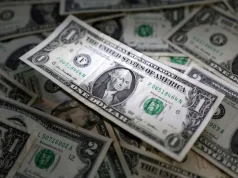
In currency trading, the euro recovered earlier losses to trade near $1.17, while the British pound also stabilized around $1.35. The dollar index slipped slightly, reflecting cautious positioning by investors.
The dollar had previously strengthened on safe-haven demand when the conflict escalated but gave back much of those gains as hopes for a peace deal emerged. In recent days, the currency has stabilized as negotiations lost momentum.
Markets May Be Overestimating Peace Prospects
Analysts have raised concerns that markets may be overly optimistic about a potential resolution.
According to market observers, current pricing suggests investors are expecting a peaceful outcome. However, if negotiations fail, markets could react sharply, leading to increased volatility.
Oil Prices Surge Amid Ongoing Disruptions
Despite a ceasefire reducing large-scale fighting, no formal agreement has been reached to end the conflict. As a result, shipping activity through the Strait of Hormuz remains severely restricted.
This disruption has driven oil prices higher, raising concerns about inflation and global economic growth. Brent crude rose to around $107 per barrel, while U.S. crude climbed to approximately $95.
Inflation Risks and Stagflation Concerns
The surge in energy prices has increased fears of stagflation, where rising inflation coincides with slowing economic growth. Economists warn that if the situation persists, it could evolve into a more severe scenario similar to past global energy crises.
Central Bank Meetings in Focus
Investors are closely watching upcoming policy decisions from major central banks, including the Bank of Japan, the Federal Reserve, the European Central Bank, and the Bank of England.
These institutions are widely expected to keep interest rates unchanged but will provide important signals on future policy direction.
Yen Stability and BOJ Outlook
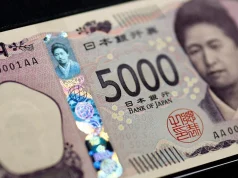
The Japanese yen remained stable near the 160 level against the dollar, a threshold that has previously triggered intervention by Japanese authorities.
Markets expect the Bank of Japan to hold rates steady in the near term, while signaling a potential return to tightening if inflation pressures persist. Analysts suggest that any future rate hikes will depend heavily on geopolitical developments and stability in global energy markets.