U.S. Dollar Gains as Geopolitical Tensions Persist
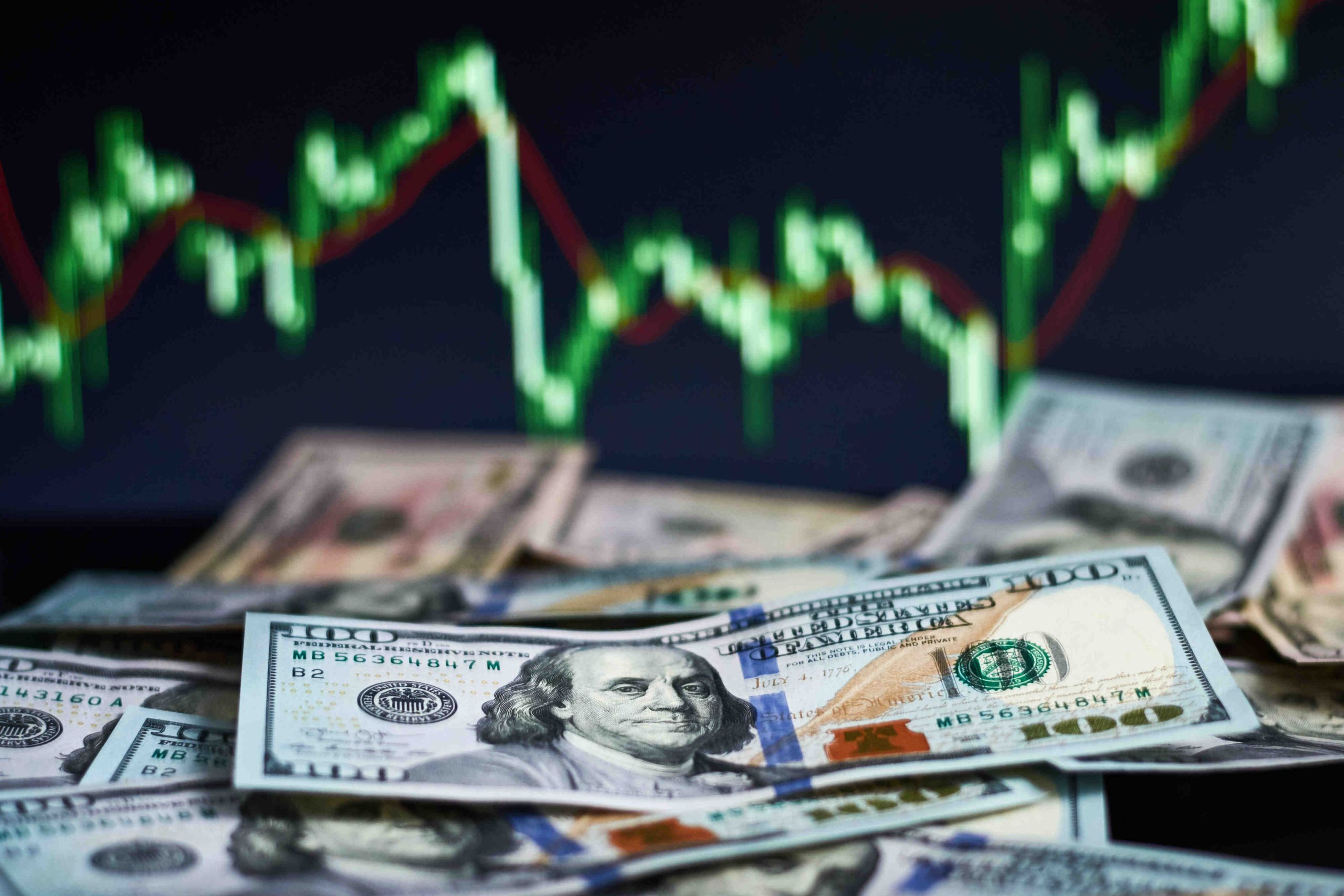
The U.S. dollar is on track to post its first weekly gain in three weeks, supported by ongoing tensions between the United States and Iran. The geopolitical standoff has reinforced safe-haven demand for the greenback, as investors seek stability amid uncertainty.
By 08:43 ET (12:43 GMT), the U.S. Dollar Index slipped slightly by 0.1% to 98.65. Meanwhile, the euro strengthened 0.2% to $1.1704, and the British pound edged up 0.1% to $1.3489.
Weekly Performance and Safe-Haven Demand
Despite minor intraday weakness, the dollar has risen approximately 0.6% over the past week. Investors continue to view the U.S. currency as a relative safe haven, partly due to the country’s position as a major energy exporter.
This status could help shield the U.S. economy from potential energy shocks, especially if disruptions intensify around the Strait of Hormuz.
Ongoing U.S.-Iran Tensions Weigh on Markets
Markets remain cautious as a quick resolution to the U.S.-Iran conflict appears unlikely. Although the U.S. has extended a ceasefire arrangement, tensions persist. Tehran has continued targeting vessels in the region, while Washington has taken action against ships attempting to bypass its naval presence.
Pakistan has stepped in as a mediator, with reports suggesting that Iran’s Foreign Minister, Abbas Araghchi, is expected to visit Islamabad with a delegation to support ongoing diplomatic efforts.
Diplomatic Efforts and Global Reactions
According to The Associated Press, the visit could take place as early as Friday. Pakistan’s involvement highlights broader international efforts to de-escalate tensions and stabilize markets.
At the same time, Donald Trump indicated that there is no urgency to conclude the conflict, even as a separate ceasefire between Israel and Lebanon has been extended by three weeks.
Asian Currencies Weaken as Yen Falls
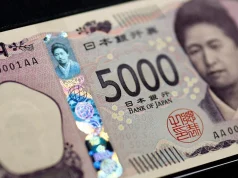
In currency markets, most Asian currencies moved lower. The Japanese yen, in particular, declined despite new data showing stronger-than-expected inflation in March.
However, market participants remain unconvinced that the Bank of Japan will proceed with an interest rate hike at its upcoming meeting, limiting support for the currency.