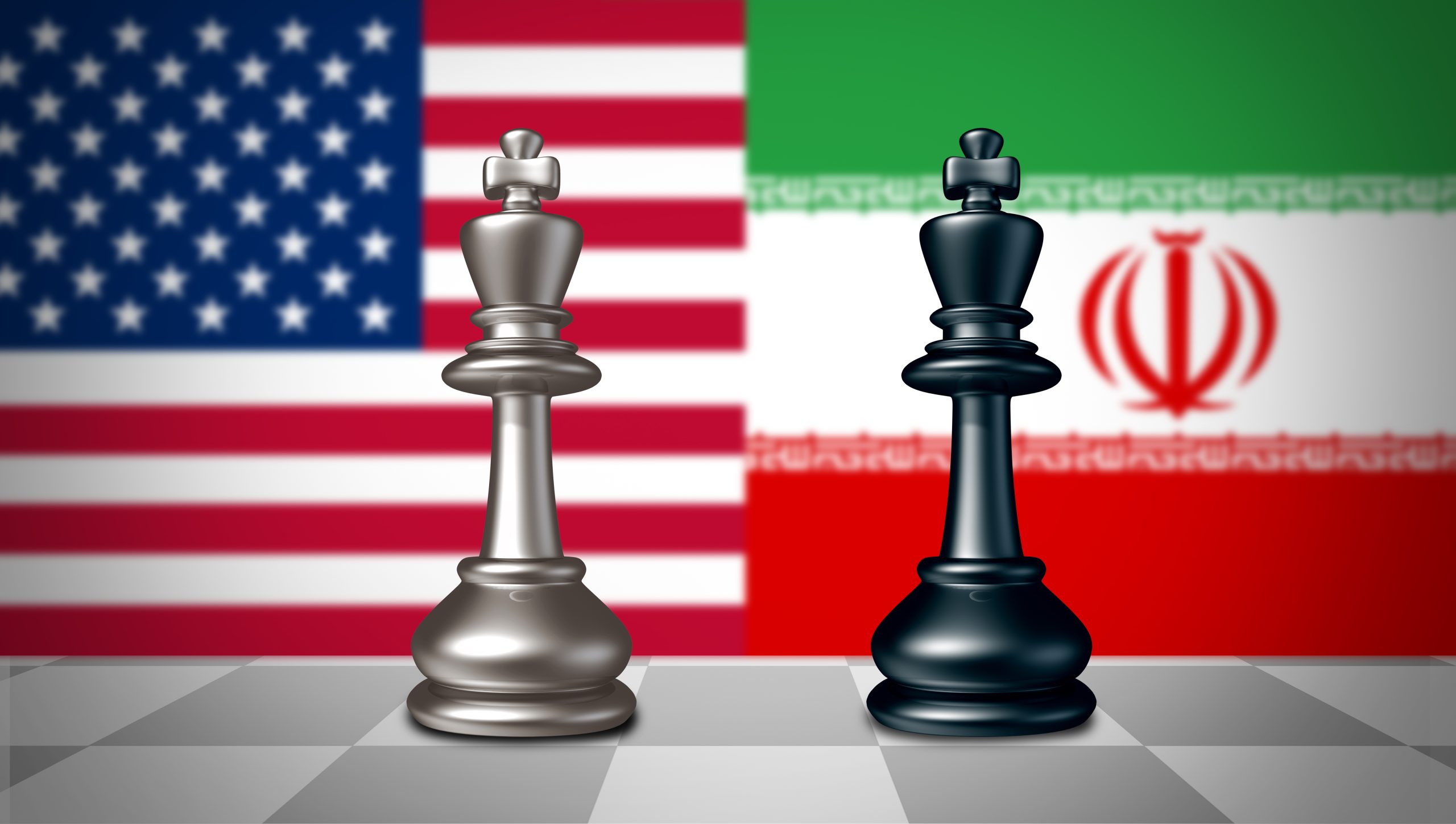
Iran Proposes Hormuz Reopening Amid Diplomatic Deadlock
Iran has reportedly offered to lift its effective closure of the Strait of Hormuz without addressing its nuclear program, following the collapse of planned weekend talks with the United States. At the same time, Donald Trump is expected to meet with national security officials to evaluate the next steps in the ongoing diplomatic impasse.
Proposal Includes Conditions on U.S. Blockade
According to reports citing regional officials, Iran is also seeking the removal of U.S. restrictions on its ports. The proposal was reportedly delivered to Washington through Pakistan, which has frequently acted as a mediator between the two sides during the conflict.
Despite the outreach, it remains unclear whether the United States will accept the proposal.
Trump to Review Strategy with Security Team
Separate reports indicate that President Trump will hold discussions with senior security advisers to determine how to proceed. These talks are expected to cover potential diplomatic paths as well as the possibility of resuming military actions, which are currently paused under an extended ceasefire.
Peace Talks Collapse After Weekend Setback
Diplomatic efforts suffered a setback after a planned meeting in Pakistan failed to take place. Iran’s Foreign Minister Abbas Araghchi had been expected to meet U.S. envoy Steve Witkoff and businessman Jared Kushner for renewed discussions.
Araghchi later stated that Iran had presented a framework aimed at ending the conflict but questioned whether Washington is genuinely committed to diplomacy.
Meanwhile, President Trump canceled the trip and reiterated that Iran must initiate contact if it seeks to end the war, emphasizing that the U.S. holds a strong negotiating position.
Strategic Stakes Around Nuclear Program
The proposed Hormuz reopening could complicate U.S. objectives, particularly efforts to curb Iran’s nuclear activities and reduce its enriched uranium stockpile. These goals have remained central to Washington’s strategy throughout the conflict.
Although the U.S. carried out significant strikes on Iran’s nuclear facilities in 2025, the current status of the program remains uncertain.
Strait of Hormuz Remains a Critical Flashpoint
Iran has effectively restricted access to the Strait of Hormuz since the conflict began, using a combination of military tactics to control the vital waterway. The strait is responsible for transporting roughly 20% of the world’s oil supply, making it a key pressure point in global energy markets.
The ongoing disruption has raised concerns about rising inflation and potential slowdown in global economic growth, as energy prices remain elevated.