Singapore GDP Growth Slows in Q1
Singapore’s economy expanded at a slower-than-expected pace in the first quarter of 2026, as solid performance in manufacturing and trade was partly offset by disruptions linked to the Middle East conflict. The latest data highlights growing external pressures on the city-state’s highly trade-dependent economy.
Growth Misses Expectations
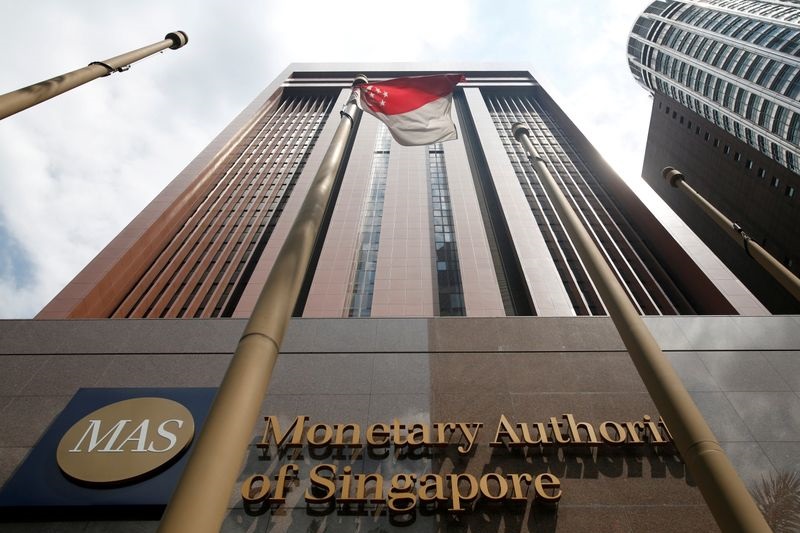
According to the Monetary Authority of Singapore (MAS), gross domestic product rose 4.6% year-on-year in the three months ending March 31. This came in below market expectations of 5.4% and marked a sharp slowdown from the 6.9% growth recorded in the previous quarter.
On a quarterly basis, GDP contracted by 0.3%, slightly better than forecasts for a 0.5% decline but a notable reversal from the 2.1% expansion seen previously.
Manufacturing Remains a Bright Spot
The MAS noted that the preliminary GDP data reflects a moderation in trade activity and modern services following a strong prior quarter. However, manufacturing—particularly the electronics sector—remained resilient, supported by ongoing demand tied to artificial intelligence investments.
Middle East Conflict Adds Uncertainty
The central bank warned of “significant uncertainty” surrounding shipping routes through the Strait of Hormuz, which has already contributed to rising fuel export costs. Elevated energy prices are expected to pressure key sectors such as petrochemicals and transportation, potentially weighing on economic growth in the coming quarters.
MAS Tightens Policy to Curb Inflation
In response to rising inflation risks, the MAS slightly tightened monetary policy by increasing the pace of appreciation allowed for the Singapore dollar under its Singapore Dollar Nominal Effective Exchange Rate (S$NEER) framework.
The S$NEER measures the currency against a basket of major trading partners and serves as the MAS’ primary policy tool. By allowing the Singapore dollar to strengthen, policymakers aim to offset imported inflation pressures.
Inflation Outlook Revised Higher
The MAS highlighted that energy import costs have already increased and are likely to push up prices for a broader range of goods and services in the near term.
As a result, the central bank raised its 2026 inflation forecasts. Core inflation is now projected at 1.5%, up from 1.0%, while overall consumer price inflation is expected to reach 2.5%, compared to a previous estimate of 2.0%.