US to Enforce Iran Port Blockade Starting April 13
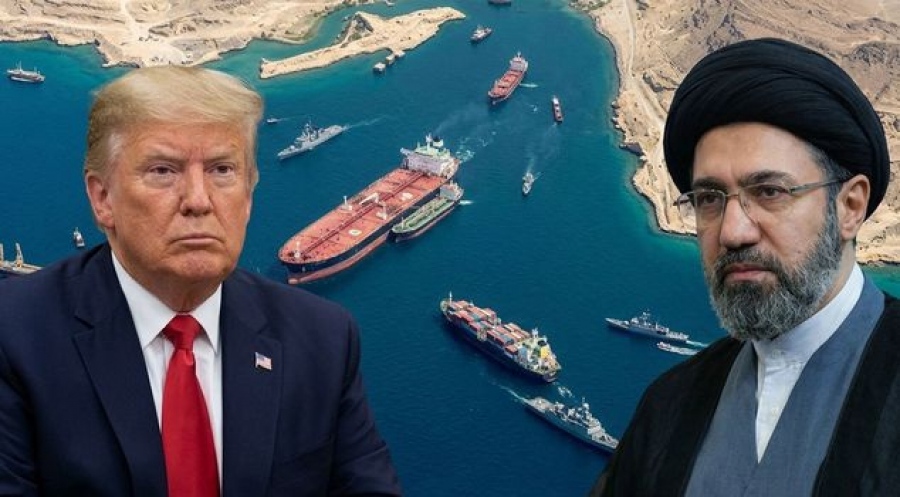
The United States military is set to begin enforcing a blockade on maritime traffic entering and leaving Iranian ports from 10:00 AM ET on April 13. The move follows a presidential directive aimed at increasing pressure on Tehran amid escalating tensions.
U.S. Central Command (CENTCOM) confirmed that the restrictions will apply to vessels of all nationalities operating in Iranian ports and coastal regions, including areas along the Arabian Gulf and the Gulf of Oman.
Hormuz Transit to Remain Open for Non-Iranian Shipping
CENTCOM clarified that the blockade will not interfere with freedom of navigation through the Strait of Hormuz for ships traveling to and from non-Iranian destinations. Additional guidance is expected to be issued to commercial shipping operators before the measures are implemented.
US Sets Strict Conditions in Iran Talks
During high-level negotiations held in Islamabad, U.S. officials outlined a series of strict demands to Iran, according to reports. These included a complete halt to uranium enrichment, dismantling of key nuclear facilities, and the removal of highly enriched nuclear materials from the country.
Washington also pushed for the full reopening of the Strait of Hormuz without tolls, broader regional peace commitments, and an end to Iran’s support for proxy groups such as Hezbollah and the Houthi movement.
Talks Collapse After Extended Negotiations
The negotiations, which lasted more than 21 hours, ended without an agreement. U.S. Vice President JD Vance stated that Iran did not accept Washington’s conditions, leading to a breakdown in talks.
This marked one of the highest-level direct engagements between the United States and Iran since 1979, highlighting the significance of the failed discussions.
Trump Announces Hormuz Blockade
Following the collapse of negotiations, President Donald Trump announced that the U.S. Navy would begin blocking vessels attempting to enter or exit the Strait of Hormuz.
The administration also signaled intentions to intercept ships that have paid transit tolls to Iran and to remove naval mines believed to have been deployed in the region.
Rising Risk of Military Escalation
The developments have increased the risk of further military confrontation. Iran has indicated it will restrict safe passage through the Strait of Hormuz unless a deal is reached, while warning of a strong response to any attempts to challenge its control.
Despite diplomatic efforts, Iran has stated that no further nuclear talks with the United States are currently planned.
US Signals Confidence While Preparing for Conflict
President Trump downplayed the failed negotiations, suggesting that the United States maintains a strategic advantage regardless of whether a deal is reached.
At the same time, U.S. officials have confirmed increased military readiness, including the deployment of additional naval resources and equipment in the region.
Hormuz Remains a Key Global Flashpoint
The Strait of Hormuz continues to be a critical chokepoint for global energy markets. Although U.S. officials reported that naval vessels successfully passed through the strait over the weekend, Iranian authorities disputed the claim.
With no agreement in place and tensions remaining high, the blockade and its impact on global oil supply and shipping costs are expected to persist.