Asian Currencies Stabilize After Rally as Ceasefire Uncertainty Grows
Most Asian currencies traded in a narrow range on Thursday, following strong gains in the previous session. Investor sentiment turned cautious as doubts emerged over the durability of the temporary U.S.-Iran ceasefire, amid renewed geopolitical tensions in the Middle East.
US Dollar Weakens After Recent Decline
The U.S. Dollar Index slipped 0.1%, extending losses after falling to a four-week low on Wednesday. U.S. Dollar Index futures also edged lower, reflecting continued pressure on the greenback as market uncertainty persists.
Middle East Tensions Resurface
Geopolitical risks escalated after intensified Israeli strikes on Lebanon, targeting Hezbollah positions with heavy bombardments. The attacks continued despite the announcement of a two-week ceasefire between the United States and Iran by President Donald Trump.
This raised questions about whether Lebanon was included in the ceasefire agreement, adding to market confusion.
Iran Response and Strait of Hormuz Concerns
In response to ongoing military activity, Iran adopted a more aggressive stance, calling peace talks with the U.S. “unreasonable” under current conditions. Reports also indicated that Tehran moved to close the Strait of Hormuz once again, a key global oil transit route.
Initially, the ceasefire had boosted risk appetite, weakening the dollar and supporting higher-yielding Asian currencies. However, continued uncertainty has clouded the outlook.
Analysts at MUFG warned that significant differences between involved parties reduce the likelihood of a lasting agreement, increasing the risk of renewed volatility in global markets.
Currency Moves Across Asia
- The South Korean won weakened slightly, with USD/KRW rising 0.2% after a sharp drop in the previous session
- The Japanese yen saw USD/JPY edge up 0.1%, following earlier losses
- The Indian rupee declined 0.3%, after strengthening a day earlier when the Reserve Bank of India held interest rates steady
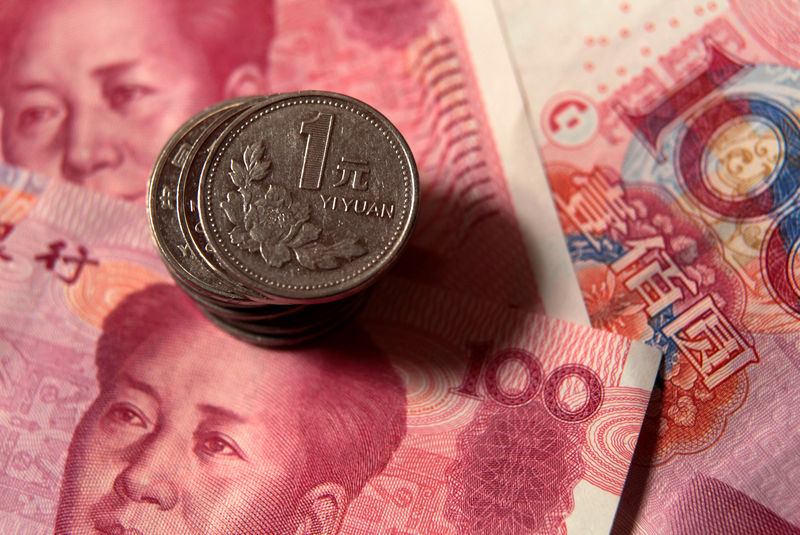
Meanwhile, the Chinese yuan (USD/CNY) ticked up 0.1% after reaching a three-year low, while both the Australian dollar (AUD/USD) and Singapore dollar (USD/SGD) remained largely unchanged.
Oil Prices Rebound, Adding Pressure
Oil prices rebounded more than 2% after a steep decline, as concerns over supply disruptions through the Strait of Hormuz persisted. Rising crude prices typically weigh on Asian economies that rely heavily on energy imports, adding pressure on their currencies.
Focus Shifts to US Inflation Data
Looking ahead, investors are closely watching upcoming U.S. consumer inflation data scheduled for Friday. The release is expected to provide further insight into the Federal Reserve’s future monetary policy direction.