Asian currencies traded in a narrow range on Friday as investors remained cautious ahead of crucial U.S. inflation data. At the same time, weaker inflation figures from Japan added uncertainty to the outlook for further interest rate hikes by the Bank of Japan (BOJ).
The US Dollar Index rose 0.1%, building on gains that pushed it to a one-month high overnight. The greenback was supported by safe-haven demand and hawkish signals from the latest Federal Reserve meeting minutes. US Dollar Index Futures were also up 0.1% in late U.S. trading hours.
Market attention is now centered on the U.S. Personal Consumption Expenditures (PCE) price index, the Federal Reserve’s preferred inflation gauge. The data release is expected to provide fresh guidance on the future direction of monetary policy and potential interest rate adjustments.
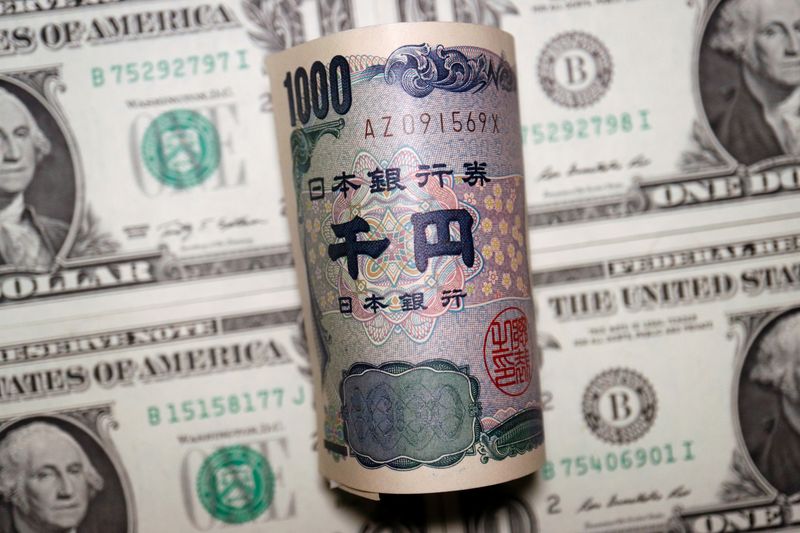
In Japan, the USD/JPY pair remained largely unchanged after new data showed inflation slowing significantly. Japan’s consumer price index (CPI) fell to its lowest level in nearly four years in January. Core inflation also eased to 2%, marking a two-year low and aligning with the BOJ’s official target.
Headline inflation dropped to 1.5%, falling below the central bank’s target for the first time in almost four years. A broader inflation measure that excludes fresh food and fuel also slowed, although it remained above target levels. These figures indicate that price pressures in Japan are gradually cooling, complicating expectations for the timing of the next BOJ rate hike.
However, separate data showed that Japan’s manufacturing sector expanded at its fastest pace in more than four years in February, highlighting resilience in industrial activity despite easing inflation.
Across the broader Asian region, investors continued to weigh uncertainty around global monetary policy against a strengthening U.S. dollar. The greenback is on track to post its strongest weekly gain in months, rising more than 1%, supported by solid U.S. economic data and renewed geopolitical tensions, including strains involving Iran.
Currency movements across the region were modest. The South Korean won and Chinese yuan traded largely flat against the dollar. The Singapore dollar edged slightly higher, while the Indian rupee weakened marginally. Meanwhile, the Australian dollar slipped 0.3% against the U.S. dollar.