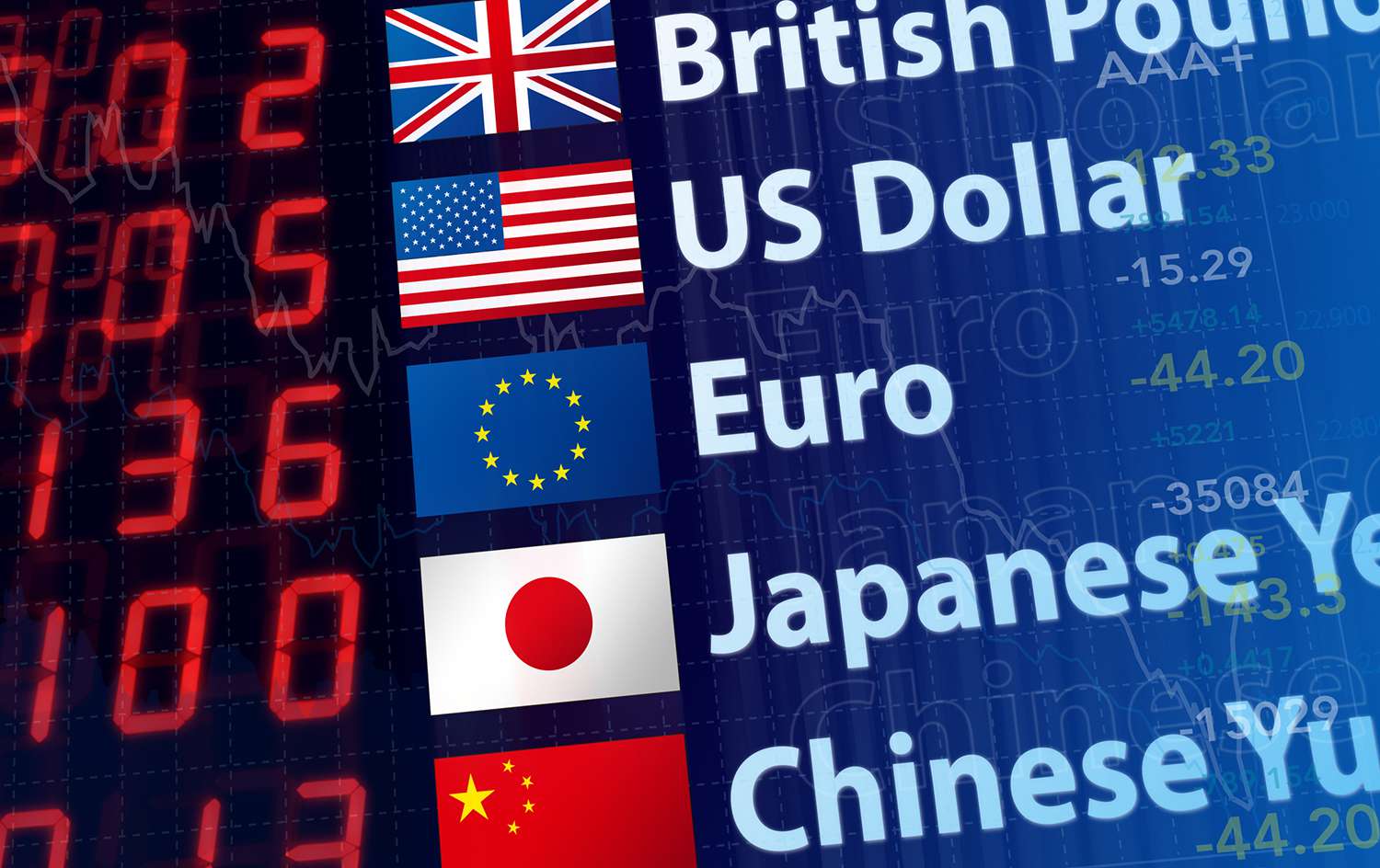
The US dollar remained near an 18-month high during Tuesday’s Asian trading session, supported by escalating geopolitical tensions and continued demand for safe-haven assets. Renewed attacks on energy infrastructure in the Middle East and Ukraine heightened market uncertainty, helping the greenback maintain its recent strength.
The US Dollar Index, which tracks the currency against six major counterparts, stood at 102.56 in relatively quiet Asian trading. The index had gained 0.3% on Monday and remained close to its strongest level since April of the previous year.
According to Chris Weston, head of research at Pepperstone Group in Melbourne, higher US interest rates relative to other economies, resilient economic growth, and increasing demand for defensive dollar exposure continue to support the currency.
Rising Bond Yields and Geopolitical Risks Support the Dollar
Higher energy prices and rising US Treasury yields have strengthened the dollar against several major currencies in recent sessions.
Meanwhile, uncertainty in France’s bond market has weighed on the euro. The yield spread between French and German government bonds widened on Monday, reflecting growing pressure on European debt markets.
The euro remained largely unchanged at $1.1159 on Tuesday, while the British pound held steady at $1.3209.
Against the Japanese yen, the dollar slipped 0.1% to 158.435 yen following fresh inflation data from the Bank of Japan.
Japan’s wholesale prices increased 6.8% year-on-year in September, below economists’ expectations for a 7.6% rise. The weaker-than-anticipated reading highlighted an easing in producer price pressures.
The Chinese yuan, meanwhile, traded near its strongest level in four years. The offshore currency remained stable at 6.6950 yuan per US dollar.
Australian Dollar Reacts to RBA Interest Rate Outlook
The Australian dollar declined 0.1% to $0.6956, showing little immediate reaction to the release of minutes from the Reserve Bank of Australia’s September policy meeting.
The minutes revealed that policymakers unanimously supported a fourth interest rate increase during the year.
The RBA also warned that inflation could remain more persistent than previously expected. Consequently, officials left open the possibility of a fifth rate increase if economic conditions warranted further tightening.
Elsewhere, the New Zealand dollar slipped 0.1% to $0.5582, remaining close to an 18-month low.
Bitcoin and Ethereum Decline as Oil Prices Retreat
Cryptocurrency markets also faced selling pressure amid broader financial market uncertainty.
Bitcoin fell 2% to $81,365.56, while Ethereum dropped 3.8% to $2,422.06, reflecting weakness across major digital assets.
In energy markets, Brent crude futures declined 0.9% to $105.74 per barrel, partially reversing Monday’s 1.8% increase.
The previous session’s oil rally followed attacks targeting energy infrastructure in Saudi Arabia and Ukraine, which raised concerns about potential supply disruptions.
Despite Tuesday’s modest decline in crude prices, elevated energy costs and geopolitical uncertainty remain important factors influencing currency markets.
The combination of higher US bond yields, resilient economic growth, and demand for safe-haven investments continues to underpin the dollar’s strength against its global peers.