China and the United States have agreed to reduce tariffs on $60 billion worth of goods traded between the world’s two largest economies.
The agreement covers a broad range of products, from US agricultural exports and cosmetics to Chinese household appliances, toys and other consumer goods.
US and China Target $60 Billion in Trade
Under the US-China Board of Trade, each country recommended around $30 billion worth of non-sensitive goods for more favorable tariff treatment.
US Trade Representative Jamieson Greer said the agreement would improve market access for approximately 30% of US exports to China.
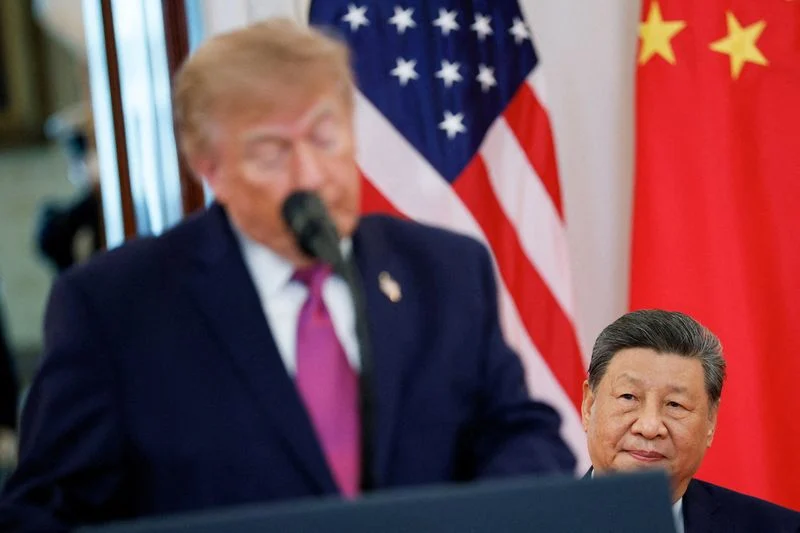
The reciprocal tariff reductions were among the main outcomes of the second summit this year between Chinese President Xi Jinping and US President Donald Trump. The latest meeting was held in Washington.
The two sides also agreed to extend their existing trade truce.
China Cuts Tariffs on US Agricultural Goods
China plans to reduce tariffs on several major US agricultural products, according to a list released by the White House.
The products include corn, wheat, sorghum, meat, dairy products, vegetable oils and meals. Soybeans, however, were not included in the tariff-cut list.
Beijing is also expected to lower duties on US fish and seafood, logs, wood products, cosmetics and medical devices.
China’s selection of agricultural products could also help the country meet a reported $17 billion commitment to purchase US agricultural goods.
China has already resumed large-scale purchases of US soybeans following an earlier agreement to buy 25 million metric tons annually.
US Lowers Tariffs on Chinese Consumer Goods
The United States will provide reciprocal tariff reductions on a variety of Chinese products.
These include small household appliances such as coffee makers and toasters, as well as tableware, blankets and bed linens.
Tariff reductions will also cover toys, fireworks, artificial flowers, Christmas tree lights, holiday decorations and children’s car seats.
The agreement therefore extends beyond agriculture and targets a broad selection of consumer goods traded between the two countries.
US-China Trade Truce Extended
China’s Commerce Ministry said the two countries have extended their trade truce by two months, through January 10.
The extension gives Washington and Beijing additional time to evaluate their current trade arrangements and consider further steps to address economic disputes.
Chinese officials said the extension should also create a more stable and predictable environment for businesses operating between the two countries.
Both sides plan to hold regular discussions on investment opportunities, trade barriers and policy transparency. Officials will also address concerns raised by businesses.
Chinese Stocks Fall Despite Trade Agreement
Chinese stocks came under significant pressure following the US-China summit.
Investors appeared disappointed by the lack of additional concrete details, while underlying tensions between Washington and Beijing remained a concern.
Technology stocks were particularly weak following a bipartisan US initiative targeting the use of Chinese components in data centers.
China’s benchmark blue-chip stock index also fell more than 2%, reaching its lowest level in around a year.
US and China Expand Agricultural Cooperation
Agriculture remains an important part of the evolving US-China trade relationship.
The two countries will establish an agricultural working group under their trade council. Its first meeting is expected to take place before the end of the year.
The group will focus on improving two-way market access and discussing agricultural regulations.
China Agrees to Buy US Coal
The presidential summit also produced a new agreement covering US coal exports.
China agreed to import 10 million metric tons of coal annually from the United States in both 2027 and 2028.
That volume would represent roughly 2% of China’s annual coal imports.
However, liquefied natural gas and crude oil were not included in the agreement.
China’s Commerce Ministry said US coal imports could supplement domestic supply while also providing economic benefits and employment for the American coal industry.
US-China Talks Expand to AI and Financial Services
The two countries also reached agreements in areas beyond traditional trade.
On artificial intelligence, Washington and Beijing agreed to establish a communication channel for AI-related incidents. A follow-up dialogue is expected by the end of November.
China will also review applications from foreign financial services companies, including US-backed institutions, seeking to operate or establish branches in the Chinese market.
Meanwhile, officials will continue discussions about increasing the number of direct flights between China and the United States.
US-China Trade Relations Enter a New Phase
The tariff reductions and extended trade truce provide additional breathing room for both countries as they attempt to manage their economic relationship.
Lower tariffs on $60 billion worth of goods could improve market access for businesses in both countries. At the same time, agreements covering agriculture, coal, AI, financial services and aviation suggest that negotiations are expanding into a wider range of economic areas.
However, continued weakness in Chinese stocks and unresolved disputes show that broader US-China tensions remain an important factor for global markets.