US and Iran Exchange New Air Strikes as Hormuz Deal Hopes Fade
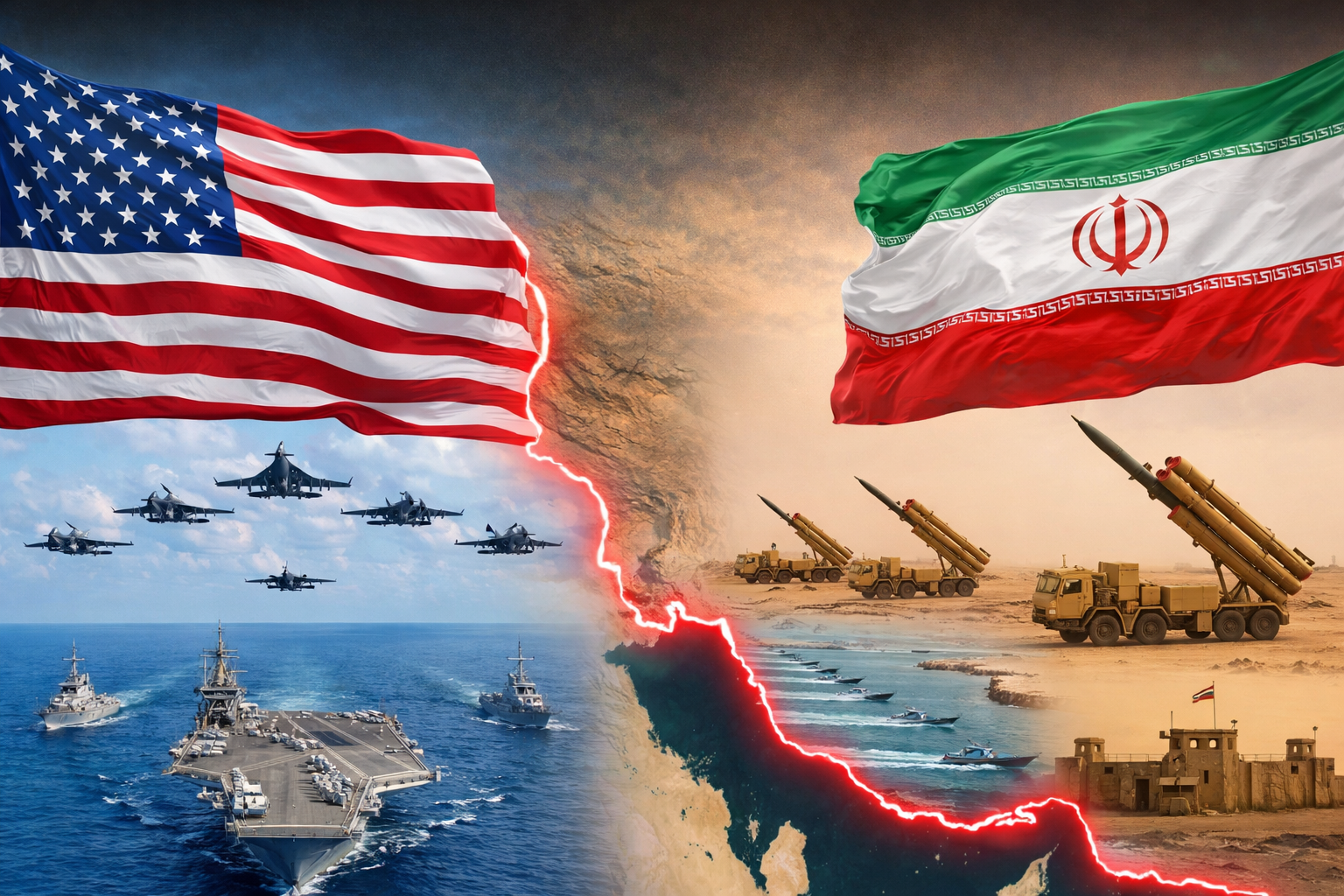
The United States and Iran exchanged fresh air strikes on Thursday, only hours after U.S. President Donald Trump downplayed expectations that a deal to reopen the Strait of Hormuz was close to being finalized.
The renewed military confrontation increased fears that tensions in the Middle East could escalate further and delay any potential peace agreement between Washington and Tehran.
US Strikes Bandar Abbas, Iran Responds
According to reports, the U.S. military launched strikes near the Iranian city of Bandar Abbas earlier in the day, prompting a retaliatory response from Iran’s Revolutionary Guard Corps (IRGC).
The IRGC claimed responsibility for attacks targeting a U.S. military base in Kuwait in response to the strikes on Bandar Abbas.
Meanwhile, Kuwaiti authorities confirmed they were defending against incoming missile and drone attacks, although they did not officially identify the source.
Reuters also reported that U.S. forces intercepted four Iranian attack drones and struck a ground control station located in Bandar Abbas.
Ceasefire Under Pressure as Hostilities Resume
The latest attacks signaled a possible return to open military conflict between the United States and Iran after Tehran warned earlier this week that it would retaliate against American strikes.
Despite the escalation, the U.S. military maintained that its actions were carried out in “self-defense” and insisted that a ceasefire agreement with Iran technically remains in place.
Trump Rejects Reports of Hormuz Shipping Deal
Thursday’s military developments followed comments from President Donald Trump rejecting reports that Iran and Oman would jointly manage shipping traffic through the Strait of Hormuz under a proposed agreement aimed at ending the conflict.
Trump acknowledged that Iran appeared interested in reaching a deal but indicated that he was still dissatisfied with the current terms being discussed.
The latest military action, combined with Trump’s remarks, suggested that a broader peace agreement and the reopening of Hormuz remain uncertain.
Iran Proposed Restoring Shipping Through Hormuz
Iranian media had earlier reported that a draft framework agreement included plans for Tehran to restore commercial shipping through the Strait of Hormuz to pre-war levels within one month.
The reports also claimed that Iran and Oman would oversee shipping traffic through the strategic waterway together.
Additional reports suggested that the framework agreement could involve the United States easing its blockade on Iranian ports.
However, Trump strongly rejected the idea that any single country could control the Strait of Hormuz.
U.S. officials also reiterated that Iran must not be allowed to develop nuclear weapons, while noting that reports about the proposed framework deal did not address Iran’s enriched uranium stockpile.
Oil Prices Jump as Middle East Tensions Rise
Oil prices rallied approximately 4% following Thursday’s attacks, recovering part of the heavy losses seen over the past week.
At the same time, Israeli military operations against Hezbollah forces in southern Lebanon continued, adding further geopolitical uncertainty across the Middle East and keeping global energy markets on edge.