U.S. Proposes New Tariffs on Imports Linked to Forced Labor Concerns
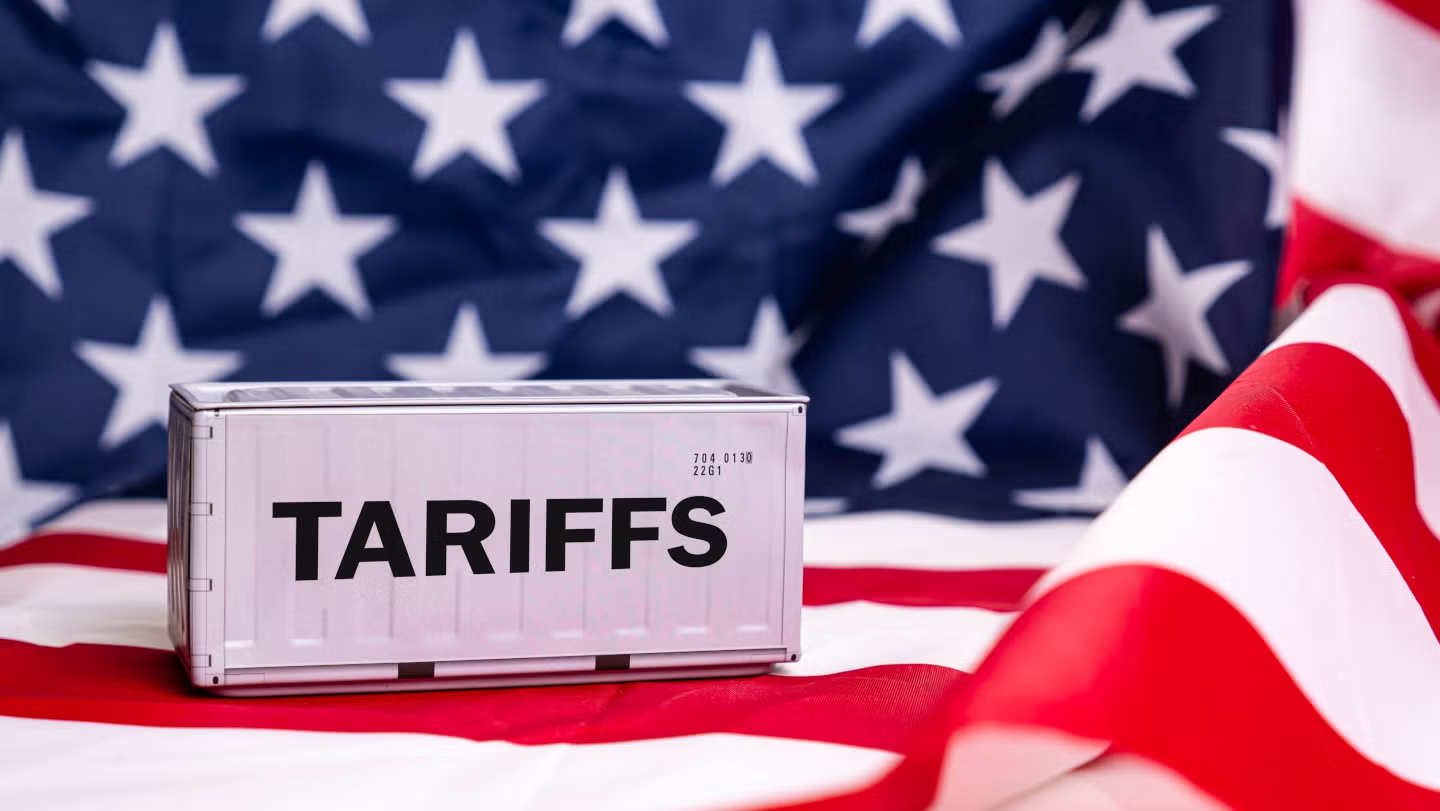
The administration of President Donald Trump has unveiled a proposal for broad new tariffs targeting imports from dozens of economies, citing concerns over the continued flow of goods produced with forced labor.
The proposed measures would impose tariffs of at least 10% on imports from countries that U.S. officials believe have failed to adequately prevent forced-labor products from entering global supply chains.
USTR Investigation Finds Trade Practices Harm U.S. Commerce
According to the Office of the U.S. Trade Representative (USTR), investigations conducted under Section 301 of the Trade Act concluded that the policies and enforcement measures of several trading partners regarding forced-labor imports were insufficient.
The agency stated that these practices were deemed “unreasonable” and created burdens for American businesses and workers by allowing unfair competition in global markets.
U.S. Trade Representative Jamieson Greer emphasized that major trading partners have not taken enough action to address the issue.
“The failure of our most important trading partners to address the importation of goods made with forced labor is unacceptable,” Greer said.
Proposed Tariff Rates Explained
Under the proposal, countries that have already implemented restrictions on forced-labor imports, committed to such measures through trade agreements, or maintain partial enforcement mechanisms would face an additional 10% tariff.
Meanwhile, economies that have not adopted meaningful restrictions could be subject to tariffs of 12.5%.
The plan is designed to encourage stronger enforcement efforts while protecting U.S. industries from products that may benefit from unfair labor practices.
Major Global Economies Included
The investigations cover a wide range of key U.S. trading partners.
Countries examined include China, India, Japan, South Korea, the United Kingdom, Australia, Brazil, and Vietnam.
The USTR also cited the European Union, Canada, Mexico, Indonesia, and Pakistan for what it described as inadequate enforcement of existing bans and restrictions related to forced-labor goods.
Protecting American Workers and Businesses
U.S. officials argue that weak enforcement abroad has allowed products made under questionable labor conditions to enter international markets, creating competitive disadvantages for American companies.
According to the USTR, stronger trade measures are necessary to ensure a more level playing field for U.S. manufacturers and workers.
The proposed tariffs form part of a broader effort by the administration to address trade imbalances and strengthen domestic industries.
Special Textile Import Provisions Included
In addition to the tariff proposal, the USTR outlined a separate textile mechanism that would allow limited quantities of apparel and textile imports from certain economies to enter the United States at reduced tariff rates.
The measure is intended to provide flexibility for specific supply chains while maintaining pressure on countries to improve enforcement standards.
Public Consultation Process Begins
The proposal is now entering a public review period.
Interested parties have until July 6 to submit comments regarding the planned tariffs, while public hearings are scheduled to take place on July 7.
The feedback process will help determine the final structure and implementation of the proposed trade measures before any tariffs are officially enacted.