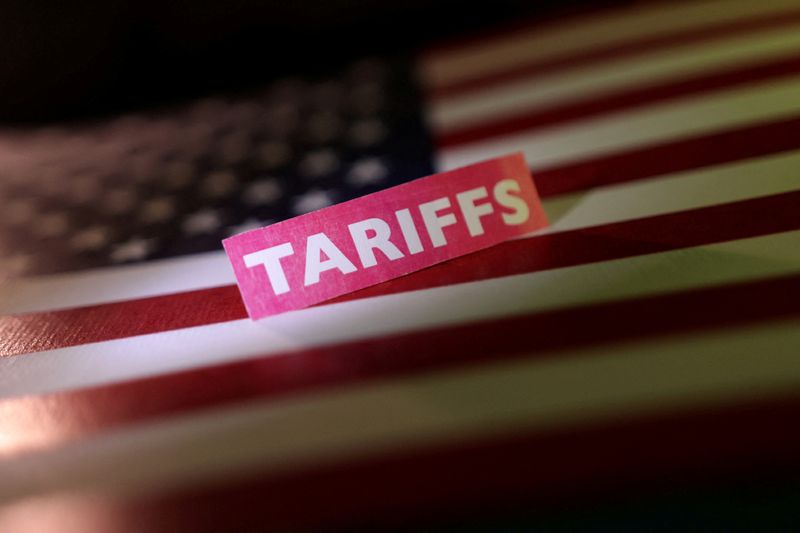
The Trump administration announced new tariffs on Thursday targeting 60 of the United States’ largest trading partners.
The measures cover almost all U.S. imports and are linked to concerns that these economies have failed to prevent goods produced through forced labor from entering their markets.
USTR Investigated 60 Trading Partners
The Office of the U.S. Trade Representative, known as the USTR, began investigating the 60 economies in March at the direction of President Donald Trump.
The investigations focused on whether these countries had introduced and effectively enforced bans on imports made with forced labor.
According to the USTR, the targeted economies did not take sufficient action to prevent such products from entering global supply chains.
U.S. Calls for Stronger Forced Labor Enforcement
USTR Ambassador Jamieson Greer said international pressure had failed to eliminate forced labor from global trade.
He noted that the United States has maintained a ban on forced labor imports for almost a century and continues to enforce the restriction.
Greer argued that major U.S. trading partners should adopt similar rules and ensure that they are properly applied.
Tariff Rates Depend on Existing Import Bans
The USTR said tariff rates will vary depending on the steps each trading partner has taken.
Countries that have committed to enforcing bans on forced labor imports will face a 10% tariff.
Economies that have not introduced similar restrictions will be subject to a higher tariff rate of 12.5%.
Canada, Mexico, the United Kingdom and India are among the countries expected to receive the 10% rate.
Public Consultations Followed the Investigation
The USTR completed its investigations in June and concluded that the 60 trading partners had failed to enforce adequate restrictions on goods linked to forced labor.
The agency then invited public feedback on the proposed tariffs.
More than 1,600 written comments were submitted, while the USTR also conducted two rounds of public hearings.
These consultations formed part of the formal process before the tariff measures were introduced.
Some Trading Partners Adopt New Restrictions
Greer welcomed the countries that moved quickly to introduce forced labor import bans following the U.S. investigation.
However, he emphasized that adopting restrictions alone would not be enough.
The United States will also focus on whether those rules are effectively enforced and whether products made through forced labor continue to enter international markets.
Latest Move Expands U.S. Tariff Policy
The forced labor tariffs were announced only days after the United States imposed a 50% tariff on several Canadian products.
The White House said those earlier measures were a response to Canada’s treatment of American automobiles, alcoholic beverages and dairy products.
The latest action therefore represents another significant expansion of the administration’s trade policy.
Global Supply Chains Face Greater Scrutiny
The new tariffs could increase pressure on companies and governments to examine their supply chains more carefully.
Businesses that rely on international suppliers may face higher costs if products are connected to countries that have not adopted or enforced forced labor import restrictions.
The measures could also encourage more trading partners to strengthen customs controls, labor protections and supply chain transparency.