Pete Hegseth: U.S. Not Seeking Conflict in Strait of Hormuz Operation
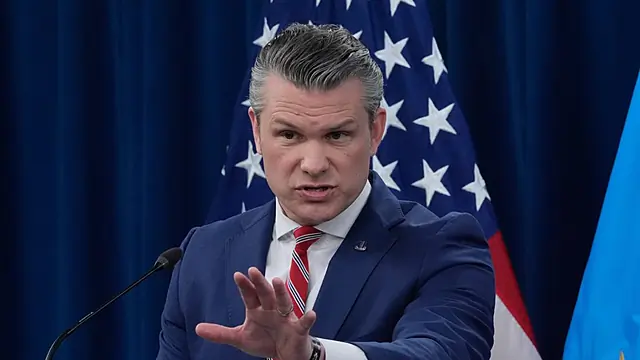
U.S. Defense Secretary Pete Hegseth stated that Iran has disrupted commercial shipping in the Strait of Hormuz for an extended period, but emphasized that Tehran does not control the vital maritime route. He also clarified that the United States is not aiming to escalate tensions while working to reopen the passage.
“Project Freedom” Aims to Secure Shipping Routes
During a press briefing, Hegseth outlined the objectives of the U.S. initiative known as “Project Freedom,” describing it as a limited and defensive operation.
He explained that the mission is focused on protecting commercial vessels from potential threats, adding that U.S. forces do not intend to enter Iranian waters or airspace. According to Hegseth, the operation is temporary and designed solely to ensure safe navigation through the strait.
Warning Against Attacks on Commercial Shipping
While signaling a preference for de-escalation, Hegseth warned that the U.S. would respond with overwhelming force if Iran targets commercial ships.
His comments come amid continued tensions between Washington and Tehran, with both sides recently engaging in military activity in the region.
Donald Trump Comments on Conflict Timeline
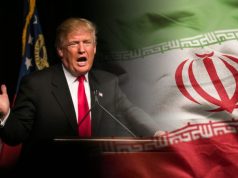
U.S. President Donald Trump suggested that the conflict could continue for several more weeks, although he also stated that the U.S. has effectively gained control over the situation.
Speaking to ABC News, Trump indicated that there is no immediate deadline to conclude the campaign, while also asserting that a ceasefire with Iran has largely halted the timeline for further escalation.
Political Pressure and Ceasefire Debate
The White House is facing increasing scrutiny from U.S. lawmakers, particularly after a 60-day deadline requiring Congressional approval for extended military action was reached.
Despite renewed attacks, Hegseth maintained that the ceasefire remains intact, even as tensions continue to fluctuate.
Diplomatic Efforts Continue
Iran’s Foreign Minister Abbas Araghchi warned that military action alone would not resolve the crisis. However, he noted that diplomatic talks taking place in Pakistan are showing progress.
Renewed Clashes and Regional Escalation
Recent military exchanges between the U.S. and Iran have raised concerns about broader regional instability. Reports indicate that multiple commercial vessels in the Gulf experienced fires or explosions.
The U.S. military confirmed it had assisted American-flagged ships in safely passing through the strait while intercepting threats from drones and small attack boats.
Tensions have also spread to the United Arab Emirates, where air defense systems were activated in response to missile and drone attacks. An oil facility in Fujairah was reportedly targeted.
Oil Prices Remain Elevated Despite Slight Pullback
Oil markets reacted cautiously, with prices easing slightly as signs emerged that shipping routes may be stabilizing. Maersk confirmed that one of its vessels successfully exited the Gulf with U.S. military support.
Hegseth noted that a “safe passage lane” is now available for ships navigating the strait. However, benchmark Brent crude prices remain above $110 per barrel, significantly higher than pre-conflict levels.
Rising oil prices continue to fuel concerns about inflation and potential impacts on global economic growth. Trump also warned that prices could climb further, potentially reaching as high as $250 per barrel.