Iran Claims Warships Turned Back in Strait of Hormuz
Iran’s navy stated that it forced foreign warships to retreat from the Strait of Hormuz after issuing what it described as a “swift and decisive warning,” according to reports from state media.
U.S. Denies Incident, Confirms Safe Passage
In response, United States Central Command said no American naval vessels had been struck. It also confirmed that two U.S.-flagged merchant ships successfully passed through the strait without incident.
Tehran Signals Readiness for Escalation
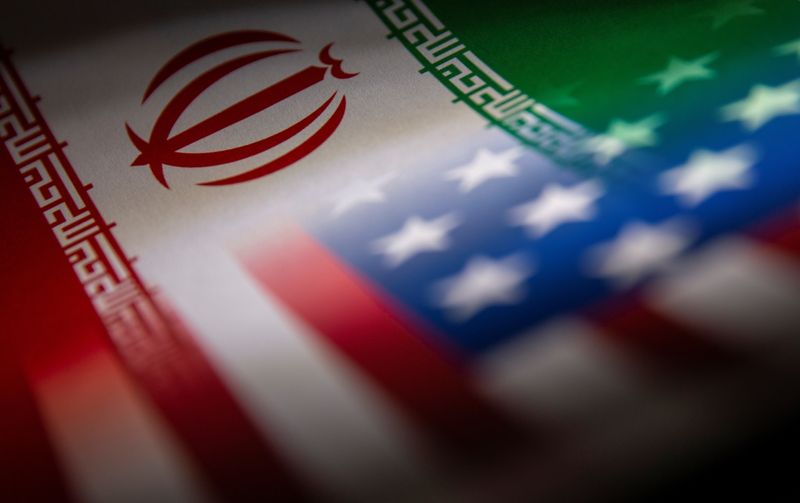
Iranian officials emphasized that the country is prepared for all possible scenarios and would not be pressured by the United States. Reports indicated that Tehran has developed multiple response strategies and could activate them if tensions escalate further.
Military Warnings and Rising Tensions
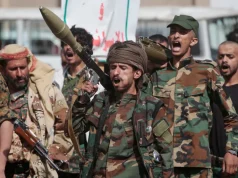
Iran’s military had earlier warned U.S. forces against entering the strait. These warnings followed comments from Donald Trump, who said the U.S. would begin assisting vessels stranded due to the effective closure of the waterway.
Iran also warned commercial shipping operators not to move through the area without approval from its armed forces.
“Project Freedom” and U.S. Strategy
Over the weekend, Trump introduced “Project Freedom,” a plan aimed at restoring shipping flows through the strait. The waterway is a critical global trade route, responsible for transporting roughly one-fifth of the world’s oil supply.
While details of the initiative remain limited, it highlights growing U.S. efforts to counter disruptions in the region.
Enhanced Security Measures in the Gulf
According to reports, a U.S.-led maritime coalition has established an “enhanced security area” south of traditional shipping lanes. These routes are now considered extremely hazardous due to the presence of naval mines that have not been fully cleared.
The U.S. military has committed significant resources to the region, including 15,000 personnel, over 100 aircraft, and naval destroyers operating in the Arabian Gulf.
Global Markets Under Pressure
The ongoing standoff has effectively restricted traffic through the Strait of Hormuz, a key chokepoint for global energy supply. The disruption began after a joint U.S.-Israel offensive against Iran earlier this year.
As a result, energy markets have reacted sharply. Brent Crude Oil surged above $110 per barrel once again, raising concerns about inflation and economic stability worldwide.
Market Outlook
With tensions escalating and no clear resolution in sight, the situation in the Strait of Hormuz remains a major risk for global markets. Any further developments could have significant implications for oil prices, inflation, and economic growth.