Trump Signals Deeper U.S. Troop Cuts in Germany
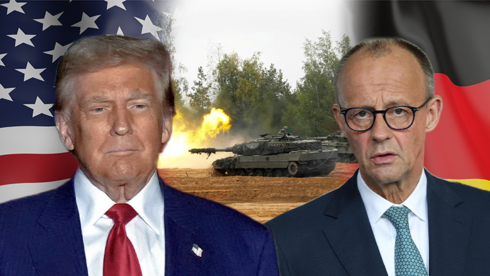
Donald Trump announced plans to significantly reduce the U.S. military presence in Germany, going beyond the previously proposed 5,000-troop withdrawal.
Speaking before boarding Air Force One, Trump stated that the U.S. would “cut way down,” although he did not provide a specific timeline or final troop numbers. The announcement marks a major shift in U.S. defense posture in Europe.
Rising Tensions Between the U.S. and European Allies
The proposed troop reduction comes amid growing friction between Washington and its European partners. Disagreements have intensified over Europe’s level of support for U.S. operations involving Iran and efforts to secure shipping routes through the Strait of Hormuz.
The move has drawn criticism from both NATO officials and senior U.S. lawmakers, raising concerns about the future of transatlantic security cooperation.
Political Pushback from U.S. Lawmakers
Key Republican figures have voiced opposition to the plan. Roger Wicker and Mike Rogers issued a joint statement emphasizing the importance of maintaining a strong military presence in Europe.
They argued that U.S. forces should be repositioned toward Eastern Europe rather than reduced, highlighting the need to preserve a credible deterrent within the NATO framework.
Trade Tensions Escalate with New Tariffs on EU Vehicles
The troop withdrawal announcement coincides with rising economic tensions between the U.S. and Europe. The administration recently introduced a 25% tariff on cars and trucks imported from the European Union, a move expected to heavily impact Germany’s manufacturing sector.
Friedrich Merz now faces mounting pressure as Germany navigates both economic challenges and growing security concerns.
Uncertainty Over Implementation and Legal Challenges
The U.S. Department of Defense expects the initial 5,000-troop withdrawal to take between six and twelve months. However, the plan may face legal and political obstacles.
A similar attempt to reduce the approximately 35,000 U.S. troops stationed in Germany was blocked by Congress in 2020, and the current proposal could encounter similar resistance on Capitol Hill.
Concerns Over NATO Stability
The evolving situation has raised concerns about the stability of the transatlantic alliance. Donald Tusk warned that the current trajectory could threaten the cohesion of NATO.
As tensions rise, uncertainty surrounding U.S. military strategy and its relationship with European allies continues to weigh on global geopolitical stability.