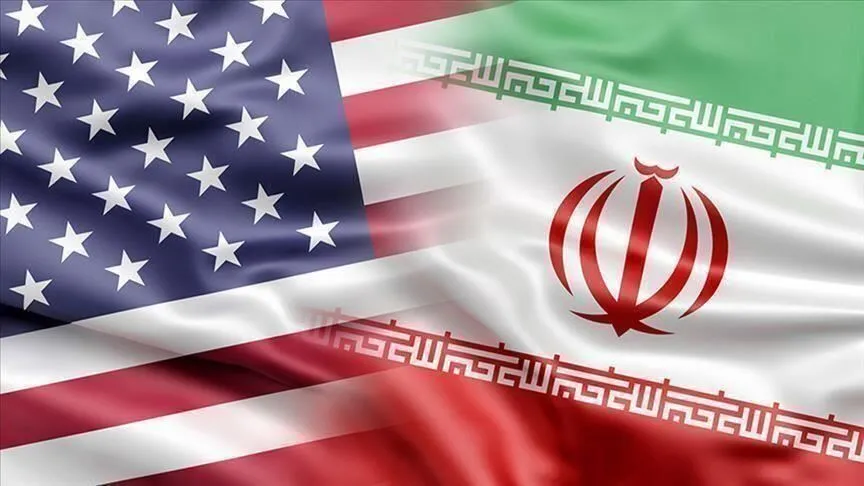
The U.S. military said it launched new strikes on Iran on Wednesday. The attacks were aimed at keeping the Strait of Hormuz open for international shipping.
The move triggered fresh Iranian attacks on Kuwait and Bahrain, marking the latest escalation in the conflict and weakening hopes for a lasting peace deal.
U.S. Responds to Ship Attacks in Strait of Hormuz
The latest U.S. strikes came after Tuesday’s attack on three cargo ships passing through the Strait of Hormuz.
The action also followed comments from President Donald Trump, who said he believed an interim ceasefire with Iran was effectively over.
U.S. Central Command said its forces had started additional strikes against Iran to reduce Tehran’s ability to threaten freedom of navigation in the Strait of Hormuz.
CENTCOM added that the United States was holding Iran responsible for recent attacks on commercial shipping and civilian crews in a key international waterway.
Iran Targets Kuwait and Bahrain
The U.S. strikes hit several cities along Iran’s southern coast. Some areas were left without power after the attacks.
Iran responded with a second day of attacks on Kuwait and Bahrain. Both countries host U.S. military bases.
Kuwait’s Defense Ministry said it was intercepting missiles and drones. Qatar also briefly issued an elevated security threat alert before later giving the all-clear.
A U.S. official told Reuters that Wednesday’s strikes on Iran would be larger in number than the attacks carried out on Tuesday.
Trump Warns Iran After Ship Attacks
Trump said the strikes were retaliation for Iran’s alleged bombing of ships.
He warned that any further attacks would lead to a stronger U.S. response.
The Strait of Hormuz remains central to the conflict. Before the war, around one-fifth of global oil supplies passed through the waterway.
This gives Iran major leverage, as any disruption in the strait can affect global energy markets and shipping routes.
Iran Pushes Back Against U.S. Pressure
Iran has not claimed responsibility for the recent ship attacks.
However, analysts believe Tehran may use such actions to increase leverage in negotiations.
Iran’s top negotiator, Mohammad Baqer Qalibaf, said the United States should understand that breaking commitments now carries consequences.
He also said Iran would decide the conditions for reopening the Strait of Hormuz, not the United States.
Peace Deal Hopes Fade
The latest exchange of strikes has reduced hopes that a memorandum of understanding signed on June 17 could become a permanent peace agreement.
The war began on February 28 after U.S.-Israeli attacks on Iran.
Speaking before a NATO summit in Turkey, Trump said he believed the memorandum was over. He also questioned whether any future deal with Iran would hold.
Still, Trump later said he did not expect a return to full-scale war. He added that any renewed conflict would likely end quickly and could make the region safer, including for oil supplies.
Oil Prices Rise After Fresh Attacks
Oil prices moved higher after Wednesday’s attacks.
Brent crude futures rose around 1% to $78.80 a barrel by 0054 GMT.
Even so, prices remained far below the late-April peak of more than $120 a barrel.
Iranian Port Cities Hit by Strikes
Iranian media reported that the strikes mainly targeted areas along the country’s southern coast.
The affected region stretched from the Strait of Hormuz to the Gulf of Oman.
Reported targets included Bandar Abbas, Iran’s largest port city. The city is also home to important navy and Revolutionary Guards facilities.
Other areas hit included Konarak and Chabahar, two coastal cities near Iran’s border with Pakistan.
Power Restored in Chabahar
Iran’s Mehr news agency reported that electricity had been restored to most parts of Chabahar after strikes caused outages in some areas.
Media reports also said a maritime traffic control tower in Chabahar was hit.
State media reported that a firefighter was killed in a strike on an airport in the southeastern city of Iranshahr.
In northern Iran, Press TV reported that a U.S. attack hit a railway bridge near Aqqala.
Iran Says U.S. Violated Agreement
Before the latest U.S. attacks, Iranian Foreign Ministry spokesperson Esmaeil Baghaei said earlier U.S. strikes had violated the June memorandum.
He said the agreement included language recognizing Iran’s role in arranging safe passage through the Strait of Hormuz.
A spokesperson for Iran’s parliament National Security Commission said possible retaliation options included withdrawing from the nuclear Non-Proliferation Treaty.
Other options mentioned included changing Iran’s nuclear doctrine and closing the Bab-el-Mandeb Strait, another critical shipping route at the mouth of the Red Sea.
Iran Appeals to the United Nations
Iran’s mission to the United Nations sent a letter to the U.N. Security Council on Wednesday.
The letter accused the United States of violating the U.N. Charter and its international obligations.
Iran also said the U.S. attacks violated the memorandum of understanding signed between the two countries.