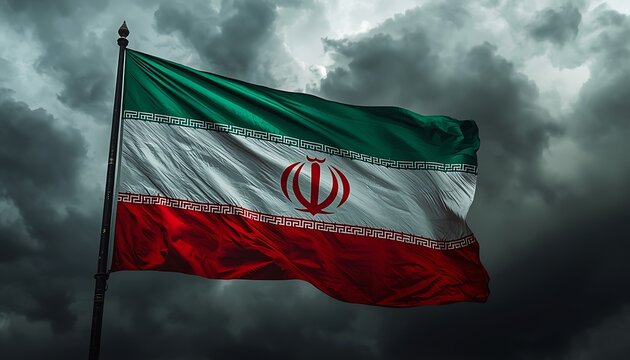
Iran’s Supreme Leader Mojtaba Khamenei has reaffirmed Tehran’s conditions for peace talks with the United States, emphasizing that any agreement must protect Iran’s national interests and regional security.
The statement comes amid renewed diplomatic efforts to prevent another escalation in the conflict involving Iran, the U.S., and Israel.
Iran Reaffirms Conditions for Peace Talks With U.S.
According to Iranian state media, Khamenei met with Mohsen Rezaei, head of Iran’s Supreme National Security Council, on Tuesday to discuss the country’s security priorities and the ongoing conflict.
The Iranian leader has not made a public appearance since his father was killed during the early stages of the war in March.
During the meeting, both officials emphasized the importance of maintaining control over the strategically significant Strait of Hormuz. They also discussed strengthening diplomatic and economic relations with neighboring countries to protect regional stability.
Tehran has repeatedly insisted that Washington must lift its naval blockade of Iranian ports and ease economic sanctions before meaningful peace negotiations can begin.
However, the United States continues to demand that Iran abandon its nuclear ambitions, creating a major obstacle to a potential diplomatic breakthrough.
Regional Powers Intensify Diplomatic Efforts
Despite these disagreements, hopes for renewed negotiations have increased as regional governments work to prevent another outbreak of hostilities.
The conflict, which has lasted nearly eight months, has significantly disrupted Middle Eastern security and global energy markets.
On Monday, senior officials from Saudi Arabia, Turkey, and Pakistan traveled to Tehran for high-level discussions with Iranian authorities.
The visit marked the first major diplomatic engagement involving Iran and all three countries since the conflict expanded into Yemen.
Saudi Arabia, Turkey, and Pakistan are members of a mutual defense agreement, highlighting the growing importance of regional cooperation in preventing further military escalation.
Their diplomatic initiative reflects increasing concerns that renewed fighting could threaten regional stability and critical international trade routes.
Houthi Attacks Raise Tensions in Yemen and Saudi Arabia
Meanwhile, the conflict in Yemen continues to complicate efforts to restore peace across the Middle East.
Iran-backed Houthi forces remain engaged in fighting against Saudi-aligned government troops, with both sides seeking control of strategically important territory.
Some of these contested areas overlook major shipping routes near the Bab el-Mandeb Strait, a crucial passage connecting the Red Sea with international maritime trade.
The Houthis have also launched attacks against targets inside Saudi Arabia, including airports and important energy infrastructure associated with state-owned oil giant Saudi Aramco.
These developments have heightened security concerns across the Gulf region and increased pressure on governments to pursue diplomatic solutions.
Oil Markets Remain Vulnerable to Middle East Tensions
The continuing uncertainty has also affected global oil markets, where prices have remained elevated for much of 2026.
Investors are particularly concerned about potential supply disruptions affecting two of the world’s most strategically important energy shipping routes: the Strait of Hormuz and the Bab el-Mandeb Strait.
Both waterways play essential roles in international energy transportation, making them highly sensitive to military developments.
Although recent shipping data suggest that oil shipments through the Strait of Hormuz have started recovering, the risk of renewed conflict continues to weigh on market sentiment.
Reports of possible military escalation have intensified fears that another round of hostilities could disrupt maritime transportation and tighten global oil supplies.
Consequently, the success or failure of ongoing diplomatic efforts between Iran, the United States, and regional powers could have significant implications for oil prices, energy security, and financial markets in the coming months.