U.S. and Iran Exchange Fresh Strikes as Peace Efforts Face New Challenges
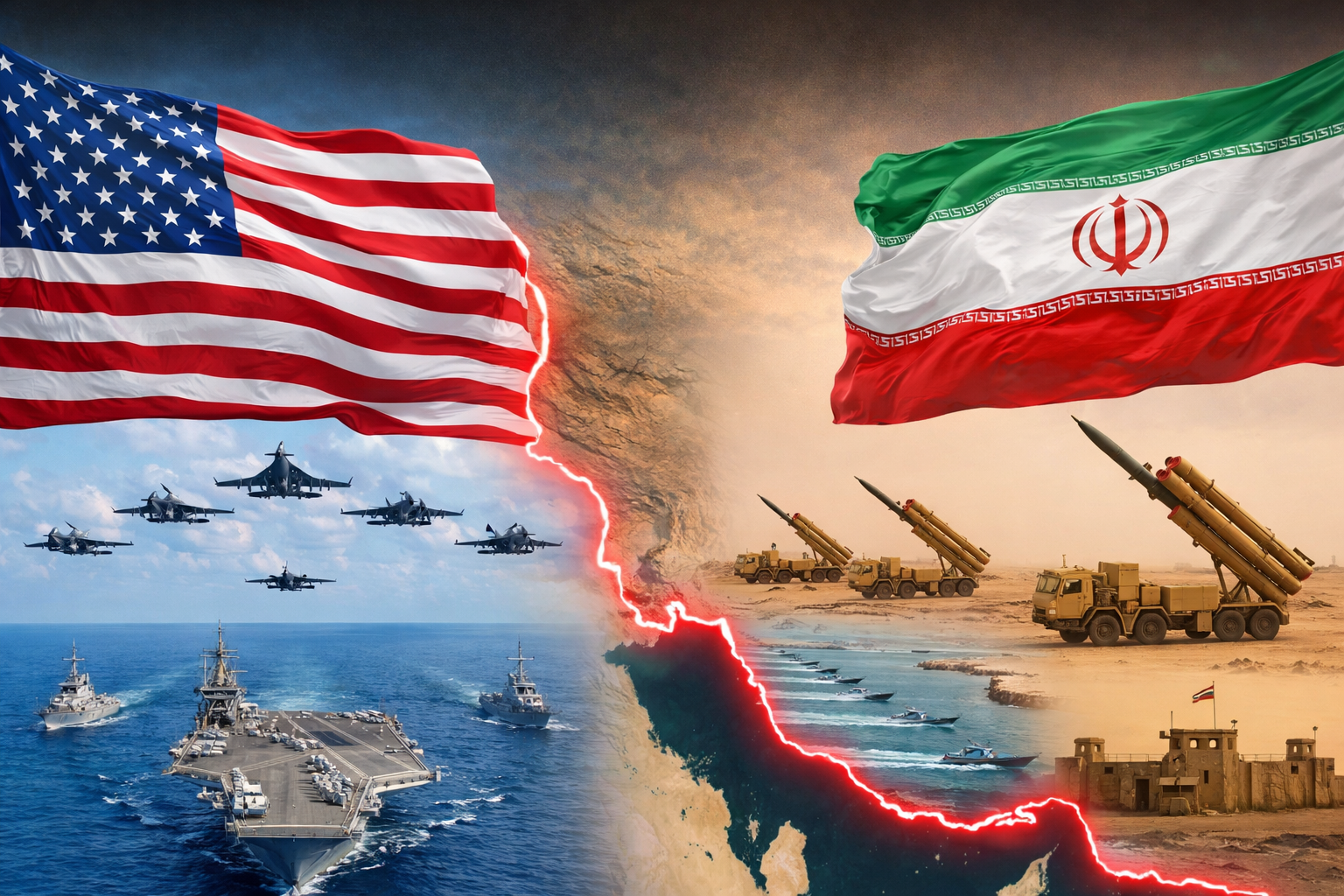
Military tensions between the United States and Iran escalated once again on Tuesday after both sides exchanged new strikes across the Middle East, raising fresh doubts about the prospects for a lasting peace agreement.
The latest confrontation comes amid growing uncertainty over ongoing diplomatic efforts and continued instability across the region.
CENTCOM Responds to Iranian Attacks
The U.S. Central Command (CENTCOM) announced that it successfully intercepted a new wave of Iranian missile and drone attacks targeting multiple locations in the Middle East.
According to the military command, air defense systems neutralized threats directed at Kuwait and Bahrain before they could cause significant damage.
In response, U.S. forces launched strikes against an Iranian ground control facility located on Qeshm Island.
CENTCOM stated that the operation was carried out as a direct response to the attacks and was intended to neutralize further threats.
Iranian Drones Target Regional Waters
The U.S. military also reported intercepting several Iranian attack drones that were launched toward vessels operating in regional waters.
CENTCOM confirmed that no American military personnel were injured during the latest exchange and that all identified threats were successfully addressed.
The incidents highlight the growing risks facing both military and commercial activity throughout the region.
Iran Claims Retaliatory Strikes
Iran’s Revolutionary Guard Corps (IRGC) issued its own statement, claiming responsibility for attacks targeting the headquarters of the U.S. Fifth Fleet in Bahrain as well as a military air base elsewhere in the region.
Iran described the strikes as retaliation for previous U.S. military actions.
However, CENTCOM stated that the attacks were unsuccessful and did not result in any significant damage or casualties.
Diplomatic Talks Remain Uncertain
The renewed military activity follows reports from Iranian media suggesting that Tehran has suspended indirect negotiations with Washington due to rising regional tensions.
The United States and Iran have exchanged multiple strikes over the past week, increasing concerns about the stability of the fragile ceasefire that had previously raised hopes for a broader peace agreement.
Despite the reports, U.S. President Donald Trump recently downplayed concerns regarding the status of negotiations and expressed optimism that a peace agreement could still be reached within the coming week.
Key Disagreements Continue to Divide Both Sides
While diplomatic efforts remain ongoing, significant obstacles continue to stand in the way of a comprehensive agreement.
One of the primary points of contention remains Iran’s nuclear program, which has been a central issue in discussions between Washington and Tehran.
The latest military escalation has further complicated negotiations and increased uncertainty regarding the likelihood of a near-term breakthrough.
Strait of Hormuz Remains Under Pressure
Meanwhile, Iran continues to maintain restrictions affecting traffic through the Strait of Hormuz, one of the world’s most strategically important energy corridors.
Before the conflict intensified, the waterway handled approximately one-fifth of global oil supplies, making any disruption a major concern for energy markets and global trade.
The continued limitations on shipping activity have contributed to concerns about supply disruptions and have helped support higher oil prices.
Markets Monitor Geopolitical Risks
Investors are closely monitoring developments in the Middle East as geopolitical tensions continue to influence global financial markets.
Rising uncertainty has supported oil prices while increasing concerns about energy security, inflation, and the broader economic impact of prolonged instability in the region.
As both military operations and diplomatic negotiations continue, market participants remain focused on whether tensions will ease or escalate further in the weeks ahead.