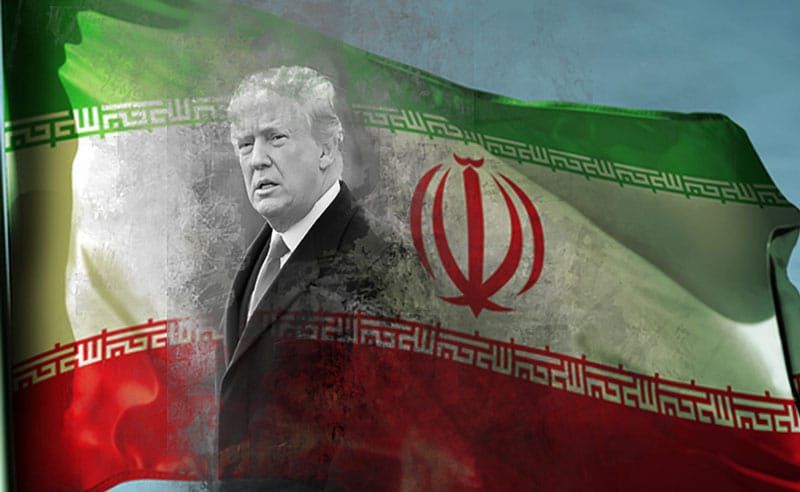
U.S. President Donald Trump said on Saturday that he had rejected an Iranian proposal to reopen the Strait of Hormuz within seven days.
The decision reduced hopes for a near-term diplomatic breakthrough that could restore normal energy flows through one of the world’s most important shipping routes.
“They made a proposal, but I rejected it,” Trump told reporters outside the White House before leaving for Tennessee.
Iran Proposed Reopening the Strait of Hormuz
Iran had offered to reopen the strategic waterway and resume negotiations over its nuclear program if Washington agreed to several conditions.
Those conditions reportedly included lifting the U.S. naval blockade on Iranian ports, easing oil sanctions and agreeing to a broader ceasefire across the region, including Lebanon.
Iranian Foreign Minister Abbas Araghchi said the proposal had been delivered through Qatari mediators.
Under the plan, the Strait of Hormuz would reopen on the sixth or seventh day of a proposed seven-day timetable, with nuclear talks beginning afterward.
Trump Rejects Iran’s Proposal
Trump’s rejection came as uncertainty continued to surround the prospects for a broader U.S.-Iran agreement.
The Wall Street Journal reported that Trump remained sceptical that Iran would meet Washington’s demands.
The report also said he believed further U.S. military action against Iran could become necessary after the November congressional elections.
Iran’s proposal reportedly called for hostilities to stop across the region.
In return, Washington would be expected to remove restrictions on Iranian ports, release frozen Iranian funds and provide relief from oil sanctions.
Conflict Continues to Disrupt Global Energy Flows
Diplomatic efforts are taking place seven months after U.S. and Israeli attacks on Iran triggered the current conflict.
The fighting has disrupted oil shipments through the Strait of Hormuz and increased geopolitical tensions throughout the Middle East.
The strait remains one of the world’s most important energy corridors, making any disruption a major concern for global oil markets.
Houthi Attacks on Saudi Arabia Continue
Regional tensions intensified further after Yemen’s Iran-backed Houthis launched another series of attacks toward Saudi Arabia.
The Saudi-led coalition said it intercepted two drones heading toward Riyadh.
It also reported intercepting a ballistic missile launched toward Khamis Mushait in southwestern Saudi Arabia.
The Houthis have targeted Saudi cities, energy infrastructure and shipping since announcing a naval blockade against Riyadh in July.
These attacks have added further pressure to regional oil transportation while traffic through the Strait of Hormuz remains heavily restricted.
Iran and Oman Discuss Safe Shipping Routes
Araghchi also briefed Saudi Foreign Minister Prince Faisal bin Farhan on an understanding between Iran and Oman aimed at establishing safer shipping routes through the Strait of Hormuz.
The discussions suggest that regional governments are continuing to explore ways to protect commercial shipping despite the lack of a broader political settlement.
Saudi Arabia Strengthens Regional Defence Cooperation
Saudi Arabia has also increased its defence coordination with regional partners.
Turkish and Pakistani defence officials met in Riyadh on Friday to discuss intelligence sharing, military coordination and greater integration between their forces.
The talks followed separate discussions involving the foreign ministers of Saudi Arabia, Turkey and Pakistan.
Oil Markets Remain Focused on Hormuz
Energy markets remain highly sensitive to any sign that the Strait of Hormuz could reopen.
Earlier reports of Iran’s proposal had helped push Brent crude below $100 per barrel during the week as traders considered the possibility of improved Middle Eastern supply flows.
Trump’s rejection of the proposal could now renew uncertainty over the timing of any reopening.
As long as the Strait of Hormuz remains disrupted, oil traders are likely to continue monitoring U.S.-Iran negotiations, Houthi attacks and regional military developments closely.