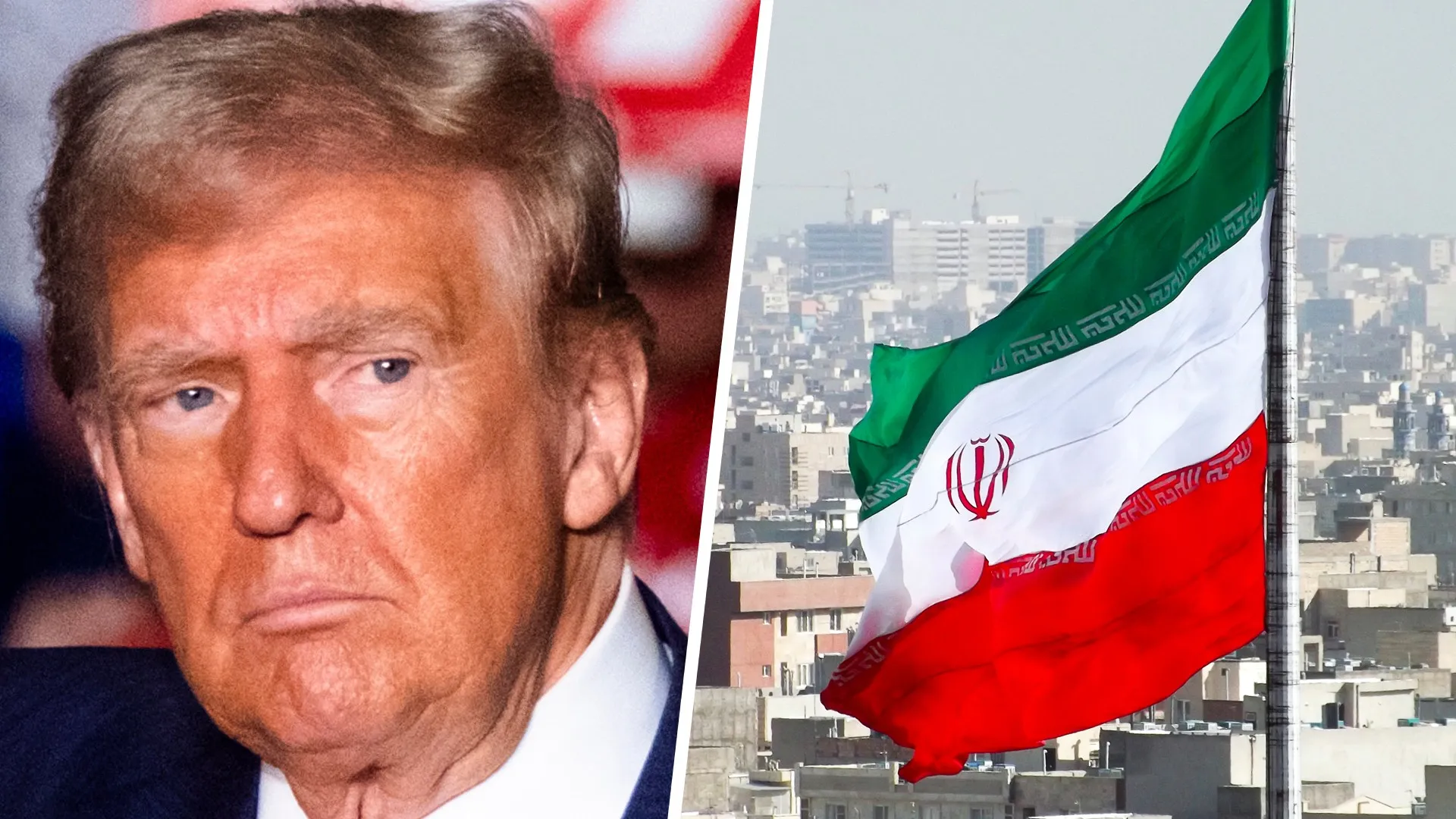
US President Donald Trump said on Tuesday that his administration had recently communicated with Iranian officials. However, he warned that American military strikes would continue until Iran agreed to a deal.
The comments suggested that diplomatic contact was taking place even as the conflict continued to intensify.
Trump Confirms Recent Talks With Iran
During an interview with Fox News, Trump said US representatives had spoken with Iranian officials as recently as one hour before he appeared on the network.
According to Trump, Iranian officials had expressed an interest in reaching an agreement.
Despite those discussions, the president made clear that military pressure would remain in place. He said the attacks would continue until he decided that the operation had achieved its objectives.
Trump also issued a direct warning to Tehran, urging Iran to reach a deal before suffering further damage.
US Strikes Could Continue Until an Agreement
Trump said the United States would not stop its attacks simply because diplomatic discussions had begun.
Instead, he linked any halt in military action to Iran accepting an agreement.
His comments highlighted the administration’s strategy of combining negotiations with continued military pressure.
The president did not provide detailed information about the terms Washington was demanding or how close the two sides were to reaching a possible settlement.
Iranian Oil Infrastructure Could Become a Target
Trump was also questioned about the possibility of an attack on Kharg Island, a strategically important centre for Iranian oil exports.
He said strikes against Iran’s oil infrastructure would be reserved for the final stage of the campaign.
However, Trump suggested that such attacks could eventually take place if the conflict continued.
Any military action against Iranian energy facilities could have significant consequences for global oil supplies and international energy prices.
Trump Raises Possibility of More Nuclear Site Strikes
The president also mentioned the possibility of further attacks on Iranian nuclear facilities.
He specifically referred to Pickaxe Mountain as a potential target.
Trump did not provide operational details or indicate when such an attack might occur.
Nevertheless, the remarks increased concerns that the conflict could expand beyond shipping routes and military installations to include critical energy and nuclear infrastructure.
Situation Room Meeting Discusses Wider Offensive
Trump held a meeting in the White House Situation Room on Tuesday to discuss military operations against Iran, according to a report from Axios.
The meeting reportedly focused on the possibility of launching a larger offensive.
Officials discussed whether the United States should expand its campaign beyond the current strikes concentrated around southern Iran and the Strait of Hormuz.
Such an escalation would represent a significant widening of the conflict and could increase the risk of further retaliation from Tehran.
CENTCOM Launches Fourth Day of Strikes
Trump’s remarks followed an announcement from US Central Command, also known as CENTCOM.
The military command said it had launched strikes against Iran for a fourth consecutive day.
According to CENTCOM, the operation was designed to weaken Iran’s ability to attack commercial vessels travelling through the Strait of Hormuz.
The command later confirmed that the fourth round of military action had been completed.
US Reinstates Naval Blockade
CENTCOM also restored a naval blockade against Iran.
Earlier in the day, Trump said the Strait of Hormuz would remain open to international shipping, with the exception of Iranian vessels.
The blockade added further pressure on Tehran and increased the risk of disruption across one of the world’s most important energy transport routes.
The Strait of Hormuz is a crucial passage for global oil and natural gas shipments. Therefore, prolonged instability in the region could have major consequences for energy markets.
Trump Withdraws Proposed Hormuz Shipping Fee
Trump had previously considered imposing a 20% charge on ships travelling through the Strait of Hormuz.
However, the president later abandoned the proposal.
He said the decision followed discussions with leaders from the Middle East.
Removing the planned fee reduced concerns about an immediate increase in shipping costs. Nevertheless, military activity around the waterway continued to threaten commercial traffic.
Iran Launches Retaliatory Attacks
Iran responded to the latest US strikes by launching attacks against American military bases in several Middle Eastern countries.
Tehran said the operations were retaliation for what it described as renewed US aggression.
Iranian officials also rejected claims that the Strait of Hormuz had been fully reopened to international shipping.
Meanwhile, reports indicated that Iranian forces continued targeting commercial vessels in and around the waterway.
Commercial Shipping Remains at the Centre of the Conflict
The latest escalation followed Iranian attacks on commercial ships travelling through the Strait of Hormuz.
Tehran had reportedly insisted that vessels could only cross the strategic waterway through routes approved by Iranian authorities.
The United States then launched fresh strikes against Iran in response to those attacks.
Iran retaliated, leading to a broader exchange of military action between the two countries.
Previous US-Iran Understanding Comes Under Pressure
The renewed fighting has largely weakened a memorandum of understanding reached between the United States and Iran in June.
That agreement had created hopes that both sides could reduce tensions and prevent a wider regional conflict.
However, continued attacks on commercial shipping, US airstrikes and Iranian retaliation have placed the arrangement under severe pressure.
Although diplomatic contact appears to be continuing, neither side has shown clear signs of ending military operations.
For now, the conflict remains centred on Iran, regional US military bases and the Strait of Hormuz. Any further escalation involving oil facilities, nuclear sites or major shipping routes could create significant risks for global energy markets and international security.