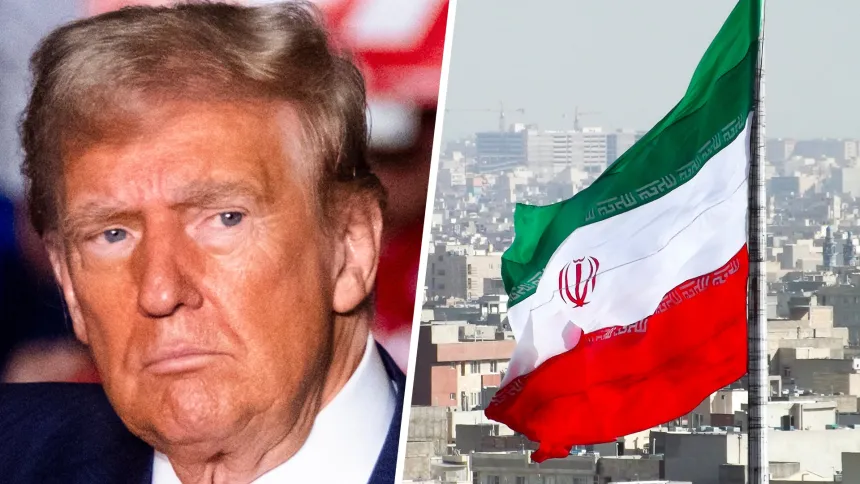
U.S. President Donald Trump’s senior aides are reportedly trying to prevent the Iran war from escalating further ahead of the November midterm elections.
According to Reuters, administration officials are pushing to contain the conflict amid concerns that a prolonged war could hurt Republican support at the polls.
However, tensions intensified again shortly afterward as Iran launched new missile and drone attacks against U.S. bases in Kuwait, according to Tehran-run Press TV.
Kuwaiti Armed Forces also said their air defense systems were intercepting hostile targets during the early hours of Thursday.
Trump Aides Reportedly Push to Contain Iran War
Reuters reported, citing four people familiar with the matter, that Trump’s advisers are seeking to limit the scale of the conflict before the November elections.
The goal is reportedly to reduce the political damage that a prolonged overseas war could cause for Republicans.
The conflict has now continued for more than six months and has faced growing criticism from U.S. voters.
Some Americans have accused the administration of focusing too heavily on the overseas conflict while giving less attention to domestic priorities.
White House Could Reassess Strategy After Election
According to the Reuters report, the White House could consider expanding military operations after the November 3 vote.
For now, however, senior officials appear focused on preventing a broader escalation.
Trump said on Wednesday that the renewed U.S. campaign against Iran would not continue for an extended period.
However, the war has already lasted significantly longer than his earlier estimate of four to six weeks.
Iran Launches Fresh Strikes on U.S. Positions
Military tensions between Washington and Tehran intensified again in late August.
The United States initially struck targets inside Iran near the Strait of Hormuz. That action triggered retaliation from Iran’s Islamic Revolutionary Guard Corps.
U.S. Central Command said the latest strikes were intended to reduce Iran’s ability to target activity around the Strait of Hormuz.
Iran has since launched several waves of missile and drone attacks against U.S. infrastructure across Gulf countries.
Tehran has also warned that additional attacks could follow.
U.S.-Iran Fighting Reaches New Level
The renewed clashes represent the most serious fighting between the United States and Iran since late July.
A temporary pause in hostilities had raised hopes that negotiations could reduce tensions.
However, those talks produced little progress, and military activity has since resumed.
The latest strikes have increased concerns that the conflict could widen further across the Gulf region.
Oil Markets React to Renewed Iran Tensions
Oil prices reduced some of their earlier losses on Thursday following the latest attacks.
Washington has maintained its naval blockade against Iran, while Tehran has repeated its claim that the Strait of Hormuz remains closed.
The waterway is one of the world’s most important energy routes.
Before the conflict, roughly one-fifth of global oil consumption passed through the Strait of Hormuz.
Recent shipping data suggests traffic through the area remains far below pre-war levels.
Strait of Hormuz Remains a Key Market Risk
The continued disruption around the Strait of Hormuz remains a major concern for global energy markets.
Any prolonged interruption to oil shipments could increase supply risks and put renewed upward pressure on crude prices.
Investors will therefore continue to watch military developments between the U.S. and Iran, along with any signs of diplomatic progress or further escalation.