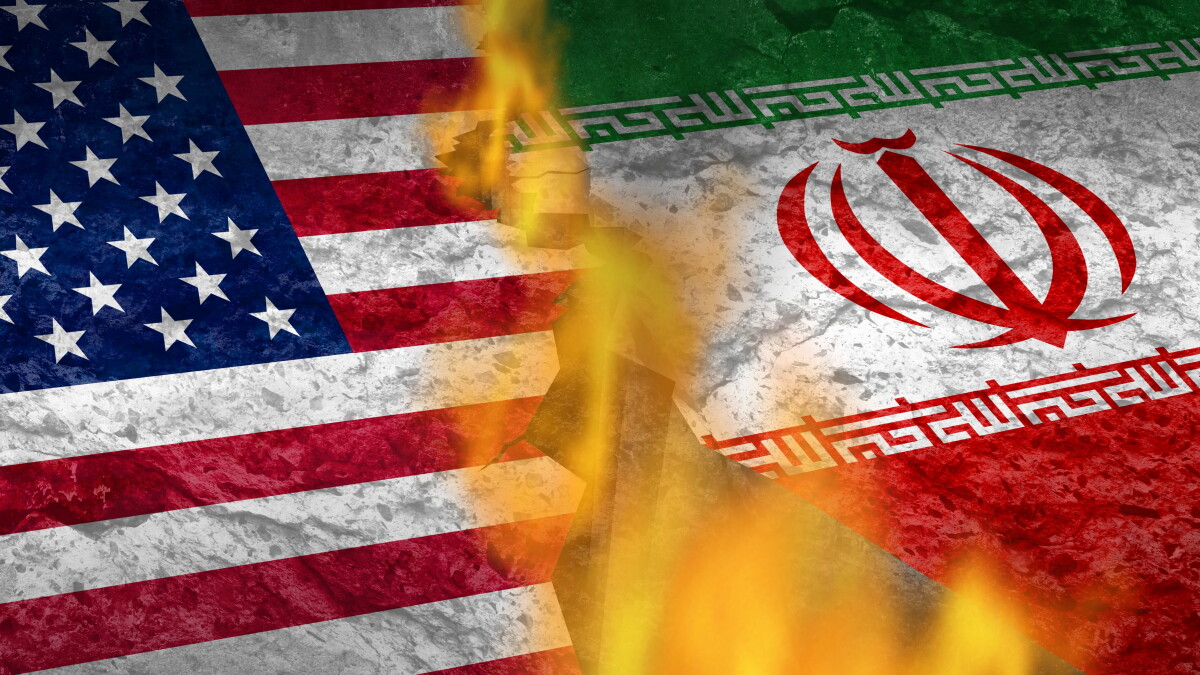
Senior advisers to U.S. President Donald Trump have privately discussed the possibility that the Iran war could continue through the remainder of his presidency, according to a Wall Street Journal report published on Wednesday.
The discussions reportedly include Vice President JD Vance and Secretary of State Marco Rubio. Advisers have considered scenarios in which the conflict extends beyond Inauguration Day in January 2029.
Private Warnings Contrast With Public Statements
The reported private discussions differ sharply from repeated public comments by Trump and members of his administration suggesting that the war may be nearing an end.
Trump told reporters on Wednesday that the conflict would end “immediately” after the November midterm elections.
However, the Wall Street Journal reported that senior officials have privately prepared for the possibility of a much longer military campaign.
The contrast has raised fresh questions about the expected duration of the U.S.-Iran conflict.
Trump Warns Iran Over Nuclear Facility
Trump also issued a new warning to Iran on Wednesday evening.
He said the United States could target Iran’s Pickaxe Mountain nuclear facility and warned Tehran against further escalation.
Washington has threatened possible strikes on Iranian nuclear infrastructure since at least July.
Trump previously ordered a major attack on Iranian nuclear sites in mid-2025. However, he has so far avoided authorizing a similar large-scale strike during the 2026 conflict.
Iran War Extends Beyond Initial Expectations
The U.S.-Iran war is approaching the seven-month mark in September.
That is significantly longer than Trump’s original expectation of a four-to-six-week military operation.
The prolonged conflict has also increased uncertainty across global financial and energy markets.
Oil prices climbed above $100 per barrel this week as renewed military action between the United States and Iran raised concerns about possible disruptions to Middle East energy supplies.
Higher Oil Prices Add Political Pressure
The economic effects of the war are becoming an increasingly important political issue in the United States.
Higher oil and fuel prices can contribute to rising transportation and household costs, putting additional pressure on consumers.
Trump and the Republican Party are facing growing public frustration over both the conflict and its effect on the cost of living.
Analysts have warned that these concerns could influence voter sentiment ahead of the November midterm elections.
Midterms Could Become Key Test for Trump
The midterm elections may therefore become an important political test for the Trump administration.
If the Iran war continues while energy prices remain elevated, voters could place greater focus on foreign policy, inflation and household expenses.
At the same time, any further military escalation could add to uncertainty surrounding both the duration of the conflict and its economic consequences.
For now, the reported discussions among Trump’s senior advisers suggest that Washington is preparing for the possibility that the Iran war could last much longer than officials initially expected.