US-Iran Talks Uncertain as Ceasefire Deadline Nears
Uncertainty surrounded renewed peace talks between the United States and Iran on Tuesday, as a temporary ceasefire approached its expiration. President Donald Trump accused Tehran of violating the agreement, while still suggesting that a potential deal could be reached.
The two-week ceasefire is set to expire later this week, although the exact timing remains unclear. Reports indicate the truce could end at 8 p.m. Eastern Time on Wednesday (midnight GMT Thursday).
Trump Accuses Iran but Signals Deal Optimism
Trump, who initially announced the ceasefire in early April, claimed that Iran had breached the agreement multiple times, though he did not provide further details.
Despite the accusations, he expressed confidence that the United States could secure a “great deal” with Iran, emphasizing that Washington remains in a strong negotiating position.
Diplomatic Efforts Intensify Ahead of Deadline
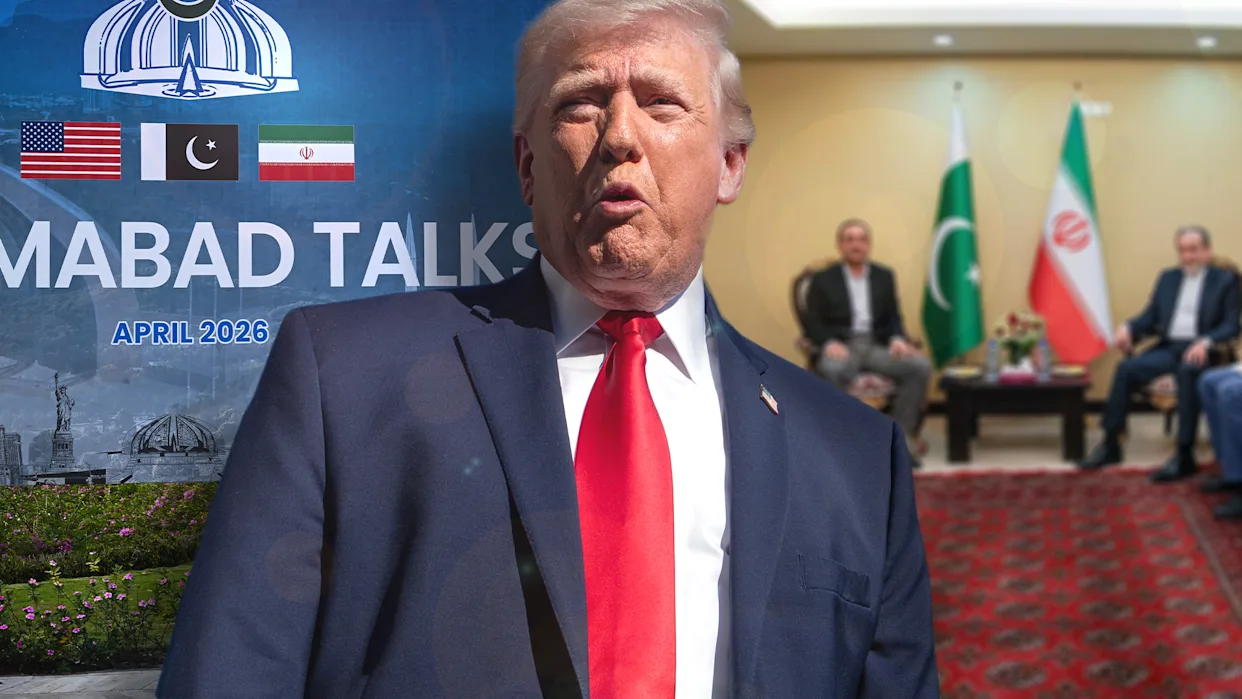
With the deadline approaching, Pakistan has been actively working to facilitate renewed negotiations between the two countries. The conflict originally escalated following joint U.S. and Israeli strikes on Iran earlier this year.
According to reports, both the U.S. and Iran have indicated a willingness to participate in talks in Islamabad, although official confirmation from Tehran remains pending.
While U.S. officials have expressed confidence that negotiations will proceed, Trump has indicated he does not support extending the current ceasefire. He has reiterated that any agreement must stabilize financial markets and include commitments from Iran regarding its nuclear program.
Military and Strategic Developments Continue
Tensions remain elevated, with the Pentagon confirming it has boarded a sanctioned tanker in the Indo-Pacific as part of efforts to disrupt maritime activity linked to Iran.
Meanwhile, uncertainty persists over who will lead the U.S. delegation. Some reports suggest Vice President JD Vance will head to Pakistan for negotiations, although previous statements from Trump raised doubts due to security concerns.
Strait of Hormuz Dispute Drives Market Volatility
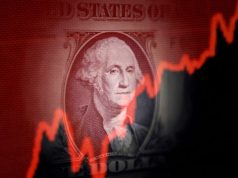
Iran has once again moved to close the Strait of Hormuz, a critical global oil route through which roughly 20% of the world’s supply passes. The prolonged disruption has driven oil prices higher, fueling concerns about inflation and slowing global economic growth.
Iran has used this leverage to push for a deal that would both prevent renewed U.S. military action and ease sanctions tied to its nuclear ambitions.
Conflicting Signals Weigh on Markets
Last week, Iran briefly reopened the strait to commercial shipping, boosting hopes for a diplomatic breakthrough and triggering a rally in global equities alongside a drop in oil prices.
However, renewed tensions over the weekend—after the U.S. seized an Iranian cargo vessel attempting to bypass a blockade—have reignited uncertainty. Trump described the blockade as a success, claiming that the U.S. now effectively controls the waterway, while Iran maintains that the strait remains closed.
Market Reaction Remains Mixed
U.S. stock futures pointed higher on Tuesday, while oil prices edged lower. However, recent gains in equity markets have slowed, and crude prices remain elevated compared to pre-conflict levels.