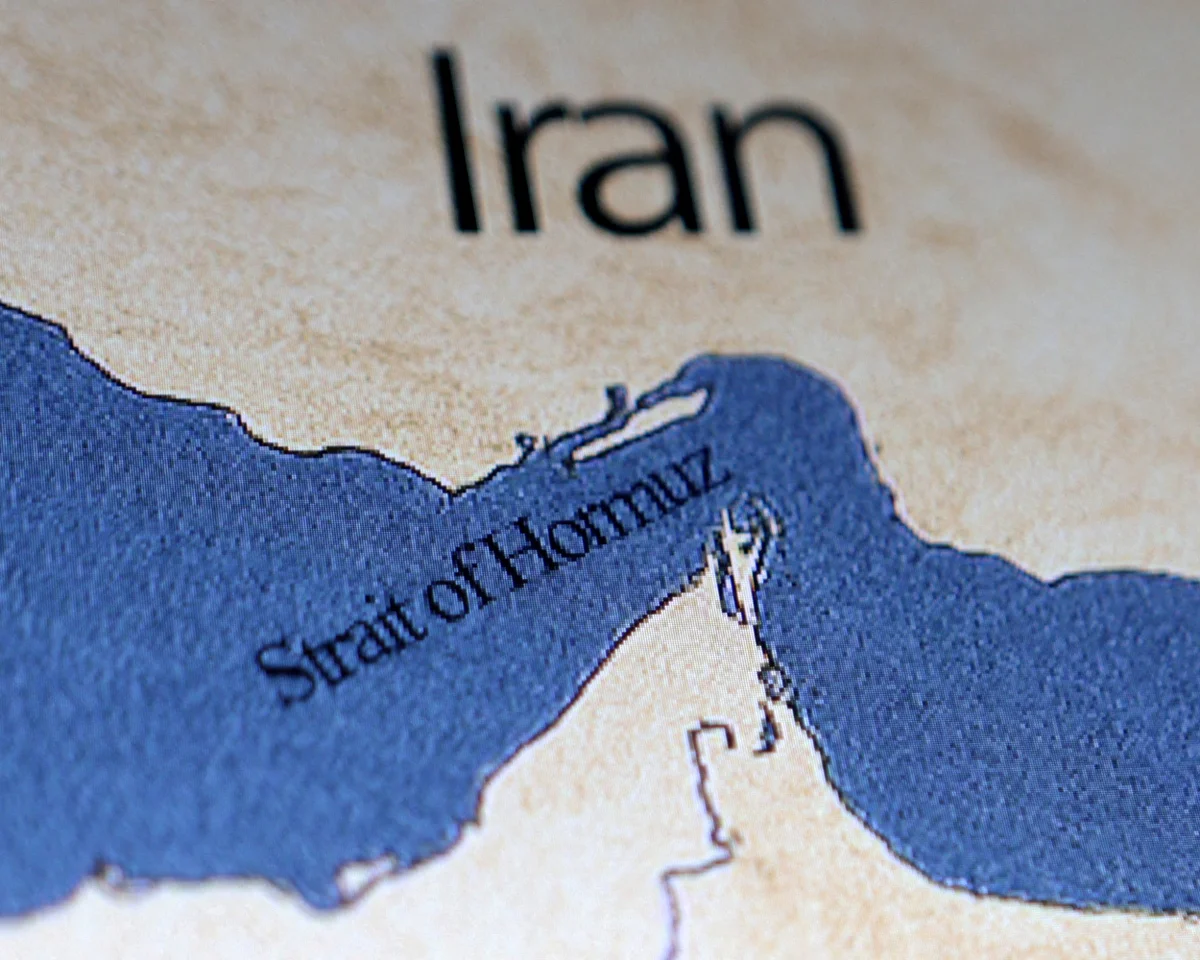
The U.S.-Iran conflict intensified over the weekend as Tehran reported new attacks involving a U.S.-operated drone boat and several commercial vessels in and around the Strait of Hormuz.
The latest claims followed U.S. strikes on three Iranian oil tankers, adding to concerns that the confrontation could further disrupt one of the world’s most important energy shipping routes.
Iran Says It Targeted U.S. Drone Boat
Iran’s Islamic Revolutionary Guard Corps said its naval forces attacked a remotely operated U.S. drone boat that was allegedly attempting to enter a protected area of the Strait of Hormuz.
The incident followed another confrontation on Saturday.
Iran said it launched ballistic missiles toward a U.S. aircraft carrier and a Navy destroyer during that exchange.
U.S. Central Command said the American vessels avoided the missiles and that no personnel were injured.
U.S. Strikes Iranian Oil Tankers
Washington responded by attacking three Iranian crude carriers.
U.S. Central Command said the strikes permanently disabled the M/T Downy and M/T Stark 1.
A third vessel, the unladen M/T Kylo, was also destroyed in the Gulf of Oman and later sank, according to CENTCOM.
The strikes marked another escalation in the widening confrontation between the United States and Iran.
U.S. Warns of Further Action Against Iranian Tankers
U.S. Defense Secretary Pete Hegseth warned that attacks on American vessels could trigger further strikes against Iranian oil tankers.
The warning raises the possibility of additional pressure on Iran’s energy exports if military tensions continue.
Any further attacks on commercial shipping could also increase risks for vessels moving through the Strait of Hormuz.
Iran Reports Attacks on Commercial Tankers
The IRGC separately said it targeted three oil tankers travelling through routes it described as unauthorized in the Strait of Hormuz.
Iran also claimed attacks against three vessels linked to the United States elsewhere in the region.
Iran’s Foreign Ministry condemned the U.S. tanker strikes and warned that Washington and its partners could be held responsible for further escalation.
Strait of Hormuz Disruption Hits Oil Exports
The conflict is adding pressure to already disrupted Middle East energy flows.
According to TankerTrackers, regional crude exports in August were 39% below levels recorded in January and February, when shipments averaged approximately 18.5 million barrels per day.
The export shortfall narrowed to about 7.2 million barrels per day in August, compared with 12.4 million barrels per day in May.
At that point, exports had fallen roughly 67% below pre-conflict levels.
Oil Market Remains Sensitive to Shipping Risks
The Strait of Hormuz remains a critical route for global oil and gas shipments.
Any sustained disruption could affect crude supply, shipping costs and global energy prices.
Brent crude was trading near $97.55 per barrel, reflecting continued concern over regional supply risks.
Energy traders are closely monitoring whether the conflict expands further or begins to affect more commercial vessels.
Diplomatic Talks Continue
Despite the escalation, diplomatic contacts continued.
Iranian Foreign Minister Abbas Araghchi held separate discussions with officials from Turkey and Saudi Arabia.
The talks focused on regional stability and developments surrounding the Strait of Hormuz.
Diplomatic efforts could become increasingly important if shipping disruptions continue to worsen.
Regional Conflict Spreads to Other Fronts
Tensions are also increasing elsewhere in the Middle East.
Israel launched new strikes in southern Lebanon after accusing Hezbollah of carrying out drone attacks.
The Israeli military also began surprise exercises designed to test readiness for a large-scale, multi-front conflict.
Fighting has also intensified in Yemen, where government forces reported gains against the Iran-aligned Houthis.
Strait of Hormuz Remains a Major Market Risk
The latest developments keep the Strait of Hormuz at the center of geopolitical and energy-market risk.
Investors are likely to remain focused on shipping security, Iranian oil exports and any further U.S. military action.
For crude oil and energy stocks, developments in the Gulf could remain one of the most important short-term market drivers.