Wall Street Moves Higher as Investors Weigh Inflation Data and Middle East Developments
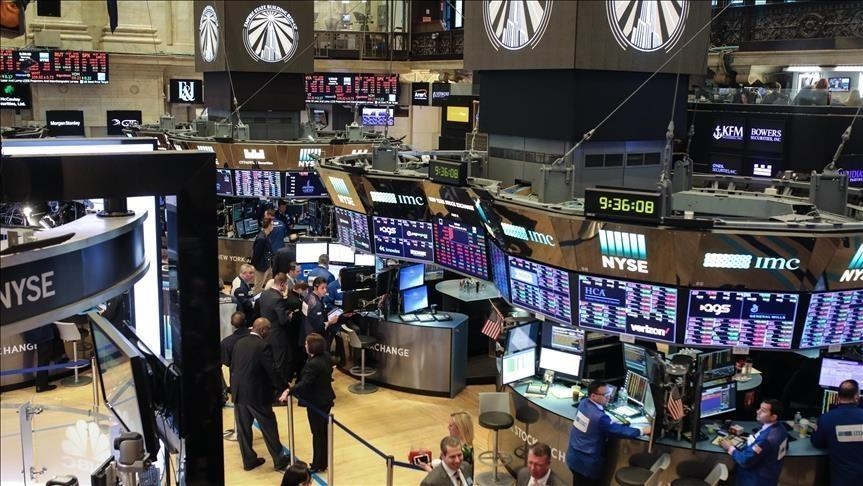
U.S. stocks traded modestly higher on Thursday as investors balanced encouraging signs of ongoing diplomatic efforts in the Middle East against fresh inflation data and renewed geopolitical uncertainty.
The gains followed a sharp selloff in the previous session, when escalating tensions between the United States and Iran triggered a broad decline across major equity markets.
By midday trading, the S&P 500 rose 0.4% to 7,294 points, while the Nasdaq Composite gained 0.4%. The Dow Jones Industrial Average outperformed, climbing 0.7% and recovering part of Wednesday’s losses.
Markets Recover After Previous Day’s Selloff
Wall Street came under significant pressure on Wednesday as investors reacted to worsening geopolitical tensions and concerns about the outlook for interest rates.
Technology stocks led the decline, with many investors reassessing the sustainability of artificial intelligence-related spending amid higher borrowing costs and growing economic uncertainty.
The rebound on Thursday reflected a more balanced market mood as investors digested both economic data and geopolitical headlines.
Producer Inflation Sends Mixed Signals
Investors closely analyzed the latest U.S. Producer Price Index (PPI) report for May.
Headline producer inflation rose 1.1% month-over-month, matching April’s revised figure and significantly exceeding economists’ expectations of a 0.7% increase.
On an annual basis, producer prices climbed 6.5%, marking the highest level since November 2022 and slightly surpassing market forecasts.
However, the underlying inflation picture was more encouraging.
Core PPI, which excludes volatile food and energy prices, increased 0.4% from the previous month and 4.9% year-over-year. Both readings came in below analyst expectations, suggesting that broader inflation pressures remain relatively contained despite rising energy costs.
Inflation Pressures Remain Concentrated in Energy
The PPI report echoed themes seen in Wednesday’s Consumer Price Index (CPI) release.
While higher energy prices continue to push headline inflation upward, there is limited evidence that those increases are spreading aggressively throughout the broader economy.
Several economists noted that businesses may be absorbing part of the cost increase through reduced profit margins, helping prevent a more significant pass-through into consumer prices.
This trend has eased some concerns that the Federal Reserve may need to react immediately to rising headline inflation figures.
Trump Escalates Rhetoric Against Iran
Investor attention also remained focused on developments in the Middle East.
President Donald Trump intensified his rhetoric toward Iran, stating that the United States would strike the country “very hard” and suggesting that Washington could eventually take control of Kharg Island, one of Iran’s most important oil export terminals.
Kharg Island plays a critical role in Iran’s energy sector and handles a large share of the country’s crude oil exports.
The comments briefly pushed oil prices higher before markets stabilized later in the session.
Diplomatic Efforts Continue Despite Ongoing Conflict
Despite the increasingly aggressive rhetoric, diplomatic channels remain active.
Media reports indicated that U.S. and Iranian officials continued negotiations overnight, even as military exchanges between the two countries persisted for a second consecutive day.
Reports also suggested that discussions are ongoing regarding a preliminary agreement that could include the release of frozen Iranian assets.
While military activity continues, some analysts believe both sides are still seeking to avoid a broader regional conflict.
Strait of Hormuz Remains a Major Concern
The latest escalation follows U.S. military strikes against several Iranian targets, which Washington described as defensive actions following the downing of an American helicopter near the Strait of Hormuz.
Iran responded with attacks targeting U.S. military facilities and allied positions across the Gulf region.
Tehran also claimed it had halted ship traffic through the Strait of Hormuz, although U.S. officials denied the assertion.
Because the waterway is responsible for transporting a significant portion of global oil exports, any disruption remains a key risk for energy markets and inflation expectations.
Oracle Drops Despite Strong Earnings
Among individual stocks, Oracle shares fell more than 11% despite reporting stronger-than-expected quarterly earnings.
Investors focused instead on the company’s plans to spend as much as $95 billion on capital expenditures during fiscal 2027, far above Wall Street forecasts.
Oracle also announced plans to raise approximately $40 billion through debt and equity financing, raising concerns about future profitability and execution risks.
The company continues to position itself as a major infrastructure provider for artificial intelligence applications and large-scale data centers.
AI Spending Concerns Continue to Pressure Technology Stocks
Concerns surrounding long-term AI spending trends intensified after reports suggested OpenAI may significantly reduce pricing for some of its services amid growing competition from rival AI firms.
The news added to recent pressure on major technology stocks and semiconductor companies, which have experienced increased volatility as investors reassess future growth expectations.
The technology sector has been one of the primary drivers behind recent market fluctuations.
SpaceX IPO Remains in Focus
Investors are also closely watching the expected public listing of SpaceX, which could take place on Friday.
With a potential valuation of approximately $1.75 trillion, the offering is expected to become the largest initial public offering in market history.
The highly anticipated debut continues to attract significant attention from both institutional and retail investors and remains one of the most closely watched events on Wall Street this week.