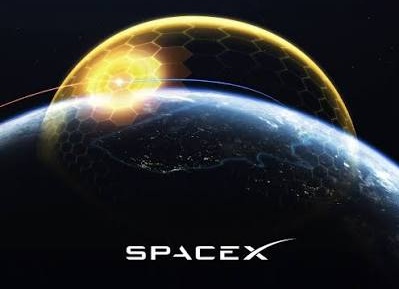
SpaceX has reportedly secured more than $8 billion in contracts connected to the Golden Dome program, giving the company a major role in the U.S. defense initiative.
The contracts represent at least one-third of the project’s overall allocated budget. SpaceX has been selected to provide military data satellites as well as launch services for the program.
SpaceX Expands Government Contract Portfolio
SpaceX has received billions of dollars in U.S. government contracts this year to manufacture and launch military satellites, according to a report from The Wall Street Journal.
The awards came despite efforts from lawmakers to create more opportunities for rival contractors to compete for the same work.
SpaceX already has an extensive history of working with the U.S. government and military on high-profile space and satellite projects.
Golden Dome Strengthens SpaceX’s Defense Role
The Golden Dome contracts further expand SpaceX’s position within the U.S. defense sector.
The company operates one of the world’s most active rocket-launch businesses and regularly sends satellites, government payloads and commercial cargo into orbit from multiple launch facilities.
Its established launch infrastructure and experience with military satellite missions have helped make SpaceX an important contractor for national security programs.
Administration Eases Some Regulatory Requirements
According to the report, the Trump administration has allowed SpaceX to avoid certain wireless-network requirements.
Government officials are also working to reduce some environmental review requirements associated with rocket launches.
These regulatory changes could make it easier for SpaceX and other space companies to expand launch activity and develop additional infrastructure.
Environmental Oversight Could Be Reduced
Federal transportation officials proposed changes in July that could reduce environmental oversight for some space-related activities.
The proposal would exempt certain rocket launches and spaceport development projects from regulations that currently require federal agencies to review environmental impacts and consider alternative approaches.
Supporters argue that faster approval processes could help strengthen the U.S. commercial and defense space sectors.
However, changes to environmental reviews could also attract scrutiny from groups concerned about the impact of increased launch activity.
FCC Approves SpaceX Spectrum Deal
SpaceX also received regulatory support from the Federal Communications Commission in May.
The FCC approved the company’s plan to purchase spectrum rights that could be used to connect mobile phones directly with satellites.
The commission also waived a requirement that the owner of the wireless spectrum maintain ground-based infrastructure capable of meeting certain nationwide cellular-service standards.
The FCC said keeping the requirement in place would create an unnecessary burden for SpaceX. It also argued that the company’s satellite network could help strengthen U.S. leadership in communications technology.
Elon Musk’s Political Connections Draw Attention
SpaceX founder Elon Musk has maintained close ties with President Donald Trump.
Musk campaigned alongside Trump during the previous election and later held an advisory role connected to the White House.
He has also indicated plans to spend at least $100 million supporting Republican candidates in the upcoming midterm elections.
These political connections have attracted additional attention as SpaceX continues to secure major government contracts.
SpaceX Becomes a Key Golden Dome Contractor
The latest awards highlight SpaceX’s growing importance to U.S. military and national-security infrastructure.
With more than $8 billion in Golden Dome contracts, the company is positioned to provide both satellite technology and launch capacity for one of the government’s largest emerging defense projects.
Investors and industry observers will likely continue watching how SpaceX’s expanding defense business develops, particularly as the government increases spending on satellite communications, missile defense and space-based military systems.