SpaceX IPO Pushes Elon Musk Beyond the Trillion-Dollar Milestone
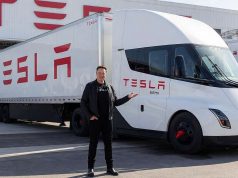
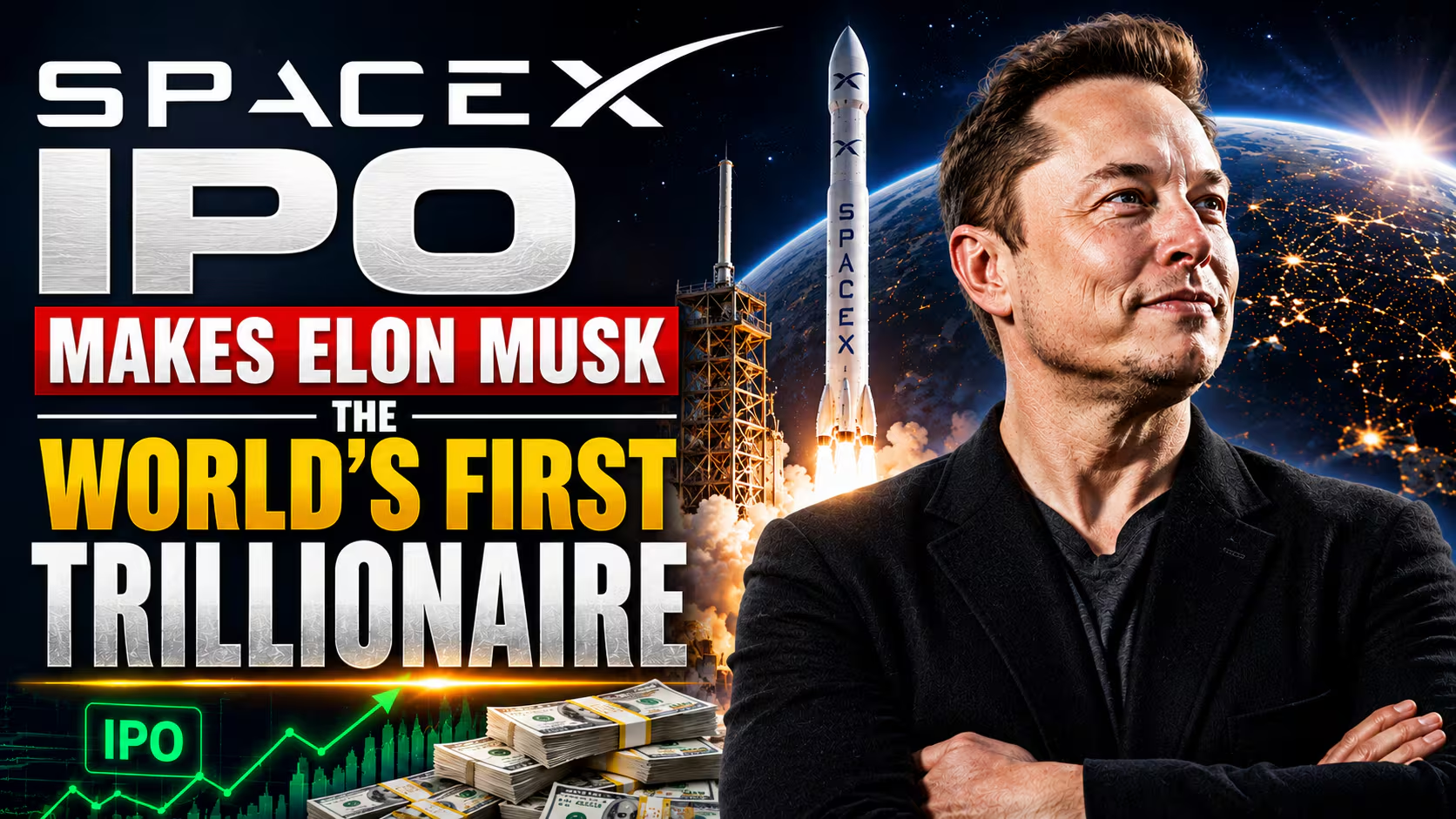
Few business leaders have captured public attention quite like Elon Musk. The entrepreneur behind SpaceX and Tesla has become one of the most recognizable figures in the world, building a fortune that now exceeds $1 trillion following SpaceX’s blockbuster initial public offering.
Despite growing concerns over wealth inequality and increasing criticism of billionaires, Musk has maintained a loyal global following. Supporters admire his outspoken personality and ambitious vision, while critics argue that his influence over business, technology, media, and politics has grown too powerful.
Record-Breaking SpaceX IPO
Investor enthusiasm for Musk’s ventures was on full display as SpaceX raised a record $75 billion in its IPO on Thursday. Before the share sale, Forbes estimated Musk’s wealth at approximately $780 billion, already making him the richest person in the world by a significant margin.
According to Forbes Wealth Deputy Editor Matt Durot, no other billionaire has come close to Musk’s level of wealth.
“The second-richest person has been worth around $300 billion, less than one-third of what Musk could potentially be worth,” Durot noted. He added that only Oracle founder Larry Ellison has ever approached the $400 billion mark.
SpaceX Becomes Musk’s Largest Asset
The majority of Musk’s fortune is now tied to SpaceX. His stake in the aerospace company is estimated to be worth roughly $866 billion.
Combined with his holdings in Tesla and other ventures, Reuters calculations based on company filings suggest Musk’s net worth will exceed $1.1 trillion once SpaceX shares begin trading. The estimate also includes stock awards that are expected to vest over time.
From Tesla Pioneer to Global Influencer
Musk first became a household name through Tesla and SpaceX before further expanding his influence with the $44 billion acquisition of Twitter in 2022.
The purchase transformed him into one of the most influential voices on social media, allowing him to communicate directly with hundreds of millions of users on topics ranging from technology and free speech to politics and immigration.
His political involvement became particularly controversial during his participation in U.S. President Donald Trump’s Department of Government Efficiency. The move drew criticism and coincided with weaker Tesla sales in several international markets as protests and consumer boycotts targeted the company.
The Rise of the “Elon Premium”
Born in Pretoria, South Africa, Musk studied at the University of Pennsylvania before launching a career that would reshape multiple industries.
As Tesla’s CEO, he helped accelerate the global transition toward electric vehicles, turning the company into the world’s most valuable automaker. Many analysts believe Tesla’s success forced traditional manufacturers to accelerate their own EV strategies.
Investors are now betting that Musk can achieve similar success in space exploration and artificial intelligence through SpaceX. However, many of the company’s most ambitious projects may require years or even decades before reaching full commercial viability.
Beyond Tesla and SpaceX, Musk has co-founded several other businesses, including Neuralink and The Boring Company, further expanding his influence across multiple sectors.
Muskonomy and Investor Confidence
The growing network of companies associated with Musk has become so influential that market observers have coined the term “Muskonomy” to describe it.
This ecosystem has also created what many investors call the “Elon premium” — a valuation boost driven not only by financial performance but also by confidence in Musk’s ability to deliver breakthrough innovations.
According to Matt Kennedy, Senior Strategist at Renaissance Capital, investing in SpaceX is largely a bet on Musk himself.
He argued that a valuation between $1.5 trillion and $2 trillion would be difficult to justify using traditional valuation models and would instead reflect investor belief in Musk’s long-term vision.
Governance Concerns and Political Influence
While investors remain enthusiastic, Musk’s growing influence has also raised questions about corporate governance, conflicts of interest, and the risks associated with concentrating so much power around a single individual.
Throughout his career, Musk has frequently clashed with regulators, journalists, short sellers, and government officials, often turning disputes into public battles on social media.
His relationship with President Donald Trump followed a similar path. After helping support Trump’s return to the White House and serving in an advisory capacity, Musk became one of the administration’s closest business allies before disagreements over policy led to a highly publicized split.
Although relations have since improved, the episode highlighted the increasingly blurred lines between Musk’s business empire and political influence.
Admirers See a Modern-Day Innovator
Despite the controversies, many investors continue to focus on Musk’s history of transforming ambitious ideas into highly successful businesses.
JPMorgan Chase CEO Jamie Dimon recently praised Musk’s contributions to innovation, comparing him to some of history’s most influential inventors and scientists.
For supporters, Musk represents a rare entrepreneur capable of reshaping entire industries. For critics, his growing influence remains a source of concern. Either way, the SpaceX IPO has cemented his place as the world’s first trillionaire and one of the most influential business figures of the modern era.