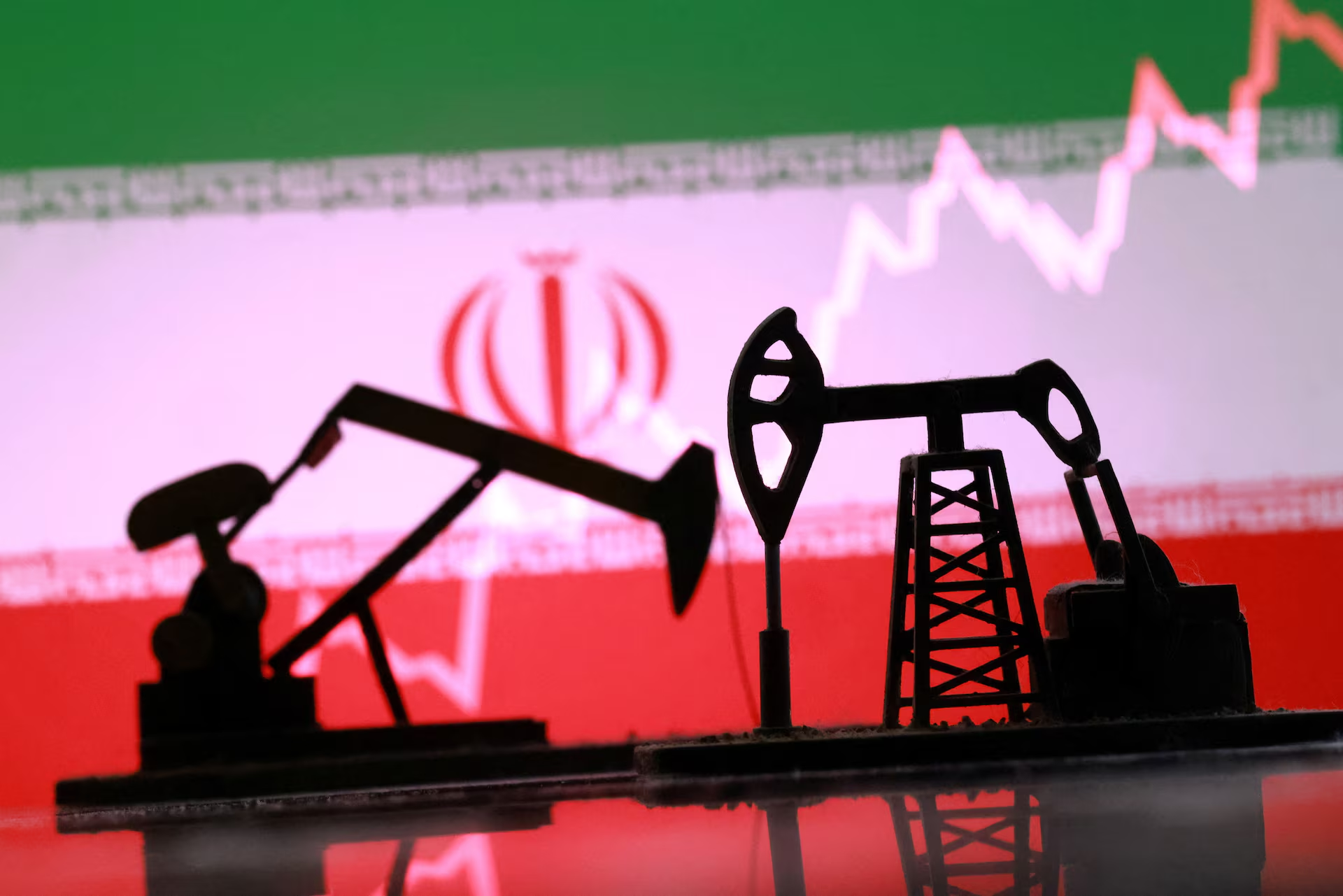
Oil Prices Reach a Six-Week High
Oil prices climbed to their highest levels in around six weeks on Wednesday as investors assessed the escalating conflict between the United States and Iran.
Growing threats to major Middle East shipping routes also increased fears of disruptions to global energy supplies.
At 04:12 ET, September Brent crude futures rose by 3.4% to $94.13 per barrel. U.S. West Texas Intermediate crude futures gained 3.7% to reach $87.42 per barrel.
Both oil benchmarks were heading for a fourth consecutive daily gain. Brent and WTI were trading near their highest levels since June 11 and had risen during six of the previous seven sessions.
U.S. Extends Military Campaign Against Iran
U.S. forces said they completed an eleventh consecutive night of strikes against Iranian military targets early on Wednesday.
The attacks targeted missile and drone launch sites, air defence systems, command centres and other military infrastructure.
The latest operation suggested that Washington was intensifying its campaign against Tehran. However, regional mediators continued trying to revive diplomatic efforts aimed at ending the conflict.
Mixed Signals Emerge Over Iran Diplomacy
President Donald Trump expressed little optimism about negotiations on Tuesday, saying the United States had no interest in meeting with Iran.
Secretary of State Marco Rubio offered a more diplomatic message on Wednesday. He said Washington remained committed to negotiations but accused Tehran of violating an agreement involving shipping through the Strait of Hormuz.
Meanwhile, Iran continued retaliatory attacks against U.S. military positions across the Middle East. The reported targets included facilities in Bahrain, Kuwait and Jordan.
Houthi Blockade Threatens Red Sea Shipping
Investors also monitored Yemen’s Iran-aligned Houthi movement after it threatened to impose a naval blockade on shipping linked to Saudi Arabia.
The warning affected traffic in the Red Sea and prompted some oil tankers to change their routes.
Saudi Arabia is one of the world’s largest crude exporters. Therefore, any disruption to its shipping operations could have a significant effect on global oil supplies.
ING analysts said tankers could be forced to enter and leave the Red Sea through the Suez Canal. Such a change would increase both journey times and transportation costs for shipments travelling toward Asia.
Strait of Hormuz Disruptions Add to Supply Risks
The Houthi threat came as maritime activity was already under pressure near the Strait of Hormuz.
The strategic waterway is one of the most important routes for international oil shipments. Continued military activity in the region has raised concerns that tanker movements could face further restrictions.
Any prolonged disruption could reduce available crude supplies and push energy prices higher.
Kazakhstan Oil Exports Face New Problems
Fresh interruptions to Kazakhstan’s crude exports added another layer of uncertainty to the oil market.
The Caspian Pipeline Consortium suspended oil-loading operations following repeated attacks on tankers at its Russian export terminal.
The disruption affected shipments through the Black Sea and increased concerns about supply losses outside the Middle East.
ING analysts said the combination of Persian Gulf disruptions, threats to Saudi exports and problems in the Black Sea suggested that Brent crude could still be undervalued.
They added that the market impact could become more serious if the disruptions continue into August.
U.S. Crude Inventories Unexpectedly Increase
Oil prices remained elevated despite an unexpected increase in U.S. crude inventories.
The American Petroleum Institute reported that commercial crude stocks rose by 2.603 million barrels during the previous week.
Analysts had expected inventories to decline by around 1.5 million barrels.
The increase marked the first weekly inventory build in two weeks and suggested that domestic oil supplies were stronger than markets had anticipated.
Official U.S. Inventory Data in Focus
Investors will now turn their attention to official inventory figures from the U.S. Energy Information Administration.
A larger-than-expected increase in crude stocks could place some pressure on oil prices.
However, geopolitical risks are likely to remain the main influence on the market. Further attacks, shipping restrictions or export disruptions could continue supporting Brent and WTI prices.