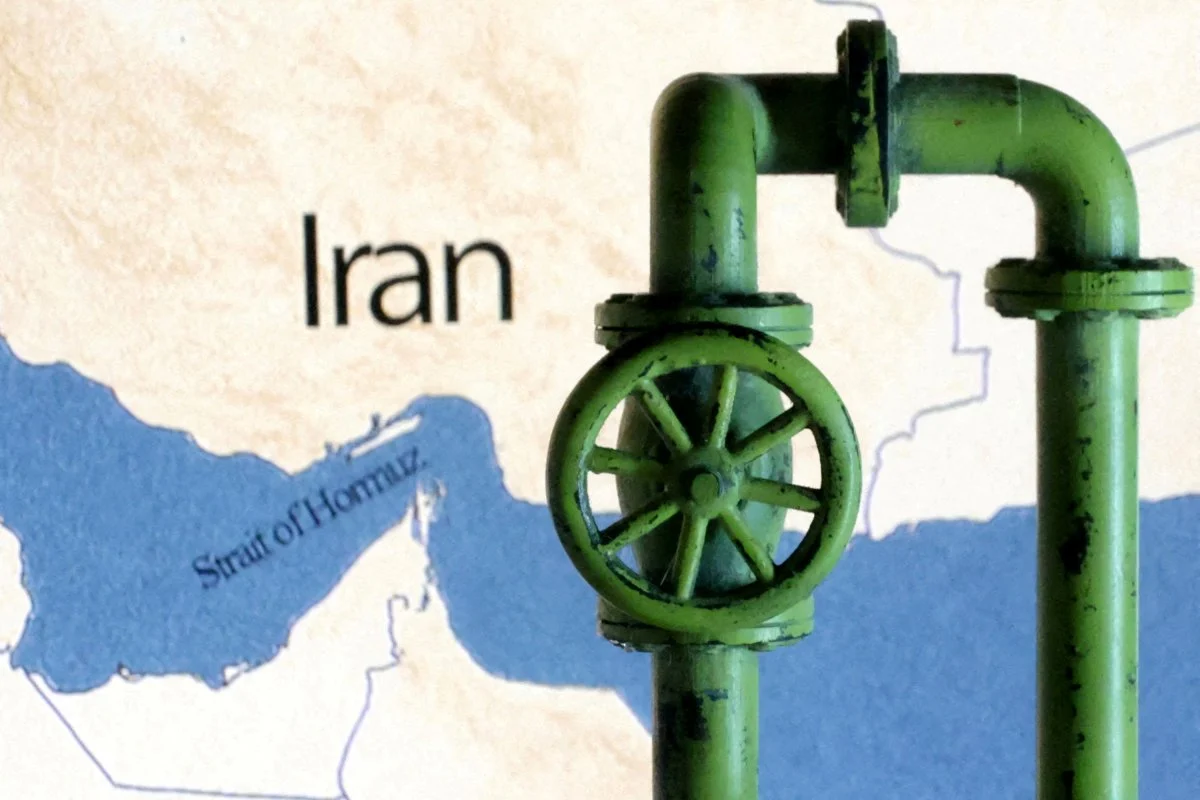
Oil prices fell sharply on Monday after the United States and Iran reached an interim peace agreement. The deal aims to end months of conflict in the Middle East and reopen the Strait of Hormuz.
The announcement reduced concerns about prolonged disruptions to global oil supplies.
Brent and WTI Oil Prices Fall More Than 5%
At 06:33 ET, Brent crude futures had declined by 5% to $82.98 per barrel. Brent serves as the main benchmark for global oil prices.
Meanwhile, U.S. West Texas Intermediate crude futures dropped by 5.3% to $80.35 per barrel.
The latest declines extended losses from the previous week. They also pushed both crude oil benchmarks to their lowest levels since March 10.
U.S. and Iran Reach Interim Peace Agreement
The United States and Iran have agreed to an interim deal that could end a war lasting more than three months.
The conflict had threatened global economic growth by disrupting energy markets and increasing inflation risks.
Pakistan, which frequently acted as a mediator during the negotiations, said a memorandum of understanding would be signed in Switzerland on Friday.
Pakistani Prime Minister Shehbaz Sharif said both countries had agreed to immediately and permanently end military operations across all fronts, including Lebanon.
Details of the Agreement Remain Limited
Neither Washington nor Tehran has released the complete terms of the peace agreement.
Iran has also indicated that the deal will not take effect until the memorandum is formally signed.
Uncertainty had surrounded the negotiations after Israel carried out attacks against the Iran-backed Hezbollah militia in Lebanon over the weekend.
The strikes prompted a strong response from U.S. President Donald Trump, who criticized Israeli Prime Minister Benjamin Netanyahu.
Strait of Hormuz Expected to Reopen
Trump said the agreement would end hostilities and reopen the Strait of Hormuz.
The waterway, located near Iran’s southern coast, is one of the most important routes for global energy shipments. Before the conflict began in late February, around one-fifth of the world’s oil passed through the Strait.
Trump said the route would reopen on Friday. He explained that the delay was necessary to complete mine-clearing operations.
The U.S. president also said Washington would lift its naval blockade of Iranian ports.
Supply Disruptions Previously Sent Oil Above $120
Shipping disruptions, higher insurance costs and fears of long-term supply shortages had pushed oil prices sharply higher during the crisis.
At the height of the conflict, Brent crude climbed above $120 per barrel. Before the war began, the global benchmark had traded near $70.
The possible restoration of shipping routes and energy exports has now encouraged traders to remove part of the geopolitical risk premium built into crude oil prices.
Analysts Remain Cautious About Further Declines
Despite the peace agreement, some analysts doubt that oil prices will quickly return to their pre-war levels.
Geopolitical risks remain elevated, while damaged supply chains and shipping networks may require time to recover.
ING analysts said financial markets had responded positively to the possibility of peace and renewed energy flows from the Gulf.
However, they questioned whether those developments would be enough to produce a lasting and substantial decline in global energy prices.