Kevin Warsh to Take Office as Fed Chair Amid Rising Inflation Concerns
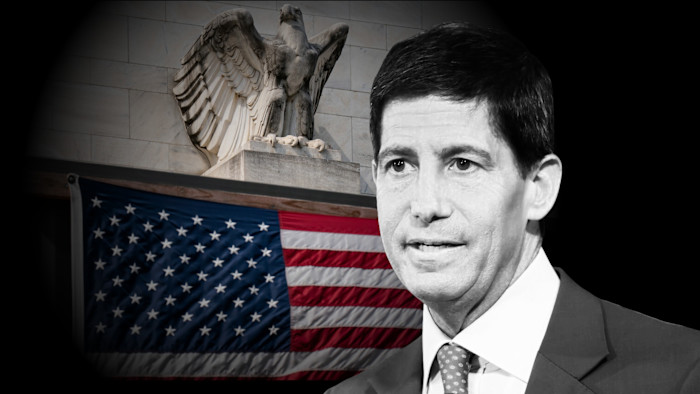
Kevin Warsh is set to be officially sworn in as the new chair of the Federal Reserve on Friday by Donald Trump at the White House.
Warsh takes over leadership of the U.S. central bank during a challenging period marked by elevated inflation, rising energy costs and increasing uncertainty over future interest rate policy.
Kevin Warsh Replaces Jerome Powell as Fed Chair
Warsh succeeds Jerome Powell, whose eight-year term as Federal Reserve chair officially ended on Friday.
Although Powell stepped down from the leadership role, he plans to remain on the Federal Reserve Board of Governors while issues surrounding an investigation into renovation cost overruns at the Fed’s Washington headquarters continue to be resolved.
Powell temporarily served as acting chair to avoid a leadership gap before Warsh’s formal appointment.
Senate Approval Followed Investigation Into Powell
Warsh’s confirmation process faced temporary delays because of the investigation involving Powell and renovation expenses at the Federal Reserve.
However, after concerns raised by a Republican senator were addressed, the U.S. Senate approved Warsh’s nomination on May 13 in a vote largely split along party lines.
His confirmation clears the way for a major leadership transition at one of the world’s most influential financial institutions.
New Fed Leadership Faces Persistent Inflation Challenges
Warsh returns to the Federal Reserve at a difficult moment for monetary policy.
Inflation in the United States remains well above the central bank’s 2% target, increasing pressure on policymakers deciding whether interest rates should remain elevated.
Economists argue that inflation has been influenced by multiple factors, including higher import costs resulting from tariffs and rising global energy prices linked to geopolitical tensions in the Middle East.
Iran Conflict and Energy Prices Add Pressure to Inflation
The ongoing conflict involving Iran has contributed to sharp increases in global energy prices, raising concerns that inflation could remain stubbornly high.
Higher oil prices often increase costs across transportation, manufacturing and consumer goods, creating broader inflationary pressure throughout the economy.
These developments have complicated expectations for potential Federal Reserve interest-rate cuts that financial markets had previously anticipated.
Markets Expect Interest Rates to Stay Unchanged in June
Recent stronger-than-expected inflation readings triggered volatility in bond markets, with investors increasingly pricing in the possibility that interest rates could remain high for longer.
Interest rate futures currently suggest almost no probability of a rate change at the Federal Reserve’s June meeting, leaving the benchmark policy rate expected to remain between 3.50% and 3.75%.
Warsh’s first policy meeting as chair is scheduled for mid-June and could become an important test of his leadership approach.
Growing Hawkish Pressure Inside the Federal Reserve
Warsh may face increasing pressure from policymakers advocating a tougher stance against inflation.
Austan Goolsbee noted that services inflation remains elevated and emphasised the need for clear guidance from the new Fed chair.
Goolsbee also spoke positively about Warsh, referencing their shared experience during the 2007–2009 financial crisis and expressing confidence in the new chair’s ideas and leadership.
Financial Markets Watch Closely for Policy Direction
With inflation concerns intensifying and geopolitical risks continuing to affect global markets, investors will closely monitor Warsh’s early decisions.
The direction of Federal Reserve policy under his leadership could influence borrowing costs, stock markets, bond yields and broader economic conditions in the months ahead.