Iran’s Supreme Leader Says Enriched Uranium Must Remain Inside the Country
Iran’s Supreme Leader, Ayatollah Mojtaba Khamenei, has reportedly ordered that the country’s highly enriched uranium — described by sources as approaching weapons-grade levels — must not be transferred abroad, according to a Reuters report citing two senior Iranian officials.
The reported directive could complicate ongoing diplomatic efforts aimed at reaching a peace agreement between Iran, the United States, and Israel.
Trump Reportedly Assured Allies Iran’s Uranium Would Leave Under Peace Deal
According to the report, U.S. President Donald Trump has reassured Israeli allies that Iran’s stockpile of enriched uranium would be removed from the country under any finalized peace agreement.
Iran’s nuclear program remains one of the most sensitive issues in negotiations, with Washington continuing to oppose the possibility of Iran obtaining nuclear weapons capability.
The differing positions may create additional obstacles in efforts to secure a long-term resolution.
Fragile Ceasefire Persists Despite Limited Diplomatic Progress
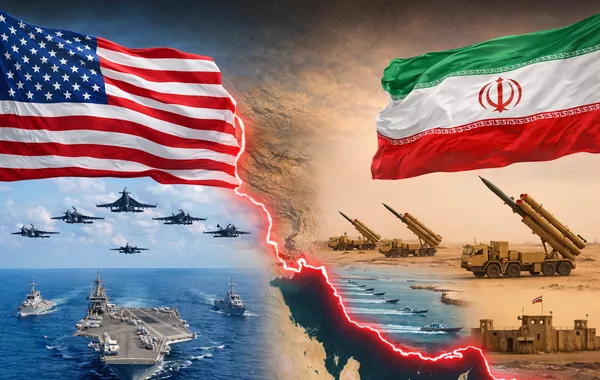
A fragile ceasefire has remained in place since military conflict involving the United States, Israel, and Iran escalated earlier this year.
Attempts to resolve tensions through diplomacy have so far produced limited progress, while uncertainty around negotiations continues.
President Trump previously stated that discussions had entered the “final stages”, suggesting optimism around a possible agreement.
Trump Warns Military Action Remains Possible if Talks Fail
Despite signaling confidence in negotiations, Trump also warned that further military measures could follow if a peace agreement is not achieved.
Earlier this week, Trump said he had postponed a planned military operation against Iran, adding that diplomatic discussions were progressing positively.
However, he indicated the United States was only prepared to wait several more days before reassessing its approach if negotiations stalled.
The mixed messaging has reinforced uncertainty surrounding the conflict’s outcome.
Iran Says It Is Reviewing U.S. Proposals While Remaining Prepared to Respond
Iran confirmed it is reviewing Washington’s latest proposals aimed at ending hostilities.
At the same time, Iranian officials warned the country remains prepared to respond forcefully to any additional strikes.
The statements highlight continued tension despite ongoing diplomatic engagement.
Iran’s Nuclear Program Remains Central to Peace Negotiations
Iran’s uranium enrichment activities continue to represent one of the largest sticking points in negotiations.
Trump reiterated that the United States cannot allow Iran to develop nuclear weapons capabilities, maintaining a position that has shaped diplomatic discussions for years.
The issue remains closely linked to any future agreement involving sanctions relief, security guarantees, and regional stability.
Strait of Hormuz Traffic Remains Disrupted as Conflict Continues
The Strait of Hormuz, a critical route for global oil transportation, remains heavily affected by the conflict.
Shipping traffic through the waterway has reportedly stayed well below pre-conflict levels, reflecting continued instability.
Reports also suggested Iran may seek to introduce transit fees or tolls for vessels using the Strait, with the proposal included in broader negotiation discussions.
Because roughly 20% of global oil supplies pass through the channel, developments surrounding the Strait of Hormuz continue to influence energy markets worldwide.