Gold prices moved higher on Tuesday as encouraging comments about Middle East negotiations pushed oil prices sharply lower. The decline in energy prices helped ease concerns about inflation and the possibility of further interest rate increases.
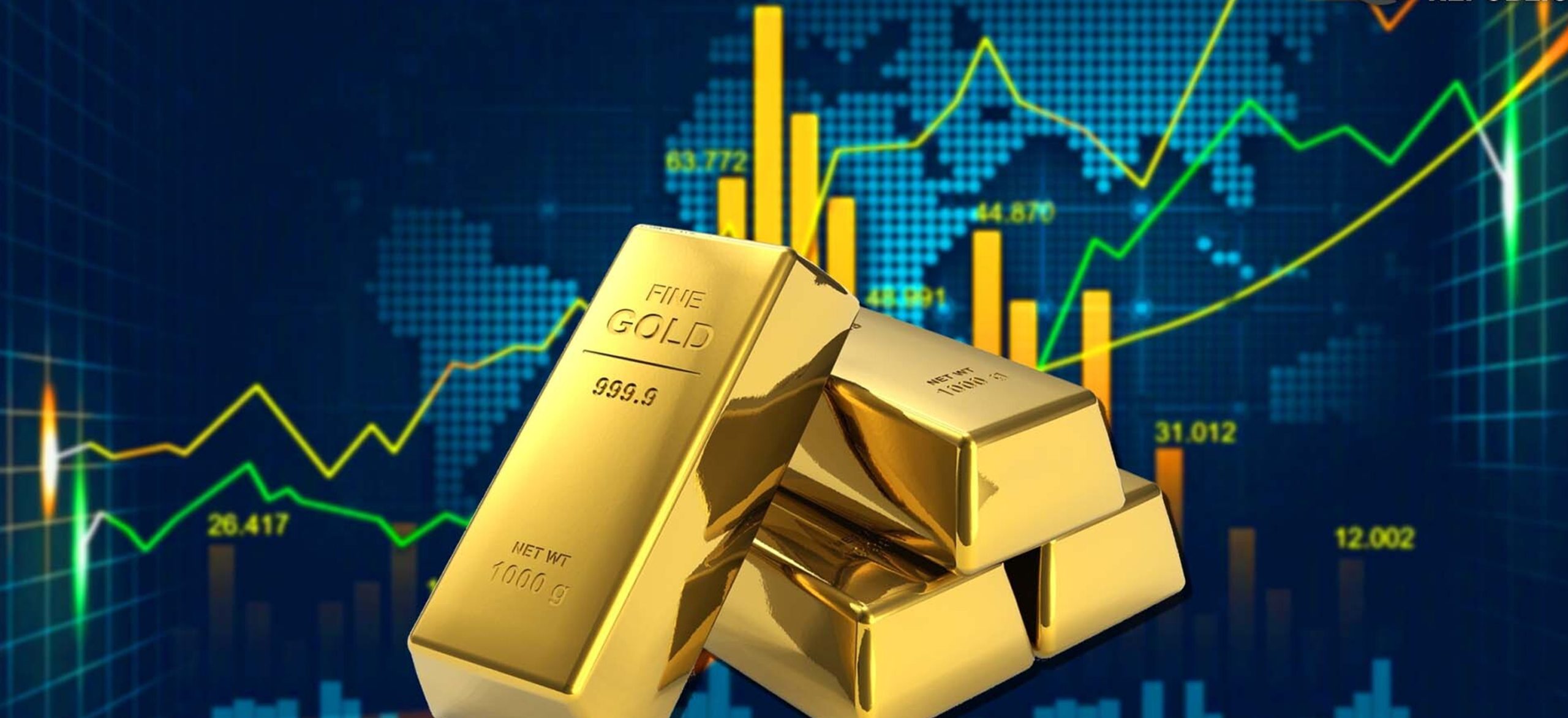
Spot gold gained 0.6% to $4,080.63 per ounce by 08:37 ET. Meanwhile, U.S. gold futures advanced 1.2% to $4,138.00 per ounce.
Gold Remains Near the $4,000 to $4,100 Range
Despite the latest increase, spot gold remained within its recent trading range of approximately $4,000 to $4,100 per ounce.
Investors continued to assess mixed reports from the United States and Iran regarding efforts to reopen the Strait of Hormuz.
The waterway is essential to global energy markets. Any prolonged disruption could drive oil prices higher and trigger another wave of inflation.
Higher inflation could then encourage central banks, particularly the Federal Reserve, to increase borrowing costs.
Higher Interest Rates Could Pressure Bullion
Gold does not generate interest or dividend income. Therefore, its appeal often weakens when interest rates rise and interest-bearing investments become more attractive.
Recent concerns about tighter monetary policy had limited gold’s upside. However, falling oil prices offered some relief by reducing immediate inflation risks.
Oil Prices Reverse Earlier Gains
Positive headlines surrounding diplomatic negotiations caused crude oil prices to erase gains recorded earlier in the session.
Brent crude futures fell 1.8% to $82.23 per barrel after rising more than 2.5% earlier in the day.
U.S. West Texas Intermediate crude futures dropped 2.6% to $78.24 per barrel.
Lower energy prices could reduce pressure on consumer inflation and make additional central bank rate hikes less likely.
U.S. Signals Possible Progress With Iran
U.S. Treasury Secretary Scott Bessent said he believed Washington and Tehran were approaching an agreement.
According to Bessent, a deal could potentially be reached soon to reopen the Strait of Hormuz and move the conflict toward more normal conditions.
His comments supported hopes that diplomatic progress could reduce military tensions and restore energy shipments through the important waterway.
Qatar Pushes for a Diplomatic Solution
Qatar also said efforts to reach a diplomatic resolution remained active.
Media reports suggested that negotiations were focused on reducing tensions and reopening the Strait of Hormuz.
Qatar has acted as a regional mediator between the United States and Iran. Reports indicated that language for a possible agreement had already been drafted and circulated among negotiators.
However, no formal agreement for direct talks had been reached. Qatar was reportedly focusing on securing a short-term resolution.
Conflicting Statements Create Uncertainty
Earlier in the week, U.S. President Donald Trump said renewed negotiations with Iran would begin soon.
Iranian officials denied that such talks were taking place, adding further uncertainty to the diplomatic outlook.
Tehran did confirm that discussions with Oman were continuing regarding the Strait of Hormuz.
Nevertheless, shipping traffic through the waterway remained limited, while military tensions across the Gulf stayed elevated.
U.S. Dollar Stabilizes
The U.S. dollar index was broadly steady after weakening earlier in the week following a coordinated yen-buying intervention.
A stronger dollar can make gold more expensive for buyers using other currencies. As a result, movements in the greenback often influence demand for bullion.
U.S. Jobs Data and Fed Policy Move Into Focus
Investors are now preparing for several important U.S. labor market reports.
These include the ADP private payrolls report and Friday’s closely watched nonfarm payrolls figures.
The data could provide further clues about whether the Federal Reserve will need to raise interest rates again this year after leaving borrowing costs unchanged at its latest meeting.
Several Fed officials have recently supported tighter monetary policy. New York Fed President John Williams also indicated that policymakers could increase rates if inflation remains persistent.
Analysts at ING said uncertainty over the future policy path remained high as investors balanced continuing inflation risks against signs of slowing economic momentum.
For gold, the near-term outlook may depend on developments in U.S.-Iran negotiations, oil prices, the dollar and expectations surrounding Federal Reserve policy.