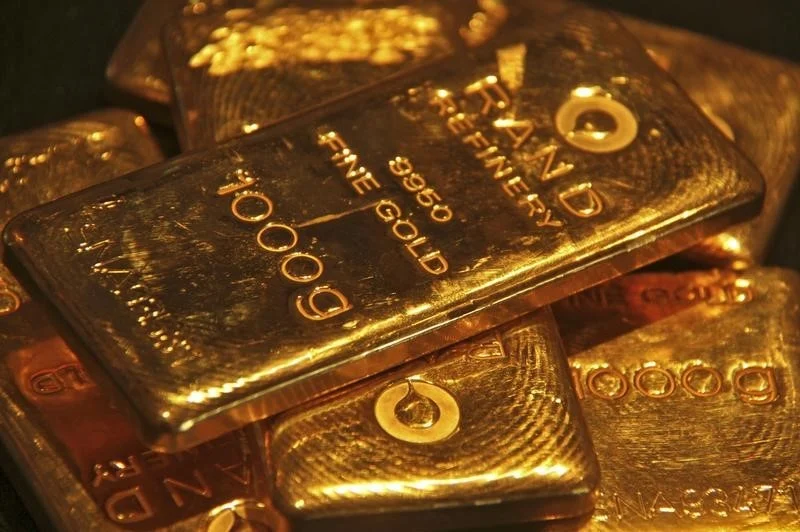
Gold prices moved higher on Tuesday as easing oil prices reduced some concerns about energy-driven inflation and the risk of faster monetary tightening.
By 09:42 ET, spot gold had gained 0.5% to $4,158.55 per ounce, while gold futures were up 0.7% at $4,185.80.
Gulf Oil Flows Recover
Oil exports from the Gulf have improved significantly in recent weeks.
Shipping data cited by Reuters showed that Gulf exporters exceeded pre-war export levels for roughly half of September.
Kpler data indicated that the seven-day moving average of regional crude exports reached 18.3 million barrels per day on September 30.
Export volumes also surpassed levels seen before the Iran war for 14 days during the month.
Strait of Hormuz Risks Remain
The recovery in oil flows comes despite continued security risks in the region.
Iran had effectively restricted traffic through the Strait of Hormuz after the conflict began, disrupting one of the world’s most important energy shipping routes.
Before the war, around one-fifth of global oil and liquefied natural gas shipments moved through the strait.
Tensions have also spread to other parts of the Gulf, including Yemen.
Iran-backed Houthi forces and Saudi-aligned groups continue to compete for influence around the Bab el-Mandeb Strait, another major global shipping route.
Lower Oil Prices Ease Inflation Pressure
Improving Gulf exports, together with plans by Group of Seven countries to release emergency energy reserves, have helped ease fears over supply shortages.
Brent crude futures moved slightly lower, with prices trading near $99.50 per barrel.
Lower oil prices could reduce inflationary pressure by limiting the impact of higher energy costs on businesses and consumers.
This could also reduce pressure on central banks to raise interest rates aggressively.
Fed Rate Expectations Shift
Recent U.S. employment data has also supported expectations for a more cautious Federal Reserve.
Markets increasingly expect the Fed to leave rates unchanged at its October meeting before potentially raising borrowing costs in December.
Investors will also monitor the minutes from the Fed’s September meeting for more clues about the central bank’s policy outlook.
That meeting marked the first U.S. interest rate increase in three years.
Lower Rates Could Support Gold
A delay in further rate hikes could benefit gold prices.
Gold does not generate interest, so lower borrowing costs typically reduce the opportunity cost of holding the precious metal.
A decline in U.S. Treasury yields also provided additional support after a recent bond market selloff.
Meanwhile, the U.S. Dollar Index weakened slightly, making gold more attractive to buyers using other currencies.
Gold Recovers as Rate-Hike Bets Fall
ANZ analysts said gold has recovered from last week’s sharp decline as investors reassess global fiscal risks.
They also pointed to weaker U.S. payroll data, which has reduced expectations for an immediate Federal Reserve rate hike.
Markets now assign roughly a 20% probability to an October rate increase, down from about 70% a week earlier.
For now, easing oil prices, lower Treasury yields and reduced expectations for aggressive Fed tightening are providing support for gold.