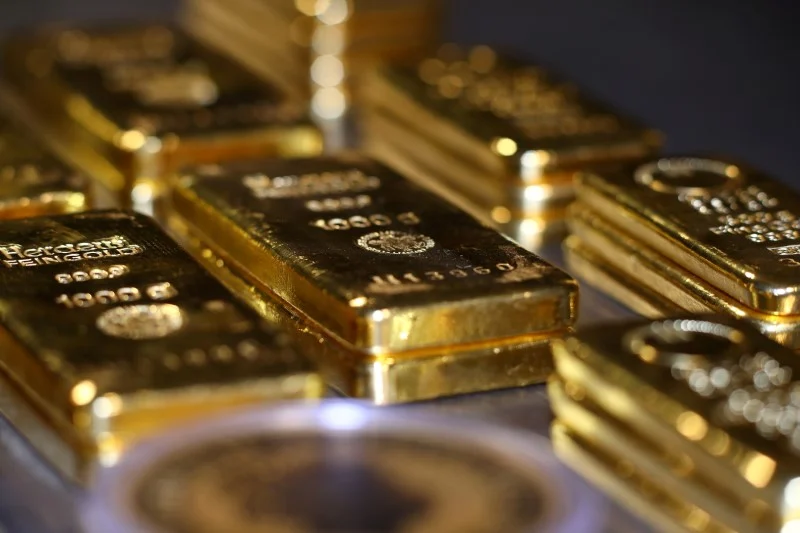
Gold prices dropped sharply on Thursday, retreating from a two-week high reached during the previous session.
Rising oil prices renewed inflation concerns and increased speculation that the Federal Reserve could keep monetary policy restrictive for longer. These expectations outweighed the safe-haven demand created by escalating geopolitical tensions.
Gold Drops Nearly 2% After Recent Rally
At 09:44 ET, spot gold was down 1.7% at $4,060.96 per ounce.
Meanwhile, U.S. gold futures declined 2.4% to $4,051.72 per ounce.
The pullback came after bullion gained approximately 3% over the previous two trading sessions. Investors appeared to take profits after the metal reached its highest level in two weeks.
U.S.-Iran Tensions Continue to Escalate
The United States and Iran showed few signs of returning to diplomatic negotiations as military tensions intensified.
At the same time, Yemen’s Iran-backed Houthi movement claimed responsibility for attacks on tankers travelling through the Red Sea.
The incidents raised new concerns about possible disruptions to crude oil shipments from the Gulf and the wider Middle East.
Although geopolitical uncertainty normally supports gold, investors focused more heavily on the potential inflationary consequences of higher energy prices.
Brent Crude Climbs Above $100
Brent crude rose above $100 per barrel for the first time since late May.
The rally followed reported Houthi attacks on two Saudi oil tankers. The development increased fears that supply disruptions could spread beyond the Strait of Hormuz.
Higher oil prices can lift transportation, manufacturing and household costs. As a result, a prolonged energy rally could slow the decline in inflation.
That possibility has strengthened expectations that U.S. interest rates may remain elevated.
Fed Rate Expectations Pressure Gold
Markets continue to debate whether the Federal Reserve could raise borrowing costs again this year to contain renewed inflation pressure.
Higher interest rates are generally negative for gold because the metal does not pay interest or dividends.
When bond yields rise, interest-bearing assets can become more attractive than bullion. A stronger U.S. dollar can also make gold more expensive for buyers using other currencies.
These factors contributed to Thursday’s decline despite the worsening geopolitical environment.
Gold Holds Above the $4,000 Level
Gold remained above the psychologically important $4,000-per-ounce level despite the latest sell-off.
The metal had previously fallen sharply from its record high in January. Traders are now watching whether gold can regain enough momentum to challenge resistance near $4,200.
A sustained move above that level could strengthen bullish sentiment. However, continued dollar strength may make such a breakout more difficult.
Analysts Watch Support Near $4,080
Trade Nation senior market analyst David Morrison said the decline could represent a temporary period of profit-taking.
He identified mild support near $4,080 and suggested that a rebound could develop if gold stabilizes around that region.
However, Morrison noted that gold would need to break convincingly above $4,200 to attract stronger buying interest.
He also warned that a firm U.S. dollar remains a major obstacle for the precious metal.
Investors Continue Rebuilding Gold Positions
Despite the threat of prolonged high interest rates, ANZ analysts said investors have continued increasing their exposure to gold.
The bank noted that non-commercial net long positions had reached their highest level since January.
Gold-backed exchange-traded funds have also recorded renewed inflows.
These trends suggest that recent price weakness has attracted buyers rather than causing widespread selling.
Gold Remains a Hedge Against Equity Market Risks
Some investors are using gold to protect their portfolios against expensive stock-market valuations and growing geopolitical uncertainty.
This demand could provide longer-term support even as higher interest rates create short-term pressure.
For now, gold’s next move may depend on oil prices, Federal Reserve expectations, the U.S. dollar and developments in the conflict involving the United States and Iran.