Fed Chairman Warsh Says AI Price Surge May Not Fuel Inflation
Federal Reserve Chairman Kevin Warsh said the artificial intelligence investment boom is pushing some prices higher. However, he does not believe these increases will necessarily lead to sustained inflation.
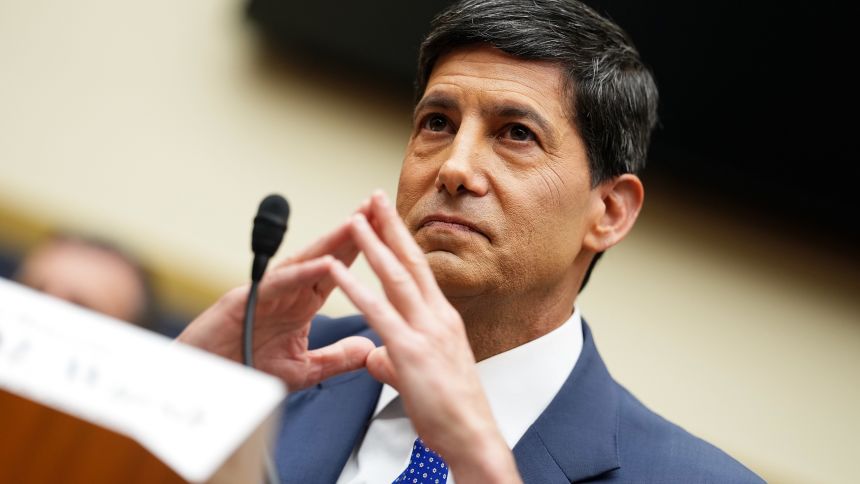
Speaking before the Senate Banking Committee, Warsh explained that the Federal Reserve will closely examine whether AI-related price pressures spread throughout the broader economy.
One-Time Price Increases Are Not Always Inflationary
Warsh distinguished between a temporary rise in prices and persistent inflation. He noted that stronger demand for AI equipment and infrastructure could encourage companies to expand supply.
This supply response could eventually ease price pressures. According to Warsh, that makes the AI investment boom different from events such as international conflicts, which can restrict production and reduce economic supply.
Prices could continue rising over the next 12 months. Nevertheless, Warsh said the Federal Reserve’s response will help determine whether these increases develop into lasting inflation.
AI Could Create Jobs but Also Disrupt Employment
Warsh expects artificial intelligence to support job creation over both the short and long term. However, he acknowledged that the transition could disrupt parts of the labor market during the medium term.
The Fed chairman said he could not guarantee that workers would avoid short-term disruption. Certain industries and occupations may face significant changes as businesses increase their use of AI technology.
Productivity Gains Could Support Higher Wages
Warsh described recent wage growth as reasonable. However, he said it remains difficult to predict when productivity improvements from artificial intelligence will produce stronger wage increases.
Greater productivity can allow businesses to produce more goods and services at a lower cost. Over time, these gains could support economic growth, higher wages, and increased employment without generating excessive inflation.
AI Investment Is Contributing to Economic Growth
Warsh confirmed that AI-related price increases are real. At the same time, he highlighted the positive contribution of business investment to gross domestic product.
Companies are spending heavily on data centres, computer chips, software, energy infrastructure, and other AI-related projects. Warsh expects this capital investment trend to continue supporting the U.S. economy.
The Federal Reserve will now monitor whether expanding supply and productivity can offset AI-related price pressures. Its assessment could play an important role in future interest-rate decisions and the wider inflation outlook.