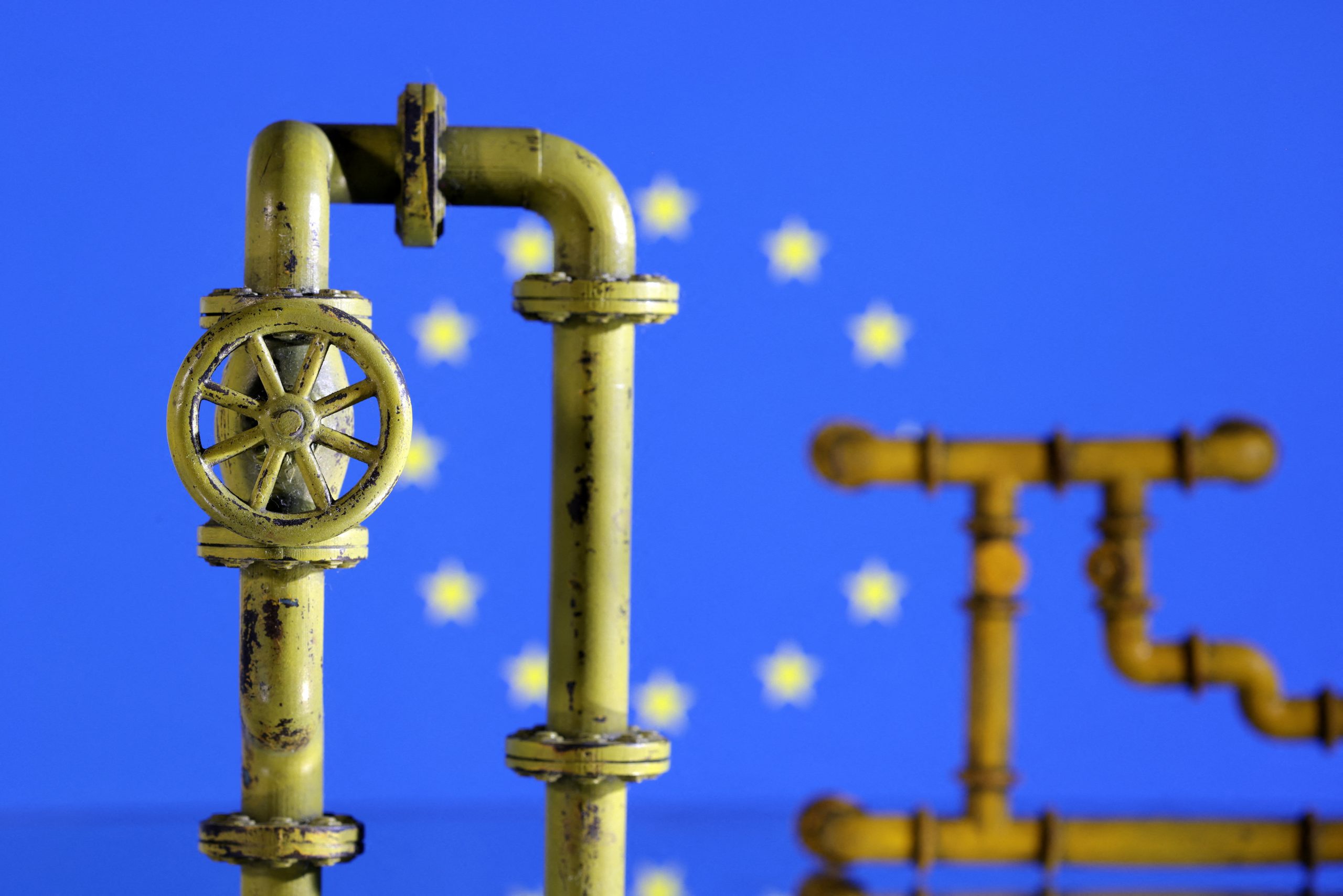
European natural gas prices moved higher on Monday as uncertainty around the Strait of Hormuz overshadowed signs of diplomatic progress.
The latest move highlights Europe’s continued exposure to global energy supply disruptions and its dependence on stable liquefied natural gas flows.
European Gas Prices Rebound
Benchmark Dutch front-month natural gas futures rose 2.9% to around €56.90 per megawatt-hour.
British wholesale gas contracts also advanced, climbing 2.6% to approximately 139.50 pence per therm.
The rebound helped recover part of the losses recorded during the previous week.
Strait of Hormuz Talks Remain Uncertain
Gas prices rose after reports suggested that Iran and Oman were close to finalizing a draft agreement covering new shipping routes through the Strait of Hormuz.
However, Iran indicated that the strategic waterway would only fully reopen if additional conditions involving the United States were met.
That uncertainty reduced hopes for a rapid return to normal shipping activity through one of the world’s most important energy transit routes.
LNG Supply Risks Remain Elevated
The unresolved negotiations mean that a full recovery in Persian Gulf liquefied natural gas traffic remains uncertain.
This continues to place pressure on already tight global LNG supply conditions.
Shipping delays are also affecting summer deliveries from major Middle Eastern exporters, including Qatar.
For Europe, those disruptions are particularly important because the region is trying to increase gas inventories before the winter heating season.
European Gas Storage Remains Below Normal
European Union gas storage facilities entered the middle of August at roughly 56% capacity.
That level remains well below historical averages for this time of year.
Lower storage levels increase the importance of steady LNG imports during the coming months.
Any further disruption to global supplies could make it more difficult for European countries to build adequate reserves before winter.
Hot Weather Adds to Gas Demand
Unusually warm summer conditions across southern Europe have also contributed to slower storage injections.
Higher temperatures have increased air-conditioning demand, pushing electricity consumption higher.
As a result, power producers have been forced to burn more natural gas for electricity generation instead of directing those supplies into underground storage facilities.
Europe Faces Competition for LNG Cargoes
European utilities are also competing directly with Asian buyers for available spot LNG cargoes.
This competition could keep European natural gas prices supported even if geopolitical tensions ease slightly.
Energy analysts expect the market to remain highly sensitive to developments in the Persian Gulf.
Any renewed friction in negotiations over the Strait of Hormuz could quickly increase concerns about LNG availability and push European gas prices higher again.