Eurozone Bond Yields Rise as Middle East Tensions Fuel Inflation Fears
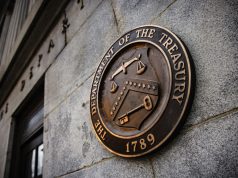
U.S. Treasury yields and Eurozone government bond yields moved higher on Monday as investors remained concerned about energy prices and persistent inflation.
A fragile truce between the United States and Iran failed to remove fears surrounding oil supplies. Bond traders are also preparing for important economic data and central bank speeches later this week.
US Treasury Yields Move Higher
The yield on the benchmark 10-year U.S. Treasury note rose to 4.377%. This reversed part of the decline recorded toward the end of the previous week.
The two-year Treasury yield also climbed to 4.1%.
Short-term bond yields are highly sensitive to changes in interest rate expectations. Therefore, the increase suggests that investors remain concerned about tighter Federal Reserve policy.
German Bond Yields Rebound
Eurozone bond yields also moved higher at the start of the week.
Germany’s 10-year Bund yield, which serves as the main benchmark for the Eurozone bond market, rose to 2.85%. The yield recovered after reaching its lowest level since March during the previous week.
The two-year German bond yield increased to 2.52%. Like its U.S. equivalent, the short-term German yield is closely linked to monetary policy expectations.
Strait of Hormuz Risks Push Oil Prices Higher
Bond markets came under pressure following military developments near the Strait of Hormuz over the weekend.
The United States and Iran agreed to temporarily pause their exchange of strikes ahead of technical talks in Doha on Tuesday.
However, investors remain concerned about the security of the Strait of Hormuz. The strategic shipping route plays a major role in the transportation of global oil supplies.
Any disruption could reduce energy exports and push crude oil prices sharply higher.
Higher Oil Prices Renew Inflation Concerns
Oil prices rose as markets added a renewed geopolitical risk premium.
The increase interrupted a short recovery in U.S. Treasuries late last week. That recovery had followed signs that crude oil shipments through the region were returning to normal.
A rotation away from highly valued Wall Street growth stocks had also supported demand for government bonds.
Although the immediate energy shock appears to be easing, inflation risks remain.
Strong labour markets, government spending and continued investment in artificial intelligence infrastructure could keep price pressures elevated for longer than expected.
Central Bank Policy Remains in Focus
Higher energy prices can make it more difficult for central banks to bring inflation under control.
Oil affects the cost of transportation, manufacturing, electricity and consumer goods. As a result, a sustained increase in crude prices could delay interest rate cuts or encourage policymakers to consider further rate increases.
Bond investors are therefore closely monitoring comments from the Federal Reserve and European Central Bank.
ECB Sintra Forum Takes Center Stage
Market attention is focused on the European Central Bank’s annual policy forum in Sintra, Portugal.
The event will include the first overseas public appearance by newly appointed Federal Reserve Chair Kevin Warsh since he took control of the U.S. central bank in May.
Warsh is scheduled to participate in a high-profile panel alongside ECB President Christine Lagarde and Bank of England Governor Andrew Bailey.
Their comments could influence expectations for interest rates in the United States, Eurozone and United Kingdom.
Markets Expect Additional Fed Rate Hikes
Investors are looking for confirmation of their current monetary policy forecasts.
Money markets are pricing in two interest rate increases of 25 basis points each by December. Traders expect the Federal Reserve to maintain a restrictive policy stance as consumer inflation remains above 4%.
Any hawkish comments from Warsh could push Treasury yields higher.
However, signs that the Fed is becoming more concerned about economic growth could reduce expectations for further rate increases.
US Jobs Report Could Drive Bond Yields
The next major market catalyst will be Friday’s U.S. non-farm payrolls report.
The employment data could have a significant effect on the Federal Reserve’s July policy decision.
A stronger-than-expected jobs report would suggest that the U.S. economy remains resilient. It could also strengthen expectations for another rate hike before the end of the year.
In contrast, weaker employment growth could reduce pressure on the Fed to tighten monetary policy further.
Investors Await Lagarde’s Comments
In Europe, investors will also monitor upcoming consumer confidence and business conditions data for June.
Markets are particularly focused on comments from ECB President Christine Lagarde.
Traders want to know whether Lagarde will challenge current expectations for another Eurozone interest rate increase.
Money markets are currently pricing in at least one additional 25-basis-point ECB rate hike this year. This follows the central bank’s recent decision to raise its deposit rate to 2.25%.
Eurozone Bond Market Outlook
The direction of Eurozone bond yields will depend on energy prices, inflation data and central bank guidance.
A lasting U.S.-Iran ceasefire could reduce fears of an oil supply disruption and help government bonds recover.
However, renewed conflict near the Strait of Hormuz could push oil prices and inflation expectations higher. That would likely place further upward pressure on both U.S. Treasury and Eurozone bond yields.
For now, investors remain cautious as they await economic data and policy signals from the world’s leading central banks.