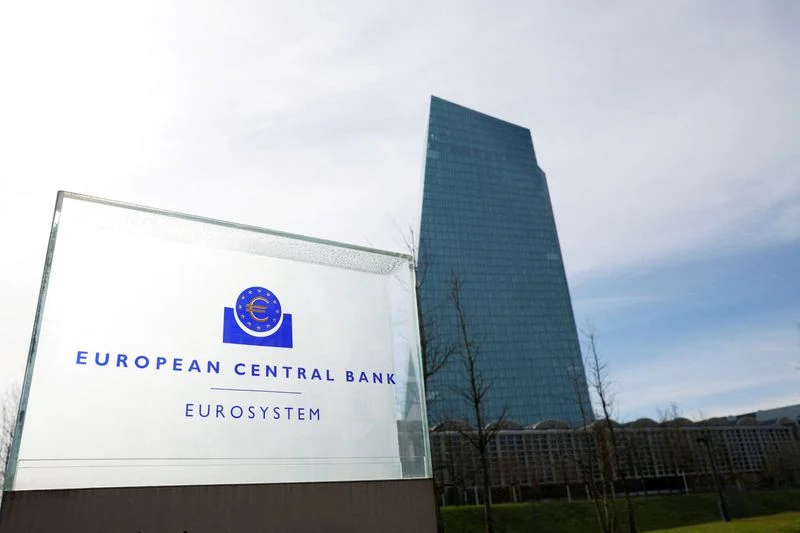
The European Central Bank should avoid rushing into another interest rate increase after oil prices fell faster than expected, according to Maltese central bank governor Alexander Demarco.
His comments add to growing calls among ECB policymakers for a more cautious approach to monetary policy.
ECB Faces Pressure to Delay Another Rate Hike
The ECB raised interest rates in June, while its economic forecasts suggested that further monetary tightening could follow.
However, energy prices have declined sharply since that decision. The drop has strengthened the argument for keeping rates unchanged at the ECB’s next meeting.
Demarco said that easing inflationary pressures give the central bank enough time to assess new economic data before taking further action.
Falling Oil Prices Could Ease Inflation
Lower energy costs are expected to reduce inflation expectations and limit pressure for large wage increases.
Demarco noted that real wages are still growing, even though eurozone inflation has risen above 3%. That remains well above the ECB’s official target of 2%.
However, the recent decline in oil prices could help reduce future inflation and weaken the case for an immediate rate hike.
More ECB Policymakers Call for Patience
Demarco’s position reflects a broader shift among ECB officials.
Several policymakers have publicly and privately argued that the central bank should wait before raising interest rates again.
The main reason for acting quickly would be evidence that inflation is spreading more deeply across the economy.
This could include stronger second-round inflation effects, rising wage demands, or signs that inflation expectations are becoming unanchored.
Demarco said none of these risks are currently visible.
Another Rate Hike Could Hurt Economic Growth
With oil prices returning close to levels seen before the recent geopolitical conflict, Demarco believes the ECB can afford to wait for its next economic projections.
He warned that another rapid interest rate increase could unnecessarily weaken economic growth.
Waiting for additional data would allow policymakers to judge whether inflation is still persistent enough to justify further tightening.
Markets Still Expect Further ECB Tightening
Financial markets currently estimate roughly a one-in-three chance of an ECB rate hike in July.
However, traders have fully priced in another rate increase by October.
Although lower oil prices have reduced immediate pressure on the ECB, many policymakers still believe that inflation remains too high.
Persistent price pressures in services, wages, and other parts of the economy may still require tighter monetary policy later in the year.
ECB Rate Hike Still Possible Later
Demarco acknowledged that another increase may eventually be necessary.
He noted that even the ECB’s less severe economic scenario included additional monetary tightening.
Therefore, another rate hike could remain appropriate if the bank’s inflation forecasts and economic outlook are confirmed.
For now, however, Demarco believes the ECB should remain patient rather than risk damaging growth with a premature decision.