ECB Rate Hike Expectations Increase as Iran Conflict Raises Inflation Risks
The European Central Bank (ECB) appears increasingly open to raising interest rates next month as geopolitical tensions involving Iran continue to increase inflation concerns across Europe.
According to comments reported by Bloomberg, ECB Governing Council member Martin Kocher said inflation this year could exceed earlier expectations due to higher energy costs linked to the conflict in the Middle East. Rising prices are adding pressure on households and businesses throughout the eurozone.
ECB Considering Holding Rates or Increasing Them
Speaking during a meeting of European finance ministers in Cyprus, Kocher indicated policymakers are currently weighing two primary options for the upcoming ECB meeting: maintaining current interest rates or implementing another hike.
He suggested that, based on current conditions, those remain the most likely policy outcomes.
The ECB’s next monetary policy meeting is scheduled for June 10–11, when officials will also review updated forecasts for inflation and economic growth.
These projections could play a major role in determining whether borrowing costs rise further.
Iran Conflict and Energy Prices Shift ECB Outlook
Financial markets have recently adjusted expectations for European interest rates following a surge in oil prices linked to the conflict involving Iran and the United States.
Disruptions affecting shipping routes through the Strait of Hormuz, one of the world’s most important energy corridors, have increased concerns over fuel costs and broader inflation pressures.
Higher energy prices often translate into increased transportation costs, potentially pushing inflation higher across multiple sectors of the economy.
Inflation Risks Return After Reaching ECB Target
Before geopolitical tensions intensified, eurozone inflation had largely returned to the ECB’s 2% target.
However, policymakers are now evaluating whether rising energy prices could create more persistent inflation and shift longer-term expectations upward.
Central banks closely monitor inflation expectations because sustained increases may require tighter monetary policy for longer periods.
Uncertainty Remains Despite Iran Peace Deal Hopes
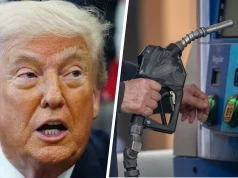
Although President Donald Trump recently stated that a peace agreement with Iran had been largely negotiated, details surrounding any potential deal remain unclear.
As a result, uncertainty surrounding energy markets and inflation remains elevated.
Kocher avoided giving guidance beyond the next ECB meeting, highlighting the unpredictable nature of current geopolitical developments.
Eurozone Economy Shows Resilience Despite Pressures
Despite geopolitical tensions and weaker-than-expected first-quarter growth, recent economic data suggest the eurozone economy has remained relatively resilient.
This resilience could provide the ECB with greater flexibility if policymakers decide that higher rates are necessary to contain renewed inflation pressures.
Investors will likely focus closely on upcoming ECB forecasts, as they may determine the direction of European monetary policy over the coming months.