ECB June Rate Hike Appears More Likely as Energy Shock Raises Inflation Risks
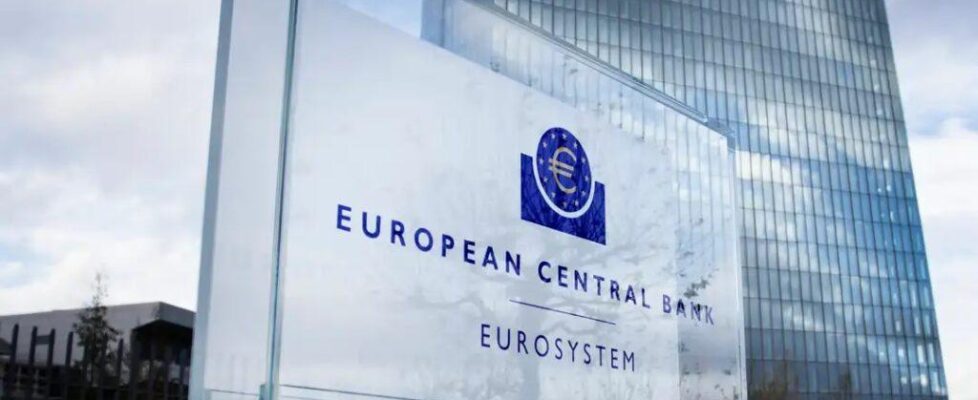
The European Central Bank (ECB) may need to raise interest rates in June even if ongoing negotiations between the United States and Iran eventually result in a peace agreement, according to ECB board member Isabel Schnabel.
Schnabel warned that persistent energy price shocks are increasingly spreading through the broader economy, making further delays in monetary policy action difficult to justify. Based on current conditions, she suggested that an interest rate increase in June could become necessary.
Rising Energy Costs Increase Pressure on the ECB
The ECB has maintained interest rates at current levels over the past year. However, policymakers have recently reopened discussions around tightening policy after surging energy costs pushed inflation to around 3%, well above the central bank’s 2% target.
Several ECB officials have since signaled that additional action may be required if inflation continues to accelerate.
Schnabel, who is viewed by some as a possible successor to Christine Lagarde after her term ends in 2027, indicated that the economic effects of rising energy prices may already have reached a point where ignoring them is no longer realistic.
Energy Shock Could Have Lasting Economic Consequences
According to Schnabel, even if geopolitical tensions ease quickly, the damage to global energy infrastructure and supply chains has already been significant.
She added that current inflation pressures appear more persistent than previous ECB scenarios anticipated, especially those based on assumptions that oil prices would normalize rapidly.
This raises concerns that elevated energy costs could continue spreading into wider categories of goods and services, creating a longer-lasting inflation cycle.
Evidence Suggests Inflation Is Expanding Beyond Energy Markets
Schnabel stated that signs of secondary inflation effects are becoming increasingly visible.
Data from the ECB Consumer Expectations Survey, Purchasing Managers’ Index (PMI) reports, and European Commission sentiment indicators suggest that higher costs are beginning to affect broader consumer spending patterns and other sectors of the economy.
These developments are closely monitored because they can make inflation more difficult to reverse over time.
Additional ECB Rate Hikes May Be Needed After June
Looking beyond the next policy meeting, Schnabel emphasized that the ECB should avoid committing to a fixed path for interest rates and instead reassess conditions at each meeting based on new economic data.
However, she acknowledged that the ECB’s own projections already include two future rate increases, suggesting that a single hike may not be enough to contain inflation risks.
Financial markets have largely priced in two additional increases to the ECB’s deposit rate, with investors also assigning roughly a 50% probability to a third hike over the next year.
Slower Economic Growth Complicates Policy Decisions
While inflation remains a major concern, weaker economic growth limits how aggressively the ECB can tighten monetary policy.
The European Commission recently forecast eurozone GDP growth of 0.9% for 2026, representing a significant slowdown. Schnabel indicated these projections may still prove too optimistic if energy-related disruptions persist.
Falling consumer confidence and weaker sentiment indicators could increase downside risks for growth while simultaneously keeping inflation pressures elevated.
Financial Markets Continue to Absorb Uncertainty Calmly
Schnabel, who oversees the ECB’s market operations, said recent increases in eurozone government bond yields do not currently signal disorderly market conditions.
According to her assessment, higher bond yields mainly reflect rising inflation expectations and growing uncertainty around future price trends rather than broader financial instability.
The comments reinforce growing concerns within the ECB that prolonged energy shocks could force policymakers toward additional interest rate hikes despite slowing economic activity.