China Trade Surplus Jumps in May as Exports Beat Expectations
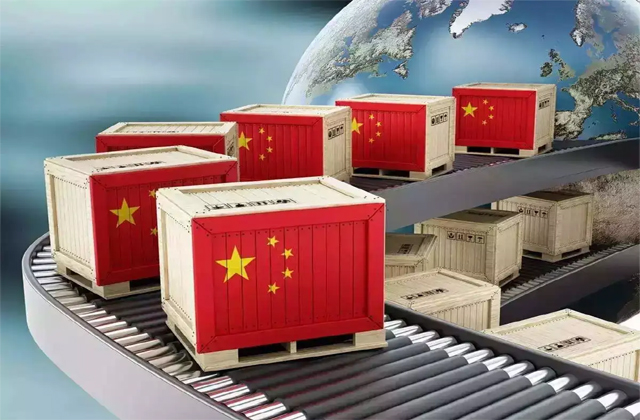
China’s trade surplus expanded significantly in May, exceeding market forecasts as strong export growth continued to support the world’s second-largest economy despite ongoing geopolitical tensions in the Middle East.
New customs data released on Tuesday showed that resilient overseas demand and rising imports linked to artificial intelligence and semiconductor investments helped drive a stronger-than-expected trade performance.
Trade Surplus Surpasses Forecasts
China recorded a trade surplus of $105.43 billion in May, well above analyst expectations of $88.70 billion.
The latest figure also represented a substantial increase from April’s surplus of $84.80 billion, highlighting the strength of China’s export sector.
The data reinforces the country’s continued reliance on international trade as a key engine of economic growth.
Exports Deliver Strong Upside Surprise
Exports were the primary contributor to the larger trade surplus.
Chinese exports surged 19.4% year-over-year in May, significantly outperforming expectations for a 15% increase.
Part of the strong growth reflected a weaker comparison base from the previous year, when trade activity was affected by tensions between the United States and China.
Analysts also noted that many overseas buyers accelerated purchases amid uncertainty surrounding the ongoing Gulf conflict and concerns about potential disruptions to global supply chains and energy markets.
Export Risks Remain on the Horizon
While export growth remained robust, some economists caution that the recent surge could be partly driven by front-loaded demand.
Companies seeking to secure inventory before potential disruptions may have boosted short-term orders, creating the possibility of weaker export growth in the coming months.
The ongoing conflict in the Middle East continues to present risks to global trade and economic activity. Despite repeated statements from U.S. officials suggesting a resolution could be near, the conflict has persisted for several months with limited signs of a lasting settlement.
Strong Import Growth Reflects Domestic Demand
China’s imports also exceeded expectations in May, reflecting resilient domestic demand and continued investment in strategic industries.
Imports increased 27.4% year-over-year, surpassing forecasts for a 25% rise.
Much of the growth was driven by strong purchases of semiconductors, technology components, and equipment linked to artificial intelligence infrastructure development.
The figures suggest that China continues to invest heavily in expanding its technological capabilities and strengthening its domestic semiconductor industry.
AI and Semiconductor Demand Supports Imports
The strong import figures were broadly anticipated after South Korea, a major supplier of semiconductors and AI-related products to China, reported a sharp increase in exports during May.
Growing demand for advanced chips and AI infrastructure remains a key driver of trade activity between the two countries.
As China accelerates efforts to develop artificial intelligence technologies and strengthen domestic chip production, demand for high-end semiconductor imports continues to rise.
China’s Export-Led Growth Model Remains Intact
Tuesday’s trade data highlights China’s continued reliance on exports to support economic growth.
Strong external demand has helped offset ongoing weakness in domestic consumption and consumer spending, allowing the economy to maintain momentum despite challenges in the local market.
While questions remain about the sustainability of export growth amid geopolitical uncertainty, China’s trade sector continues to play a crucial role in supporting overall economic performance.
Outlook
Investors will be watching closely to see whether export momentum can be maintained in the coming months, particularly if Middle East tensions persist and global economic growth slows.
For now, stronger-than-expected exports and imports suggest that both international demand and strategic domestic investment remain important pillars of China’s economic resilience.