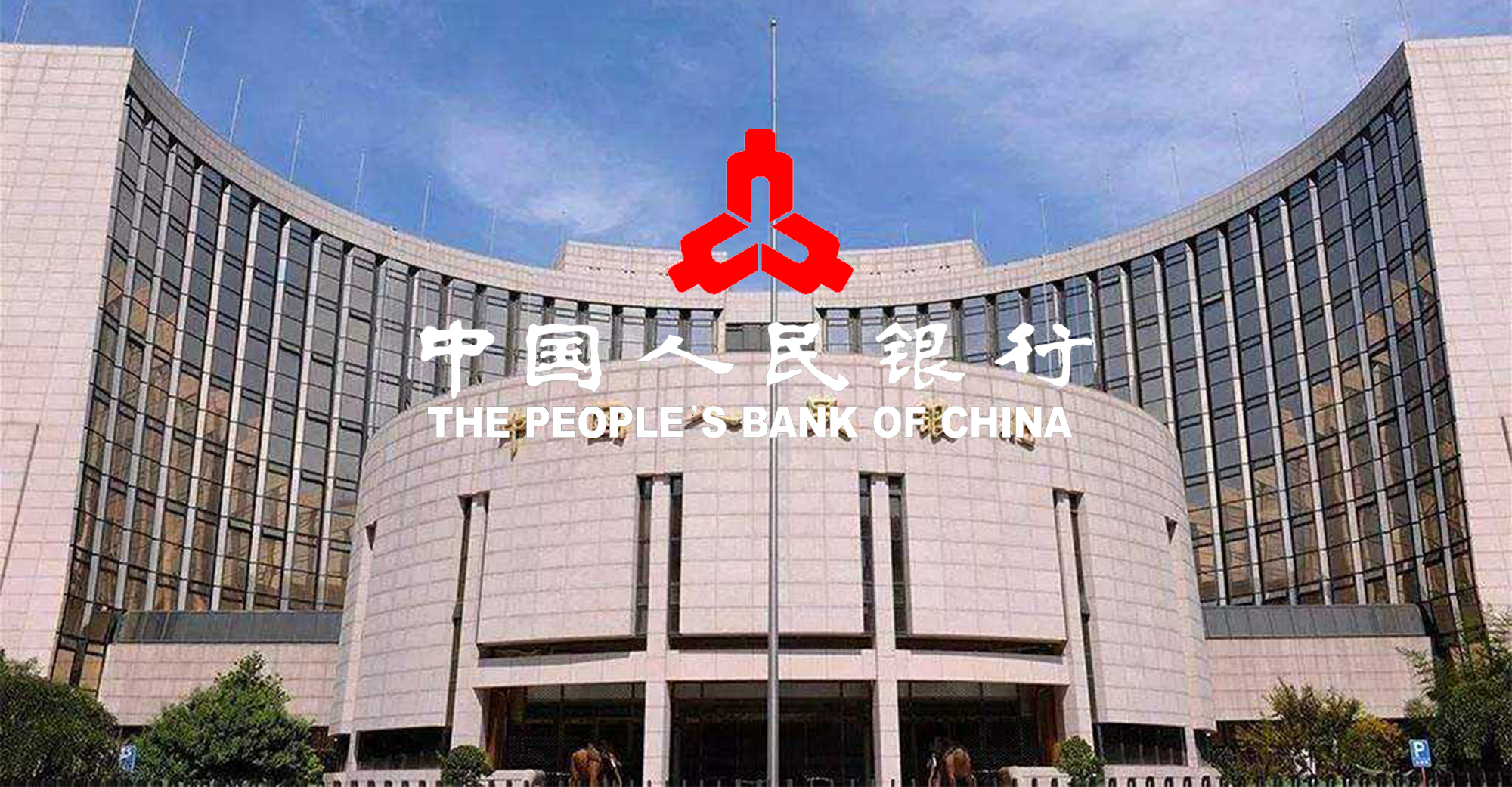
China is expected to keep its benchmark lending rates unchanged in July, extending its current pause for a 14th consecutive month.
The decision is widely anticipated despite weaker-than-expected economic growth during the second quarter and continued pressure on domestic demand.
China Loan Prime Rates Expected to Stay Steady
According to a Reuters survey of 23 market participants, all respondents expect the one-year and five-year loan prime rates to remain unchanged at the next review.
The one-year loan prime rate, or LPR, is expected to stay at 3.00%. Meanwhile, the five-year LPR is forecast to remain at 3.50%.
The next rate-setting decision is scheduled for Monday.
China’s loan prime rates are calculated each month after 20 designated commercial banks submit their proposed lending rates to the People’s Bank of China.
The LPR is generally offered to banks’ most creditworthy customers and serves as an important reference for business loans, mortgages and other forms of borrowing.
Uneven Economic Growth Continues
Expectations for steady lending rates come as China’s economy continues to show a clear divide between stronger export activity and weaker domestic demand.
Exports and manufacturing have remained important drivers of economic growth. However, consumer spending and other areas of domestic activity continue to struggle.
This uneven recovery is often described as K-shaped growth, in which some parts of the economy expand while others fall behind.
China’s Economy Slows in the Second Quarter
China’s economy grew at its slowest pace in more than three years during the second quarter.
The result came in below market forecasts and raised fresh concerns about the sustainability of the country’s economic recovery.
Strong manufacturing output and export growth helped support the economy. However, weak household consumption continued to weigh on overall activity.
The slowdown has increased pressure on policymakers to provide additional support.
Broad Monetary Easing Still Seen as Unlikely
Despite weaker economic data, traders and analysts do not believe the current slowdown is severe enough to trigger large-scale monetary easing.
Many economists expect Chinese authorities to focus on implementing existing fiscal measures more quickly rather than introducing aggressive interest rate cuts.
Goldman Sachs China economist Xinquan Chen said the disappointing second-quarter growth figures had slightly increased the likelihood of further monetary support.
However, interest rate cuts and reductions in the reserve requirement ratio are still not part of Goldman Sachs’ central forecast for this year.
Chen added that faster fiscal policy implementation remains the most likely response.
He also expects the People’s Bank of China to maintain sufficient liquidity across the interbank market.
Attention Turns to Politburo Meeting
Investors are now focusing on the upcoming Politburo meeting.
Chinese policymakers are expected to use the meeting to outline the country’s economic priorities for the second half of the year.
Markets will closely watch for signals related to fiscal spending, property-sector support, domestic consumption and monetary policy.
Any indication of stronger stimulus could influence expectations for future interest rate decisions.
Some Analysts Still Expect a Small Rate Cut
Although most market participants expect lending rates to remain unchanged, some analysts believe the People’s Bank of China could introduce a modest rate cut.
Citi analysts said additional policy measures could support a gradual economic recovery in the coming months.
They forecast that the central bank may cut rates by 10 basis points, potentially as early as July.
Citi also expects authorities to accelerate the rollout of fiscal support measures.
China Faces Difficult Policy Balance
Chinese policymakers must balance the need to support domestic growth with concerns about financial stability, bank profitability and excessive debt.
Cutting interest rates could help reduce borrowing costs and encourage investment. However, lower rates may also place additional pressure on commercial banks’ profit margins.
For now, the market expects China to keep its benchmark lending rates steady while relying on fiscal measures and targeted support to strengthen the economy.